
Zayan Rauf

Himalayan Salt Bricks Uses

Can You Use Salt On Brick Pavers

Can You Use Salt on Brick Pavers? Everything You Need to Know Brick pavers give outdoor spaces a warm, timeless look. Whether they’re used in driveways, walkways, or patios, they add beauty and durability to your home. But when winter comes and icy conditions arrive, many people wonder; can you use salt on brick pavers to melt ice? The answer isn’t a simple yes or no. While salt can melt ice quickly, it can also cause damage to pavers over time if you use the wrong type or apply it incorrectly. In this guide, we’ll break down everything you need to know, including the best salt for pavers, how to use it safely, and what alternatives might work better. Table of Contents Why People Use Salt on Brick Pavers In winter, icy pavers can be dangerous slippery surfaces increase the risk of falls. Salt is one of the most common ways to melt ice because: It works fast, even in low temperatures. It’s affordable and easy to find. It’s simple to apply. However, before grabbing any salt bag, you need to understand that not all salts are paver-friendly. Using the wrong salt can cause surface discoloration, cracks, or erosion especially if your pavers are made of more porous materials. Read About: How Rock Salt Makes Ice Colder Does Salt Damage Block Paving? The big question many homeowners ask is: does salt damage block paving? The short answer: Yes, it can if not used carefully. Salt can: Absorb moisture and create a freeze-thaw cycle, causing cracks. Leave white stains (salt residue or efflorescence) that look unattractive. Weaken the paver surface over repeated winters. That’s why experts recommend choosing the best salt for pavers, a type that melts ice without harming the surface. Check now Ice Melt Salt Manufacturers Best Salt for Pavers — Choosing the Right Type When selecting salt for brick pavers, it’s important to know that there are different kinds of salts, and they don’t all work the same way. Here’s a quick table to help you decide: Type of Salt Melting Efficiency Potential Damage to Pavers Best Use Case Sodium Chloride (Rock Salt) Works well above -7°C Can stain and erode brick over time Short-term, occasional use Calcium Chloride Works in very low temps (-25°C) Gentler on pavers, but can leave oily residue Extreme cold conditions Magnesium Chloride Works to -15°C Safer for pavers and plants Regular winter use Potassium Chloride Works above -6°C Minimal paver damage Eco-friendly choice Sand (non-salt option) No melting, just traction No damage Areas where chemical use is risky Pro Tip: Sobaan Salts offers high-quality de-icing salts that are less harsh on surfaces, making them a safer choice for protecting your pavers during winter. Is Salt Bad for Pavers? The Honest Truth Many homeowners ask, is salt bad for pavers? The truth is: salt itself isn’t evil, it’s the type, amount, and frequency of use that matter. Think of it like sugar in your diet: a little is fine, too much becomes harmful. If you use salt sparingly and choose the right kind, your pavers will stay beautiful for years. But dumping large amounts of sodium chloride every week in winter will speed up wear and tear. How to Use Salt for Brick Pavers Safely If you decide to use salt for pavers, follow these steps to reduce damage: Clear snow first – Salt works best on thin ice, not thick snow piles. Shovel before applying. Apply evenly – Avoid dumping large heaps in one spot. Choose the right salt – Prefer calcium chloride or magnesium chloride over rock salt. Rinse after winter – Once temperatures rise, wash your pavers to remove salt residue. Seal your pavers – Applying a sealant adds a protective layer against moisture and salt. Sodium Bricks and Salt — A Risky Combination Some people refer to pavers as “sodium bricks” because of the way salt interacts with them. If your brick pavers are porous, salt crystals can work their way inside and expand when frozen, causing chipping and cracking. This is why magnesium chloride and potassium chloride are generally recommended; they are less aggressive. Read More: Himalayan Salt Brick Uses Alternatives to Salt for Brick Pavers If you’re still unsure about using salt on brick pavers, here are some alternatives: Sand – Great for traction without causing damage. Kitty litter – Non-clumping types work well for grip. Heated mats – Keep walkways ice-free without chemicals. Eco-friendly de-icers – Plant-safe blends available from suppliers like Sobaan Salts. These options may cost more or require extra effort, but they completely remove the risk of salt damage. Does Salt Damage All Types of Pavers? Not all pavers are created equal. Concrete pavers tend to absorb more moisture than clay bricks, making them more vulnerable to salt damage. Natural stone pavers vary depending on the type of stone granite is more resistant, while limestone is more porous. Before applying any salt for pavers, check the manufacturer’s recommendations or ask an expert. Maintenance Tips After Using Salt on Pavers If you’ve used salt for brick pavers this winter, here’s how to keep them in great shape: Sweep regularly – Remove leftover salt and debris. Rinse thoroughly – Use a garden hose to wash away salt residue. Repair small cracks quickly – Prevent water from getting inside. Re-seal every 2–3 years – Keep the protective barrier strong. Final Thoughts — Can You Use Salt on Brick Pavers? That being said, can you salt brick pavers? Yes but only with caution. Salt melts ice & snow easily but if the wrong type is used or not applied correctly this can lead to extended issues of surface erosion, staination and damage jointing. Opt instead for one of the salt pavers, opting from wood chloride and potassium chloride, rather than traditional rock salt, which can cause block paving to deteriorate and damage sodium bricks. As always only sub salt lightly and spread evenly and follow up with a good washing of your pavers after winter ends.

Can You Use Salt On Brick Pavers Read More »

Does Himalayan Pink Salt Have Iodine - Sobaan Salts

Does Himalayan Pink Salt Have Iodine

Does Himalayan Pink Salt Have Iodine? Everything You Need to Know Himalayan pink salt has taken the culinary and health world by storm. It stands out from common table salt in that it is a beautiful pink color, has mineral content, and carries a reputation as “healthier salt.” However, the question on many people’s minds is, does Himalayan pink salt contain iodine? If you want to make sure it does all the above for thyroid health, energy, your metabolism or if you care about preventing iodine deficiency then this is an important question. We discuss it below in plain English. If Himalayan salt is iodized at all, have a concerning amount of iodine to start with, and how this affects your health. Read More: Health Benefits Of Himalayan Pink Salt Table of Contents Why Iodine Matters for Your Health Iodine is a trace mineral your body needs only a small amount, but it plays a big role in keeping you healthy.Your thyroid gland uses iodine to make thyroid hormones (T3 and T4). These hormones control: Metabolism — how your body burns calories Growth and development — especially important for children Energy levels — how active and alert you feel Brain function — supports focus and mood Without enough iodine, your thyroid can’t work properly. This may lead to: Goiter — a swelling in the neck from an enlarged thyroid Hypothyroidism — low thyroid activity, which can cause tiredness, weight gain, and depression Development problems in children — if mothers don’t get enough iodine during pregnancy Daily Iodine Requirement: Adults: 150 micrograms (mcg) Pregnant women: 220 mcg Breastfeeding women: 290 mcg What is Himalayan Pink Salt? Himalayan pink salt is a type of rock salt that comes from the Khewra Salt Mine in Pakistan, one of the oldest and largest salt mines in the world. It gets its pink color from trace minerals such as: Iron — gives it the pinkish-orange tint Potassium — supports heart and muscle function Magnesium — helps with muscle relaxation and nerve health Calcium — good for bones and teeth These minerals make up only about 2–4% of the salt, while the rest is still sodium chloride (just like table salt). Does Himalayan Pink Salt Contain Iodine? The short answer: Yes, but very little. Himalayan pink salt naturally contains trace amounts of iodine, but not nearly enough to meet your daily needs.On average, it contains less than 0.1 mg (100 mcg) of iodine per kilogram of salt far lower than what your thyroid needs daily. For example: 1 gram of Himalayan salt = roughly 0.1 mcg iodine Daily need for an adult = 150 mcg iodine That means you’d have to eat over 1.5 kilograms of pink salt a day to meet your iodine requirement which is impossible and unsafe because of the sodium overload. Himalayan Pink Salt vs. Iodized Salt Most regular table salt is iodized, meaning iodine is added to prevent iodine deficiency in the population. This public health measure began in the 1920s and helped reduce goiter cases worldwide. Here’s a quick comparison: Feature Himalayan Pink Salt Iodized Table Salt Iodine content Very low (natural trace) High (added iodine) Processing Minimal, unrefined Refined, iodine and anti-caking agents added Taste Mild, slightly earthy Strong, plain salty taste Color Pink to dark rose White Health focus Trace minerals, natural appeal Thyroid health via iodine Conclusion: If iodine intake is your priority, iodized salt is the better choice. Benefits of Himalayan Pink Salt Even though it’s not an iodine powerhouse, Himalayan pink salt has some attractive features: Contains over 84 trace minerals (in tiny amounts) Less processed compared to refined table salt Attractive appearance — makes food look gourmet Mild flavor — enhances dishes without overpowering them Used in spa treatments and salt lamps for relaxation (though scientific proof is limited) Read about: Himalayan Spa Body Roller Drawbacks of Himalayan Pink Salt Very low iodine content — not enough for thyroid needs More expensive than regular salt Overhyped health claims — it’s still mostly sodium chloride No significant evidence it’s better than regular salt for blood pressure or hydration If You Use Pink Salt, How to Get Enough Iodine You can enjoy Himalayan pink salt and still avoid iodine deficiency by eating iodine-rich foods, such as: Seaweed — kelp, nori, wakame (very high in iodine) Fish — cod, tuna, sardines, shrimp Dairy — milk, yogurt, cheese Eggs — especially the yolk Iodized salt — you can mix small amounts with pink salt for balance Tip: You don’t have to give up Himalayan pink salt just make sure your diet includes other iodine sources. Common Myths About Himalayan Salt and Iodine “Pink salt has enough iodine to replace iodized salt” —  False. The iodine level is too low. “Natural iodine is better than added iodine” —  Not true. Your body uses both forms the same way. “Himalayan salt prevents thyroid problems” —  No, it doesn’t directly prevent them unless paired with iodine-rich foods. How to Choose the Right Salt for Your Needs For thyroid health → Include iodized salt or iodine-rich foods. For flavor and presentation → Use Himalayan pink salt. Best approach → Use both types of salt in moderation. Remember: The World Health Organization (WHO) recommends less than 5 grams (about 1 teaspoon) of salt per day to avoid high blood pressure and heart disease no matter which type you use. Final Takeaway Does Himalayan pink salt have iodine?Yes, but only in tiny, natural trace amounts not enough for your daily needs.While it’s beautiful, natural, and tasty, it’s not a reliable source of iodine for thyroid health. If you love Himalayan pink salt, enjoy it in your meals, but balance your diet with iodine-rich foods or a small amount of iodized salt. This way, you get the best of both worlds flavor, minerals, and essential thyroid support. Choosing authentic Himalayan salt, like the one offered by Sobaan Salts, ensures you are getting an unprocessed product straight from nature. Himalayan pink salt contains <0.1 mcg

Does Himalayan Pink Salt Have Iodine Read More »

Himalayan Salt Massage Benefits and How It Works - Sobaan Salts

Himalayan Salt Massage: Benefits, How It Works & Why It’s Worth Trying

Himalayan Salt Massage: Benefits, How It Works & Why It’s Worth Trying Himalayan salt massage is quickly becoming a popular natural therapy in spas and wellness centers around the world. Using warm salt stones made from pink Himalayan salt, this therapeutic massage helps relax the body, improve skin health, and support detoxification. In this guide, you’ll discover what Himalayan salt massage is, how it works, its top benefits, and why so many people are adding it to their wellness routines. Table of Contents What Is a Himalayan Salt Massage? A Himalayan salt massage is a unique type of body therapy that uses warm, hand-carved Himalayan salt stones instead of traditional massage stones. These pink salt stones are rich in natural minerals and are believed to help relax muscles, improve circulation, and remove toxins from the body. Unlike regular massage techniques, this approach combines the healing benefits of touch therapy with the natural elements found in salt, offering a deeply soothing experience. How Salt Stones Work Their Magic on Your Body Himalayan salt stones are gently heated and then used by massage therapists to glide over the skin. The warmth from the stones helps loosen tight muscles, reduce stress, and support better blood flow. The salt naturally absorbs into the skin during the massage, which many people believe helps balance the body’s energy and improve skin tone. Some also say it helps draw out impurities and supports detoxification. You Might Also Like To Read: Himalayan Salt Detox: Benefits, Methods, and How It Works Key Benefits of Himalayan Salt Stone Massage Here are some powerful benefits of this relaxing treatment: Relieves Muscle Tension: The heat from the salt stones eases tightness and promotes deep muscle relaxation. Reduces Stress & Anxiety: Many people feel calm and emotionally balanced after the session. Supports Skin Health: The minerals in Himalayan salt can gently exfoliate and nourish the skin. Improves Sleep Quality: This massage often helps people sleep better by calming the nervous system. Boosts Detoxification: Salt is thought to help draw toxins out of the body through the skin. Who Should Try a Himalayan Salt Massage? This massage is ideal for: People with chronic stress or anxiety Those who suffer from sore muscles or body aches Individuals looking to improve their skin or circulation Anyone wanting a natural, relaxing therapy However, if you have open wounds, certain skin conditions, or severe medical issues, it’s best to talk to your doctor first. Himalayan Salt vs. Regular Massage: What’s the Difference? While a traditional massage focuses mostly on muscle relaxation through hand pressure, a Himalayan salt massage adds the benefits of heat, minerals, and energy balance. It’s a multi-sensory experience that goes beyond physical relaxation, offering emotional and skin benefits too. Read More: Himalayan Spa Body Roller At-Home vs. Professional Himalayan Salt Massage You can enjoy the benefits of salt massage at home using salt massage stones or rollers. However, a professional massage therapist has the training to apply proper pressure and techniques for maximum benefits. At-Home: Good for light relaxation or skin care. Professional: Ideal for deeper muscle therapy and total body rejuvenation. Common Myths About Salt Stone Therapy Let’s clear up a few misunderstandings: Myth: Salt massages will dry out your skin. Truth: When done right, they actually improve skin hydration. Myth: It’s only for people with health issues. Truth: Anyone can enjoy the relaxing and healing benefits. Myth: It’s just a trend. Truth: Himalayan salt therapy has roots in natural healing and is growing in popularity for good reason. Read More: Side Effects Of Pink Himalayan Salt Bath  Tips for Getting the Most Out of Your Salt Massage Drink plenty of water before and after your massage Take a warm bath before your appointment to relax muscles Avoid heavy meals beforehand Allow yourself time to rest after the session Use a salt scrub at home to keep your skin healthy between sessions Final Thoughts: Is Himalayan Salt Massage Worth It? Absolutely. A Himalayan salt massage is more than just a trend—it’s a holistic therapy that supports physical, emotional, and skin health. Whether you’re managing stress, dealing with body aches, or simply seeking a calming experience, this natural therapy is worth a try. At Sobaan Salts, we believe in the power of Himalayan salt to transform wellness routines. Discover premium-quality Himalayan salt massage stones and explore our full range of natural salt products trusted by spas, therapists, and wellness centers around the world. The global Himalayan salt market (including salt lamps, bath salts, and massage stones) reached USD 470.2 million in 2023 and is forecast to grow at a CAGR of 5.7% through 2030, with an expected value of around USD 691.7 million. (Source: Research and Markets) References: Healthlinehttps://www.healthline.com/nutrition/himalayan-salt American Massage Therapy Association (AMTA)https://www.amtamassage.org/resources/massage-therapy-benefits/ WebMDhttps://www.webmd.com/balance/features/do-salt-therapies-really-detoxify-the-body Share This Post Article By Zayan Rauf Zayan Rauf is a dedicated writer with a passion for natural wellness and Himalayan salt products. With a strong interest in holistic living and sustainable sourcing, he shares valuable knowledge on how salt-based solutions can improve everyday life. At Sobaan Salts, Zayan is committed to helping readers discover the many benefits of mineral-rich products through clear, well-researched content. our latest posts What Does Salt Do In Baking? What Is Chinen Salt? How To Use Salt For Food Preservation Benefits of Animal Salt Lick

Himalayan Salt Massage: Benefits, How It Works & Why It’s Worth Trying Read More »

Can Himalayan Salt Help You Lose Weight

Himalayan Salt Weight Loss Does It Really Work?

Himalayan Salt Weight Loss Does It Really Work? Many people have only encountered salt as the white crystals that are sprinkled over food. Salt, however, comes in different varieties. One that has garnered global interest is Himalayan salt, the pink crystal that is located in the depths of Pakistani mountains. Besides its distinctive taste and stunning appearance, Himalayan salt is popular for the minerals that it contains and its potential health advantages.   This blog will examine how Himalayan salt might help in weight management not as an overnight miracle, but as an aid in achieving a well-balanced lifestyle. As always, the information presented here will be straight forward and comprehensible so that you can appreciate its potential benefits. Table of Contents What Makes Himalayan Salt Different? Himalayan salt is mined from the Khewra Salt Mine in Punjab, Pakistan, which is one of the oldest and largest salt mines in the world. Unlike refined table salt, Himalayan salt is less processed and contains over 84 trace minerals, including magnesium, potassium, calcium, and iron, the last one being responsible for its natural pink color. These minerals are present in tiny amounts, so while Himalayan salt won’t replace your multivitamins, they may give your body a small boost compared to regular salt. Read More: What Are The 84 Minerals In Himalayan Pink Salt? Can Himalayan Salt Help with Weight Loss? You may be thinking what does Himalayan salt have to do with weight control? It is assumed that losing weight is effective with low salt diets. Himalayan salt certainly doesn’t burn fat. However, it does aid indirectly with weight management through some of the following ways:  1. Supporting Hydration Staying properly hydrated is very important, especially in hydration, weight management, and control. When dehydrated, one may tend to eat more, which is counterproductive and can lead to gaining weight.   Moderate use of Himalayan salt does allow the body to maintain the right balance of hydration in the body. It is not uncommon to see individuals consume sole water, water merged with a bit of Himalayan salt, to aid hydration and maintain electrolyte balance.  You Might Like: How to Use Pink Himalayan Salt for Daily Hydration  2. Better Digestion Stimulating the production of several important digestive enzymes and stomach acid can be aided with the help of Himalayan salt. Better digestion on the other hand improves the efficacy of nutrition and gets rid of a bloated feeling which is quite refreshing. 3. Electrolyte balance post workout Working out leads to losing critical electrolytes especially with the aid of sweating. With the aid of Himalayan salt, these important electrolytes can be regained easily, especially with muscle cramps and fatigue. Re-Energizing burns more calories in an effective way. Read About: The Surprising Health Benefits of Drinking Himalayan Salt Water The Role of Sodium in Weight Management Sodium often gets a bad reputation, but it is an essential mineral for nerve function, muscle contraction, and hydration. The problem arises when we consume too much sodium from processed foods, leading to water retention and bloating. Himalayan salt contains slightly less sodium per teaspoon compared to refined salt, which means you may naturally consume a bit less sodium while still enjoying a good flavor. Ways to Use Himalayan Salt for Weight Management If you want to use Himalayan salt as part of your healthy lifestyle, here are some easy ways: 1. Replace Table Salt Simply swap regular salt with Himalayan salt in your cooking. You’ll still get the flavor, but with a less processed form of sodium and trace minerals. 2. Drink Sole Water in the Morning A glass of water with a tiny pinch of Himalayan salt can help hydrate you first thing in the morning. Just make sure not to overdo it, a small amount is enough. 3. Season Fresh, Whole Foods Use Himalayan salt to season vegetables, lean meats, and healthy snacks instead of processed, salty junk food. This way, you control your sodium intake while still enjoying tasty meals. 4. Post Workout Recovery Drink Mix water with a pinch of Himalayan salt and a splash of lemon juice to help restore electrolytes after a workout. What Science Says About Himalayan Salt and Weight Loss While Himalayan salt has minerals and some potential benefits for hydration and digestion, there is no direct scientific evidence proving that it causes weight loss on its own. Any weight management benefits come from how it fits into an overall healthy lifestyle. However, by helping your body stay hydrated, supporting digestion, and encouraging you to move away from processed sodium sources, it can be a small but positive addition to your daily routine. Potential Risks and How to Use It Safely Even though Himalayan salt is natural, too much sodium from any source can be harmful. High sodium intake can lead to high blood pressure and increase the risk of heart problems. The World Health Organization recommends limiting sodium intake to about 2,300 mg per day (around one teaspoon of salt in total). Read About: Understanding the Mineral Composition of Himalayan Pink Salt To stay safe: Use Himalayan salt in moderation. Avoid adding salt to already processed foods, as they contain plenty of sodium. Balance salt intake with plenty of fresh vegetables, fruits, and water. Lifestyle Considerations To Aid With Weighing Management Recall that Himalayan salt is not a miracle component for liquid loss. Equally workout can be used in conjunction with  the following:  Staying Hydrated –  Ensuring the intake of liquid is monitored during the day.  Balanced Meals – Holistic foods such as vegetables and other fats as well as lipids can be added.  Working Out Regularly – Combines and includes cardio as well as heart related workouts. Resting well – Wanting to crave can result in an unhealthy lack of lipids. Stress Management – Overeating as well as weight gain can be caused.  When used in conjunction with salt, these good habits can help outline a liquid loss outline, an outline which is constant and reliable. Pure Himalayan

Himalayan Salt Weight Loss Does It Really Work? Read More »

  What is Himalayan Food

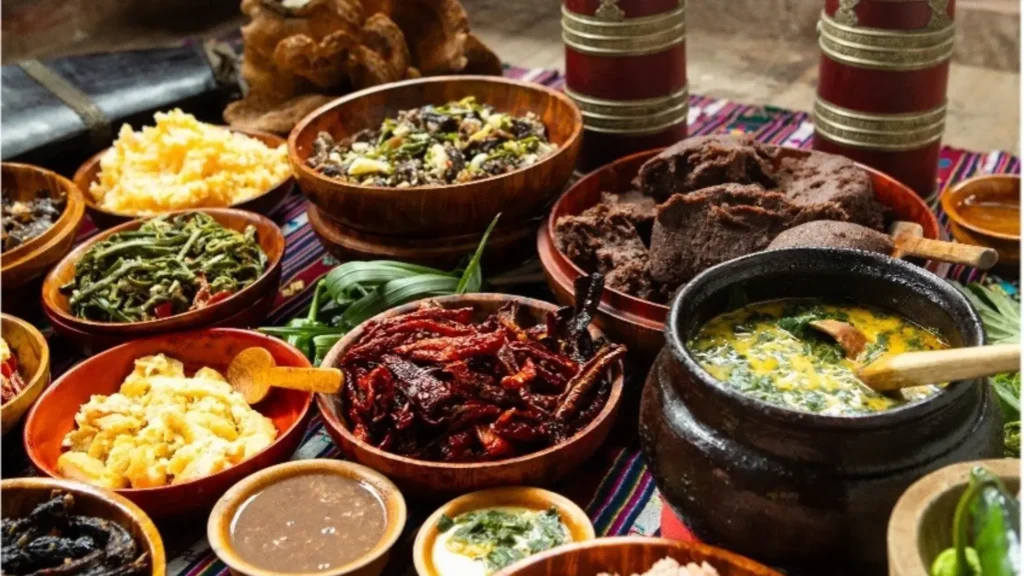
What Is Himalayan Food A Complete Guide to Flavors and Culture Certainly, there’s no denying the stunning beauty the Himalayas offer with their snow-covered mountains and pristine air, but there is another hidden gem of the region, which is delectable food. Himalayan delicacies are intricately woven into the rich history and diverse cultural traditions of the people, their day-to-day activities, and the fabric of their communities. It exhibits multifaceted food artistry that is sculpted with history, geography, and diverse community spirit.    This complete guide looks at the people that birthed Himalayan food, the special ingredients, the inspirational tales behind the dishes, the evolution of food artistry, and the region’s evolution which all serve the food. And of course, the food which is jaw-droppingly delicious without a doubt. This guide is perfect for travel lovers, food lovers, and anyone looking to spark their taste buds. Grab your fork, and join me on this delicious trip through the mountains. Table of Contents Where the Himalayan Food Culture Comes From The Himalayan region is vast, stretching across countries like Nepal, Bhutan, India, China (Tibet), and Pakistan. Each area has its own food traditions, influenced by climate, resources, and cultural exchanges. In high-altitude areas, life is slow and simple, and food reflects this pace. Ingredients are usually local and seasonal, meaning fresh vegetables, lentils, grains, and meats dominate the menu. Because the Himalayas have been a meeting point for traders, pilgrims, and travelers for centuries, the food here blends flavors from Central Asia, South Asia, and even the Middle East. This makes Himalayan cuisine not only unique but also incredibly diverse. Read More about: Himalayan Salt History The Influence of Geography on Taste The food in the Himalayan region is influenced by the geography. Because parts of the region are cold, food is prepared in a way to provide life-saving warmth and energy. For this reason, rich soups, stews, and even dumplings are staples in the diet.   Herbs, fruits, and vegetables, on the other hand, are more common in the middle altitude valleys region which has a moderately warm climate. The soil in the region is also rich, thus, supporting the production of tasty organic crops. Nature also greatly influences what will be on the table, from the handpicked wild spices from Nepal to the dried wild herbs from Bhutan and even the spices grown on terraced filed in Nepal. Everyday Staples in Himalayan Food While each country and community has its own specialties, there are some everyday staples you’ll often find in Himalayan households: 1. Rice and Lentils A classic combination in many Himalayan homes, especially in Nepal and northern India, is rice with lentil soup, known locally as dal bhat. It’s nutritious, filling, and easy to prepare. 2. Barley and Buckwheat In higher altitudes where rice can’t grow well, barley and buckwheat are the main grains. These are often made into breads, pancakes, or porridge. 3. Vegetable Stews Due to limited availability of meat in some areas, vegetable-based dishes are common. Seasonal vegetables are slow-cooked with mild spices for a comforting flavor. 4. Meat Dishes In colder regions, yak meat, goat, and mutton are popular. Meat is often dried or smoked to preserve it for winter. Signature Himalayan Dishes You Should Know The Himalayas are home to some iconic dishes that have gained popularity worldwide. Momo A type of dumpling filled with vegetables or meat, often served with a spicy dipping sauce. Momos are a beloved snack in Nepal, Tibet, and Bhutan. Thukpa A warm noodle soup that’s perfect for cold weather. It usually contains vegetables, meat, and a flavorful broth. Gundruk A fermented leafy green vegetable dish from Nepal, known for its tangy taste and health benefits. Tsampa A roasted barley flour eaten in Tibet, often mixed with butter tea for a high-energy snack. Chhurpi A traditional Himalayan cheese made from yak or cow milk, available in soft and hard varieties. The hard version is famously chewy and can last for months. The Role of Spices and Flavors Unlike heavily spiced South Asian food, Himalayan cuisine uses spices in moderation. The focus is on enhancing the natural taste of ingredients rather than overpowering them. Commonly used spices and herbs include: Turmeric Ginger Garlic Sichuan pepper Fenugreek Mustard seeds Coriander leaves Fresh herbs like mint and cilantro add brightness to dishes, while chili peppers bring a gentle heat, especially in Nepalese food. Read About: Differences Between Salt and Spices Festivals and Food In the Himalayas, food plays a central role in festivals and celebrations. Losar (Tibetan New Year) – Families prepare special dishes like khapsay (fried pastries) and butter tea. Tihar (Festival of Lights in Nepal) – Sweet and savory snacks are shared with guests. Dashain (Nepal) – A time for large family feasts with meat curries and rice. Bhutanese New Year (Losar) – Traditional dishes like ema datshi (chili and cheese stew) are enjoyed. These events are more than just about eating; they bring communities together, strengthening social bonds. How Himalayan Food Supports Health Himalayan food is naturally healthy because it relies on fresh, seasonal, and mostly organic ingredients. The cooking methods: steaming, boiling, fermenting help preserve nutrients. Some health benefits of Himalayan food include: High fiber from whole grains and vegetables Natural probiotics from fermented foods like gundruk and chhurpi Low oil content compared to many other cuisines Balanced nutrition with a mix of carbs, protein, and vitamins This makes it ideal for people who want both flavor and well-being in their diet. You Might Like: Health Benefits Of Himalayan Pink Salt Modern Influence and Global Popularity Himalayan cuisine has recently become more accessible with the introduction of regional dishes like momos and thukpa in restaurants across London, New York, and Sydney. Aside from the exotic appeal, the expanding inclination towards organic food and healthy eating has been pivotal in promoting region-specific dishes.   Equally important is the blend of new and old methods of cooking. While the pre-modernists cling to the traditional methods, the modernists appreciate the blend of

  What is Himalayan Food Read More »

Himalayan Salt Block

How To Use Himalayan Salt Block

How to Use Himalayan Salt Block for Cooking, Grilling & Serving Himalayan salt blocks have become one of the most exciting kitchen tools in recent years. Not only do they look stunning with their rosy-pink hue, but they also add a subtle, natural saltiness to food while offering a unique way to cook, grill, and serve meals. Whether you are a home cook looking to impress guests or a food enthusiast exploring new flavors, learning to use a Himalayan salt block can elevate your culinary game. In this guide, we’ll cover everything you need to know from preparation and heating to cooking techniques, serving ideas, and maintenance so you can confidently use your salt block for years. Table of Contents 1. What is a Himalayan Salt Block? A Himalayan salt block is a thick slab of pink rock salt, usually mined from the Khewra Salt Mine in Pakistan, one of the oldest and largest salt mines in the world. These blocks are hand-cut into flat, rectangular or square pieces, making them ideal for cooking and serving. They are naturally rich in minerals like calcium, potassium, magnesium, and iron, which not only give the salt its beautiful pink-orange tones but also contribute to the unique flavor it imparts to food. Read More: How To Cook On Himalayan Salt Slabs 2. Benefits of Cooking on a Himalayan Salt Block Before we get into the “how-to,” it’s worth understanding why so many chefs love using these blocks: Natural seasoning – Salt blocks lightly season your food without overpowering it. Even heat distribution – Once heated, they hold temperature well, making cooking consistent. Mineral-rich flavor – Adds depth and complexity to dishes. Stunning presentation – Ideal for serving appetizers, sushi, cheese, or desserts. Versatility – Can be used for cooking, grilling, chilling, and serving. You might like to read: Understanding the Mineral Composition of Himalayan Pink Salt 3. Preparing Your Himalayan Salt Block Your salt block needs special handling, especially before the first use: Check for cracks – Make sure your block is free of deep cracks or unstable edges. Clean gently – Wipe with a damp cloth. Never use soap; the salt will absorb it. Dry completely – Moisture and heat don’t mix well on salt blocks, so let it dry fully before heating. If you have a brand-new salt block, it’s recommended to “temper” it by gradually heating it over a few uses to strengthen its structure. 4. How to Heat a Himalayan Salt Block Heating your salt block properly is the most important step to avoid cracks: Gas stove method Place the block on the unlit burner. Set heat to low for 15 minutes. Increase to medium heat for another 15 minutes. Turn to high heat for 15 more minutes. Electric stove method Since salt blocks can crack due to direct contact with coils, use a metal ring or diffuser between the block and heating element. Follow the same gradual heating process. Grill method Place the block on a cold grill, then heat gradually. Tip: The block is ready for cooking when it reaches 400–500°F (200–260°C). A drop of water should sizzle and evaporate instantly. You may like: How Use Himalayan Salt For Cooking 5. Cooking on a Himalayan Salt Block When your block is fully heated, you can cook a variety of foods directly on its surface: Meat & Poultry – Steaks, chicken breasts, and lamb chops develop a beautiful sear while absorbing a hint of salt. Seafood – Shrimp, scallops, salmon, and tuna steaks cook quickly and taste fresh and flavorful. Vegetables – Sliced zucchini, mushrooms, asparagus, and bell peppers grill perfectly. Cooking tips: Use thin cuts for even cooking. Avoid adding extra salt to your food beforehand. Turn food with tongs, not a fork, to preserve moisture. 6. Serving Chilled Dishes on a Salt Block Himalayan salt blocks can also be chilled in the refrigerator or freezer for cold serving: Cold appetizers – Sushi, sashimi, smoked salmon. Cheese & fruit platters – The salt enhances sweetness in fruits like watermelon, peaches, and grapes. Desserts – Serve ice cream or chocolate truffles for a gourmet touch. Chilling method: Place the block in the fridge for at least 2 hours or the freezer for 30–40 minutes before serving. 7. Using Your Salt Block for Grilling Himalayan salt blocks aren’t just for indoor cooking they shine on the barbecue: Preheat the grill with the block in place. Cook thin cuts of meat, fish fillets, or vegetables for a smoky, salted flavor. For extra flavor, marinate your food before grilling. Grilling on a salt block gives food a distinctive flavor profile the mineral salt infuses with natural smokiness from the grill. 8. Caring for Your Himalayan Salt Block Proper maintenance ensures your block lasts for many uses: Cleaning – While still warm (but not hot), wipe with a damp sponge or cloth. Avoid soap – Salt absorbs soap and will ruin the flavor. Dry completely – Store in a dry place to avoid moisture damage. Handle carefully – Salt blocks are heavy and brittle; always use two hands. Pro tip: Over time, the block will develop natural cracks and color changes. This is normal and part of its charm. 9. Safety Tips to Remember Never place a hot salt block on a cold surface. The sudden temperature change can cause cracks. Do not immerse in water. Heat and cool gradually to avoid stress fractures. Use a sturdy stand or tray when moving a heated block. 10. Recipe Ideas to Try on Your Salt Block Here are a few simple ideas to get you started: Himalayan Salt-Seared Steak – Heat block to high temperature, cook steak 2–3 minutes per side for a perfect sear. Garlic Butter Shrimp – Grill shrimp in garlic butter for a rich, savory taste. Grilled Asparagus with Lemon – Drizzle with olive oil and grill until tender. Salt-Cured Watermelon & Feta – Serve chilled for a refreshing summer snack. When you invest in a salt block from Sobaan

How To Use Himalayan Salt Block Read More »

Does Black Salt Expire - Sobaan Salts

Does Black Salt Expire

Does Black Salt Expire? Uncovering The Truth About Its Shelf Life and Uses Black salt, often celebrated for its unique flavor and health benefits, raises an intriguing question: does it ever expire? This natural seasoning, known for its rich mineral content and distinctive taste, has been a staple in various cuisines, particularly in South Asia. But understanding its longevity and proper storage can enhance your culinary experience and ensure you get the most out of this remarkable ingredient. Table of Contents The Nature of Black Salt What You Need to Know Exploring the Origins and Varieties of Black Salt  Black salt or kala namak, originates from the volcanic regions of Pakistan and is distinct from regular table salt due to its unique mineral composition. This salt is not just a flavor enhancer; it carries a cultural significance and is often used in Ayurvedic practices. There are several types of black salt, including Himalayan black salt and black lava salt, each with its own distinct flavor profile and mineral content. Composition and Nutritional Benefits  Rich in minerals such as potassium, magnesium, and iron, black salt is often touted for its health benefits. It is believed to aid digestion, reduce bloating, and even provide a natural source of electrolytes. The presence of sulfur compounds gives it a characteristic flavor reminiscent of hard-boiled eggs, making it a popular choice for vegan dishes seeking an umami kick. How Long Does Black Salt Last? Understanding Shelf Life The Indefinite Shelf Life of Black Salt  One of the remarkable aspects of black salt is its shelf life. When stored properly, it can last indefinitely. Unlike perishable foods, black salt does not spoil due to its high mineral content and low moisture levels, which inhibit microbial growth. However, its quality can be affected by environmental factors. Read More: Black Salt vs Pink Salt: Key Differences, Benefits & Best Uses Explained Key Factors Influencing Shelf Life  Several factors can impact the longevity of black salt: Moisture Exposure: Black salt is hygroscopic, meaning it can absorb moisture from the air. This can lead to clumping and a change in texture, which may affect its usability. Storage Conditions: Storing black salt in a cool, dry place away from direct sunlight is crucial. An airtight container can help maintain its quality by preventing moisture infiltration. Best Practices for Storing Black Salt Effective Storage Techniques  To ensure your black salt remains fresh and flavorful: Use Airtight Containers: Store black salt in airtight jars to keep moisture at bay. Consider adding silica gel packets to absorb any excess humidity. Keep Away from Heat Sources: Avoid placing your salt near ovens or stoves, as heat can alter its flavor and texture. Regularly Check Quality: Periodically inspect your black salt for any signs of moisture or clumping. If it appears lumpy or has an off smell, it may be time to replace it. You  Can Also Read: Understanding the Black Salt Market – Quality, Grades & Buying Tips Culinary Uses of Black Salt Elevating Your Dishes Incorporating Black Salt in Your Cooking  Black salt is a versatile ingredient that can enhance a variety of dishes. Its savory flavor makes it an excellent addition to: Chutneys and Dips: A pinch of black salt can elevate the taste of homemade chutneys, adding depth and complexity. Salads and Fruits: Sprinkling black salt on fresh fruits or salads can enhance their natural sweetness and provide a refreshing twist. Vegan Dishes: Its unique flavor profile makes black salt a favorite among vegans looking to replicate the taste of eggs in dishes like tofu scrambles. you can also read this: How Use Himalayan Salt For Cooking Tips And Recipes Health Considerations Is Black Salt Safe? Potential Health Risks and Precautions  While black salt is generally safe for consumption, it’s essential to be mindful of a few considerations: Sodium Content: Although black salt contains less sodium than regular table salt, moderation is still key, especially for individuals with hypertension. Quality Indicators: Be aware of changes in color, texture, or smell. If your black salt shows signs of moisture or an unusual odor, it’s best to discard it. Conclusion In summary, black salt does not expire in the traditional sense, but its quality can diminish if not stored correctly. By understanding its unique properties and following proper storage practices, you can enjoy the benefits of this exceptional seasoning for years to come. Whether you’re using it in cooking or exploring its health benefits, black salt is a remarkable addition to any kitchen. If you’re sourcing in bulk, partnering with a trusted black salt manufacturer ensures product quality, consistency, and freshness from mine to table. Share This Post Article By Zayan Rauf Zayan Rauf is a dedicated writer with a passion for natural wellness and Himalayan salt products. With a strong interest in holistic living and sustainable sourcing, he shares valuable knowledge on how salt-based solutions can improve everyday life. At Sobaan Salts, Zayan is committed to helping readers discover the many benefits of mineral-rich products through clear, well-researched content. our latest posts What Does Salt Do In Baking? What Is Chinen Salt? How To Use Salt For Food Preservation Benefits of Animal Salt Lick

Does Black Salt Expire Read More »

The Process of Himalayan Pink Salt Therapy And Its Benefits

Health Benefits Of Himalayan Pink Salt

Health Benefits of Himalayan Pink Salt: Nature’s Mineral Treasure When it comes to natural health and wellness, some of the best remedies are not found in a lab but in nature itself. One such gift is Himalayan Pink Salt. Known for its soft pink color and rich mineral content, this salt is more than just a seasoning for your food. People around the world value it for its unique taste, health benefits, and natural purity. At Sobaan Salts, we believe in bringing you the finest quality Himalayan Pink Salt, directly sourced from the ancient salt mines of Pakistan. In this blog, we will explore what makes this salt special, its many health benefits, and simple ways you can use it every day to improve your overall well-being. Table of Contents The Story Behind Himalayan Pink Salt Himalayan Pink Salt is a rock salt mined from the Khewra Salt Mine in Pakistan, one of the oldest and largest salt mines in the world. This salt is believed to have formed millions of years ago when ancient seas evaporated, leaving behind pure salt deposits that were preserved under layers of rock and earth. The pink color comes from natural minerals like magnesium, potassium, and calcium. These minerals are what make Himalayan Pink Salt different from regular table salt, both in taste and in nutritional value. Read More: Himalayan Salt History Why Himalayan Pink Salt is Better than Regular Salt Most people are used to regular white table salt, which is heavily processed and stripped of many natural minerals. It often contains additives like anti-caking agents. Himalayan Pink Salt, on the other hand, is naturally rich in over 80 trace minerals and does not go through harsh chemical processing. This makes it a cleaner and healthier choice for your body. The taste is also slightly different. Himalayan Pink Salt has a more balanced and mild flavor compared to the sharpness of regular salt, which makes it perfect for enhancing the natural taste of food without overpowering it. Health Benefits of Himalayan Pink Salt Here are some of the top health benefits that have made Himalayan Pink Salt popular worldwide. 1. Supports Hydration and Mineral Balance Our bodies need the right balance of minerals to stay hydrated and function properly. Himalayan Pink Salt contains essential electrolytes like sodium, potassium, and magnesium, which help maintain fluid balance in your cells. Adding a pinch to your drinking water or meals can help you stay refreshed, especially during hot weather or after exercise. 2. Improves Digestion Himalayan Pink Salt can stimulate the production of digestive enzymes and help your stomach break down food more effectively. Many people find that using it in meals or dissolving it in warm water before eating can support better digestion and reduce bloating. 3. Promotes Healthy pH Levels Our modern diets often make our bodies more acidic, which can lead to various health issues over time. The minerals in Himalayan Pink Salt can help maintain a healthy pH balance, making your internal environment less favorable for harmful bacteria. 4. Supports Healthy Respiratory Function Some people use Himalayan Pink Salt inhalers or visit salt rooms for respiratory relief. Breathing in the fine salt particles can help clear mucus, reduce inflammation in the airways, and improve breathing for people with asthma, allergies, or sinus issues. 5. Enhances Sleep Quality Magnesium and other minerals in Himalayan Pink Salt help regulate hormones that promote restful sleep. A warm drink with a pinch of pink salt before bed may calm your nervous system and help you sleep more deeply. 6. Improves Skin Health When used in baths or scrubs, Himalayan Pink Salt can help remove dead skin cells, improve circulation, and detoxify your skin. The minerals can leave your skin feeling softer and more refreshed. You might also like to read The Surprising Health Benefits of Drinking Himalayan Salt Water Everyday Uses of Himalayan Pink Salt for Better Health Himalayan Pink Salt is not only good for seasoning food, but it can also be part of your daily wellness routine. Here are some simple and practical ways to use it: 1. Cooking and Seasoning Replace your regular table salt with Sobaan Salts’ Himalayan Pink Salt for a healthier option in all your recipes from soups and salads to grilled meats and baked goods. 2. Morning Mineral Water Start your day by dissolving a pinch of Himalayan Pink Salt in a glass of warm water. This can boost hydration, improve digestion, and give you a gentle energy lift. 3. Bath Soaks Add a cup or two of Himalayan Pink Salt to your bathwater for a relaxing soak. This can help soothe sore muscles, detoxify your skin, and promote relaxation. 4. Salt Scrub Mix Himalayan Pink Salt with coconut oil or olive oil to create a natural exfoliating scrub. This can leave your skin smooth and glowing. 5. Salt Inhalation For respiratory health, you can use a salt inhaler filled with Sobaan Salts’ Himalayan Pink Salt crystals. This can help clear your airways and support easier breathing. 6. Homemade Electrolyte Drink Mix water, a pinch of pink salt, and a little honey or lemon juice for a natural electrolyte drink after workouts or on hot days. Quick Comparison Table: Himalayan Pink Salt vs Regular Table Salt Feature Himalayan Pink Salt Regular Table Salt Mineral Content Contains over 80 trace minerals Mostly sodium chloride, with additives Processing Minimal, natural Heavily processed Color Pink, due to natural minerals White Taste Mild and balanced Sharp and strong Health Benefits Supports hydration, pH balance, digestion, skin, and more Limited Source Khewra Salt Mines, Pakistan Various sources worldwide How to Pick the Best Himalayan Pink Salt Not all Himalayan Pink Salt is the same. At Sobaan Salts, we take pride in sourcing only the highest quality salt directly from the Khewra mines. Our salt is carefully cleaned and packaged without harmful chemicals, ensuring you get the purest form of this natural treasure. By choosing Sobaan Salts, you are not only getting authentic Himalayan

Health Benefits Of Himalayan Pink Salt Read More »

Bamboo Salt vs Himalayan Salt

Bamboo Salt vs Himalayan Salt

Bamboo Salt vs Himalayan Salt: Taste, Texture, and Cooking Benefits Table of Contents Salt isn’t just something we sprinkle on food. It’s the magic that turns plain dishes into something delicious. From seasoning your fries to curing meats, salt is a kitchen essential. But in recent years, people have been exploring different types of salt for both taste and health benefits. Two names that often pop up in foodie and health circles are Bamboo Salt vs Himalayan Salt. At first glance, they might look like just two types of salt with fancy names. But when you dig deeper, you’ll find that they’re quite different in how they’re made, how they taste, and how they can be used in your cooking. If you’ve been wondering which one is better for your kitchen  or even for your health this guide will break it all down for you in the simplest way possible. What Is Bamboo Salt? Bamboo Salt has an interesting story. It comes from Korea and has been used for centuries, not just for cooking but also in traditional medicine. The process of making it is long and careful: sea salt is packed into thick bamboo tubes, sealed with clay, and roasted over a pinewood fire. This roasting isn’t done just once, it’s usually repeated several times (sometimes up to nine). Each roasting allows the salt to absorb minerals from the bamboo and the clay, giving it a very distinct character. What makes Bamboo Salt special: Rich in minerals like calcium, iron, and magnesium. Has a unique smoky, earthy flavor. Slightly alkaline, which some believe helps balance the body’s pH. Because of its flavor and mineral richness, Bamboo Salt is often considered a gourmet choice for people who like bold, deep tastes in their food. What Is Himalayan Salt? Himalayan Salt has its own charm and a completely different origin. It’s mined from ancient salt deposits found deep in the Himalayan mountains of Pakistan. These deposits are millions of years old, formed when ancient seas evaporated. Unlike many processed salts, Himalayan Salt is minimally refined and free from additives. Its beautiful pink color comes from trace minerals, especially iron oxide (rust particles in their natural, harmless form). Read more: The History of Himalayan Salt. What makes Himalayan Salt special: Contains over 84 trace minerals and elements. Has a mild, clean taste. Naturally eye-catching pink crystals, available in both fine and coarse forms. It’s widely loved for its versatility in the kitchen from everyday cooking to decorative salt blocks for serving food. Taste Comparison: Bamboo Salt vs Himalayan Salt Taste is where these two Bamboo Salt vs Himalayan Salt really stand apart. Bamboo Salt Taste If you’ve ever enjoyed the aroma of food cooked over a wood fire, you’ll appreciate Bamboo Salt’s flavor. It’s smoky, earthy, and slightly intense. The taste isn’t harsh; instead, it adds depth to whatever you’re cooking. Best for: Grilled meats like steak or lamb. Roasted vegetables such as sweet potatoes or mushrooms. Stir-fried dishes that need a bold seasoning kick. Think of Bamboo Salt as a seasoning that not only adds saltiness but also an extra layer of flavor like a natural smoky seasoning. Himalayan Salt Taste Himalayan Salt is the opposite in taste profile. It’s mild, clean, and slightly sweet. This makes it incredibly versatile and enhances the natural flavors of food without overpowering them. Best for: Everyday cooking (soups, salads, pasta, rice dishes). Baking, where you don’t want strong flavors from your salt. Finishing delicate foods like seafood or fresh greens. Because of its subtleness, Himalayan Salt is also a great choice when you want to control the saltiness of a dish more precisely. Read More: How To Cook On Himalayan Salt Slabs Texture and Appearance Both salts have distinct textures and appearances, and this plays a role in how they’re used. Bamboo Salt Texture Bamboo Salt usually comes in coarse grains. These larger crystals dissolve slowly, so the saltiness and smoky flavor release gradually. That’s why it works great as a finishing salt sprinkled over food just before serving. Its color can range from light grey to purple, depending on how many times it’s roasted. The color itself can make dishes look a bit more rustic and artisanal. Himalayan Salt Texture Himalayan Salt comes in fine and coarse versions. Fine salt dissolves quickly, making it perfect for soups, sauces, and marinades. Coarse salt works better as a finishing salt or for brining meats. It’s famously pink from pale blush to deep rose which also makes it attractive for decorative serving, like on salt blocks or in grinders on the dining table. Cooking Benefits Bamboo Salt Cooking Benefits Adds depth and smokiness: Ideal for grilled and roasted foods. Slow-dissolving texture: Great for marinades and finishing touches. Unique color: Can make simple dishes look more gourmet. Mineral-rich: May provide extra nutrients compared to regular table salt. Example use: Sprinkle Bamboo Salt over freshly roasted vegetables for a smoky, savory bite that doesn’t need any extra seasoning. Himalayan Salt Cooking Benefits Versatile flavor: Works in both sweet and savory dishes. Fine or coarse options: Adapts to any recipe. Can be used for cooking blocks: Salt slabs can grill or serve food with mild seasoning. Mineral content: Provides trace minerals along with saltiness. Example use: Use fine Himalayan Salt in bread dough to evenly distribute flavor without overpowering the other ingredients. You might also like to read How Use Himalayan Salt For Cooking.  Bamboo Salt vs Himalayan Salt at a Glance Feature Bamboo Salt Himalayan Salt Origin Korea, roasted in bamboo tubes Pakistan, mined from Himalayan range Flavor Smoky, earthy, bold Mild, clean, slightly sweet Texture Mostly coarse, slow dissolving Fine or coarse, quick dissolving Best Uses Grilling, roasting, finishing salt Everyday cooking, baking, finishing Appearance Grey to purple Pink to deep rose Mineral Content High, alkaline Rich in trace minerals Read More: Black Salt vs Pink Salt: Key Differences, Benefits & Best Uses Which One Should You Choose? The answer really depends on your cooking style

Bamboo Salt vs Himalayan Salt Read More »

what is celtic salt

What Is Celtic Salt

What Is Celtic Salt? A Complete Guide to This Mineral-Rich Sea Salt If you’ve ever asked yourself What is Celtic Salt, this guide will help you understand its origin, health aspects, culinary value, and how it compares to other salts. The content is simple, accurate, and friendly, perfect for anyone curious about this natural seasoning. Table of Contents What Is Celtic Salt And What Makes it Unique? Also known as sel gris or grey sea salt, Celtic Salt is harvested from coastal salt flats in Brittany, France and parts of Portugal. It is hand collected using traditional wooden tools and clay-lined ponds, giving it a signature light grey color and moist texture. These methods preserve a higher concentration of natural minerals compared to fully refined salts. The salt retains over 80 trace minerals including magnesium, calcium, potassium, and iron in addition to about 98 percent sodium chloride. These mineral flecks contribute to a pleasing ocean-like flavor and subtle briny finishing quality. Health Benefits Of Celtic Salt: What the Research Shows Here are the most commonly cited health benefits along with what science says: 1. Rich in Trace Minerals Celtic Salt does contain small amounts of essential minerals that support bone, nerve, and heart function. But these minerals are present in low doses not a substitute for nutrient-dense foods.  2. Supports Hydration and Electrolyte Balance Its mineral profile helps maintain fluid balance and muscle function. Some users add a pinch to water to aid hydration. However, experts warn that full electrolytes, not salt alone, are necessary for proper hydration.  Read More: How to Use Pink Himalayan Salt for Daily Hydration 3. Aids Digestion Celtic Salt may support digestion by boosting stomach acid and enzyme production, though broader dietary patterns matter more than salt alone.  4. Promotes Heart Health in Moderation Because it contains magnesium and potassium, Celtic Sea Salt is sometimes touted as blood pressure-friendly. Still, too much salt of any kind raises cardiovascular risk.  5. Helps Skin & Detox Baths Mineral baths using Celtic Salt are believed to soften and soothe skin. While some users report relief, scientific backing remains limited. You might also like to read Himalayan Salt Detox: Benefits, Methods, and How It Works. How Does Celtic Salt Compare to Table Salt and Himalayan Salt? Attribute Celtic Salt Himalayan Salt Table Salt Color & Texture Light grey, moist, coarse flakes Pink, dry, crystalline White, fine, dry Mineral Content ~80 trace minerals Similar set but slightly higher potassium Minimal (iodized with added iodine) Sodium Content (per tsp) ~1840 mg ~2120 mg ~2360 mg Iodine None (unless fortified) None (unless fortified) Often iodized Best Use Finishing dishes or sea baths Culinary use & wellness décor Everyday seasoning and baking Celtic Salt generally has less sodium per teaspoon and more moisture than Himalayan or table salt. Table salt is fortified with iodine, a nutrient mostly absent in sea salts. You Can Also Read These Blogs For More Information: Rock Salt Vs. Sea Salt Dead Sea Salt Vs Epsom Salt Celtic Sea Salt Vs Himalayan Salt What Experts Say and What a Balanced Diet Provides Trending social media claims about Celtic Salt improving sleep, reducing inflammation, or boosting energy often lack scientific support. The American Heart Association emphasizes that overall sodium reduction is healthier than choosing one salt over another.   While Celtic Salt may add flavor and aesthetics, experts recommend obtaining minerals like magnesium and potassium from fruits, vegetables, legumes, and nuts, not from salt alone. How to Use Celtic Salt the Smart Way Use it as a finishing salt rather than substituting table salt; its unique texture and flavor elevate dishes. Add a pinch to water or smoothies for flavor but avoid overconsumption of sodium. Choose bulk, food-grade Celtic Salt from trusted suppliers like Sobaan Salts to guarantee quality, traceability, and purity. Always use salt in moderation and rely on iodized salt or iodine-rich foods when dietary iodine is needed. Final Verdict: What Is Celtic Salt Good For? Celtic Salt is not a health miracle but it is an artisan, mineral-rich sea salt that enhances food, water, and bath rituals. While it does offer small nutritional value, it should not replace a balanced diet or iodized salt for thyroid support. If the question is What is Celtic Salt?, the answer is simple: it’s a gourmet sea salt with a unique texture and subtle mineral profile, ideal for thoughtful, occasional use. At Sobaan Salt, we offer high-quality Celtic salt that brings both flavor and natural mineral essence to your everyday rituals. According to Spherical Insights & Consulting, the global sea salt market is expected to grow from USD 19.12 billion in 2023 to USD 27.12 billion by 2033, with a CAGR of 3.56 percent. (Source: Spherical Insights) References: PubMed – Sodium intake and health National Institutes of Health – Dietary Minerals Harvard T.H. Chan School of Public Health – The Nutrition Source: Salt and Sodium Share This Post Article By Zayan Rauf Zayan Rauf is a dedicated writer with a passion for natural wellness and Himalayan salt products. With a strong interest in holistic living and sustainable sourcing, he shares valuable knowledge on how salt-based solutions can improve everyday life. At Sobaan Salts, Zayan is committed to helping readers discover the many benefits of mineral-rich products through clear, well-researched content. our latest posts Does Himalayan Salt Expire? Does Kosher Salt Expire? Exploring Celtic Sea Salt Vs Himalayan Salt Which Is Perfect For You? How to Make Black Salt

What Is Celtic Salt Read More »

Fill out the form so we can contact and help you with all of your queries.