Zayan Rauf

How To Cook On Himalayan Salt Slabs

How To Cook On Himalayan Salt Slabs

How To Cook on Himalayan Salt Slabs for Healthier and Flavorful Meals Cooking on Himalayan salt slabs has become one of the most unique and natural ways to prepare food. These beautiful pink slabs, made of pure Himalayan rock salt, not only make your meals look stunning but also add flavor and minerals that enhance your health. Unlike ordinary cookware, a Himalayan salt slab connects you directly with nature. It heats up slowly, seasons your food naturally, and infuses every bite with a delicate hint of salt and essential minerals. Whether you’re searing steak, grilling vegetables, or serving desserts, a salt slab adds magic to your cooking experience. One of the standout features of Himalayan pink salt is its impressive array of up to 84 trace minerals, including calcium (1.6 mg/g), potassium (2.8 mg/g), magnesium (1.06 mg/g), and iron (0.0369 mg/g) all higher than in standard table salt. These minerals gently infuse your food with a subtle nutritional boost every time you cook on a salt slab. [1] Table of Contents What Is a Himalayan Salt Slab? A Himalayan salt slab is a solid block of natural pink salt carved from the ancient Khewra Salt Mines in Pakistan one of the oldest and purest salt sources in the world. These mines are estimated to be over 250 million years old, containing salt formed from the evaporation of prehistoric seas. The pink hue of these slabs comes from trace minerals such as: Iron oxide (iron) – gives the pink color. Magnesium, calcium, and potassium – essential for muscle and bone health. Zinc and phosphorus – vital for energy and repair. Every slab is unique in color, texture, and crystal pattern, making it not only a cooking tool but also a piece of art for your kitchen. Why to Cook on a Himalayan Salt Slab? Cooking on Himalayan salt slabs offers more than just a visual appeal. It brings a combination of flavor, health, and performance that regular metal pans can’t match. Here’s why people love it: Natural Salt Seasoning When you cook directly on the slab, your food absorbs just the right amount of salt, never overpowering, always balanced. Plus, since salt added during cooking typically contributes about 25% of daily sodium intake, using a slab helps reduce the need for heavy sprinkling while still maintaining taste. [2] Even Heat Distribution The slab holds and radiates heat evenly, giving your food a perfect sear and locking in moisture. Whether it’s juicy steak or tender vegetables, you get consistent results with every use. Mineral-Rich Cooking Surface As your food cooks, it absorbs trace minerals like magnesium and potassium, adding a subtle nutritional value and earthy flavor. This can provide about 1–4% of your daily mineral needs per serving depending on what you’re cooking. [3] Did You Know? Per kilogram, pink Himalayan salt delivers significantly higher nutrients than table salt with 2,695 mg calcium vs 393 mg, 2,655 mg magnesium vs 84 mg, and 64 mg iron vs none. Though these aren’t large in daily diet terms, they make every bite just a little more wholesome. [4] Chemical-Free & Antibacterial No oils, coatings, or chemicals are needed. Salt is naturally antibacterial, so your slab stays hygienic even after repeated use. Beautiful Presentation A salt slab doubles as a serving plate imagining chilled fruits, sushi, or cheese beautifully displayed on a glowing pink crystal. Did You Know? The slab imparts a mineral-infused, mellow saltiness that balances flavors beautifully, letting you make heart-friendly meals with less sodium overall. [5] Step-by-Step Guide: How To Cook on a Himalayan Salt Slab Preheat Slowly and Gradually Preheating properly is crucial for preventing cracks. Place the slab on your stove or grill. Heat on low for 15 minutes, medium for 15 minutes, then high for another 15 minutes. When you sprinkle a few drops of water and they sizzle immediately it’s ready to cook! Never place a cold slab on a hot burner or into a preheated oven. Sudden temperature change may damage it. Time to Cook! Once hot, the slab acts like a natural grill or pan. You can cook: Steak and chicken for a smoky, mineral-rich sear. Shrimp and salmon for a perfectly salty crust. Vegetables like asparagus, mushrooms, or zucchini for a crisp finish. Even eggs or kebabs can be made with practice. For precision, try contact cooking searing shrimp at around 400°F for 2–3 minutes. It’s efficient, flavorful, and lets you use less salt overall, especially since a teaspoon of Himalayan salt already has about 2,200 mg of sodium, nearly a full day’s recommended limit. [6] While the sodium content per gram is similar to regular table salt (about 368–394 mg vs 381–428 mg), the slab’s solid form helps you use less salt overall without losing taste. [7] Let It Cool Naturally After use, move the slab off heat and let it cool at room temperature. Don’t put it in cold water or your refrigerator immediately, as the thermal shock can cause cracks. Explore: Types Of Salt For CookingHow to Use Himalayan Salt for Cooking How to Clean a Himalayan Salt Slab Cleaning your Himalayan salt slab is easy and chemical-free: Let it cool completely. Use a damp sponge or cloth to gently wipe off food residues. Avoid soap or detergent. Salt is antibacterial. If stubborn bits remain, use a soft scrub pad or spatula. Let it dry fully before storing. Since the slab naturally kills bacteria, there’s no need for harsh cleaners. Cold Uses of Himalayan Salt Slabs Your Himalayan salt slab isn’t just for cooking, it’s also perfect for serving cold dishes. Refrigerate or freeze your slab for 1–2 hours and use it to present: Fruits like watermelon, oranges, or strawberries. Sushi and sashimi for restaurant-style presentation. Cheese boards that stay chilled longer. Desserts like ice cream or chocolate for a sweet-salty twist. Cold contact enhances taste through natural flavor balance and mineral touch, giving your dishes a restaurant-quality presentation. [8]Read More: How To Use Himalayan Salt Block Tips to Extend the

How To Cook On Himalayan Salt Slabs Read More »

Must Have Himalayan Rock Salt Products

Must Have Himalayan Salt Products

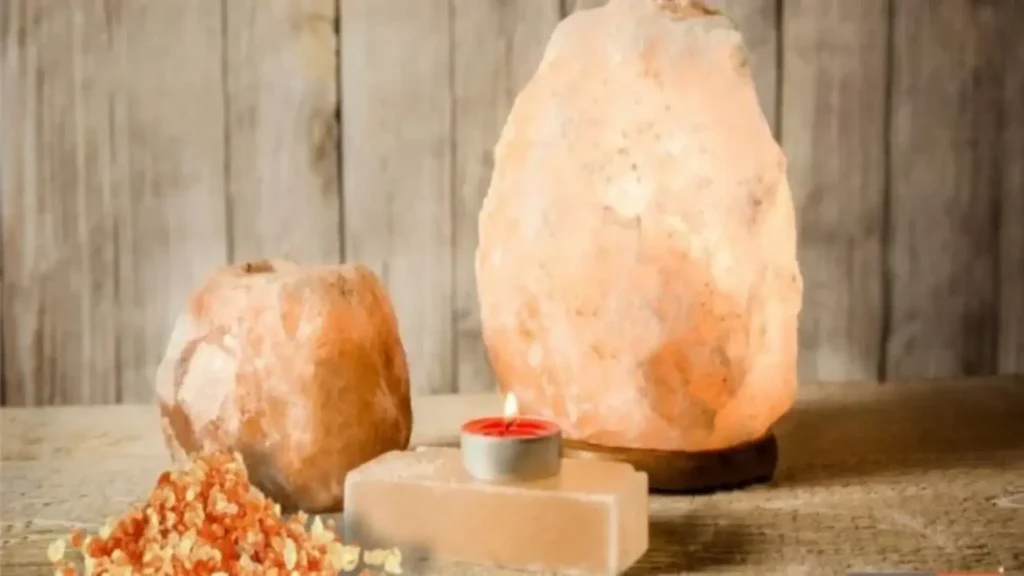
Discover the Best Himalayan Salt Products for Your Home & Wellness Table of Contents Himalayan salt is not just a kitchen ingredient, it’s nature’s multi-purpose gem that transforms your home, health, and lifestyle. From glowing salt lamps to detoxifying bath salts and stylish décor pieces, these Himalayan Salt Products are loved worldwide for their purity, beauty, and holistic benefits. Research from 2024 shows that pink Himalayan salt has less sodium but significantly more beneficial minerals, including calcium, iron, magnesium, potassium, aluminum, and barium. [1] In fact, pink Himalayan salt gets its distinctive color from iron oxide and is about 98% sodium chloride, with the remaining portion containing up to 84 trace minerals such as calcium, potassium, and magnesium.[2] In this blog, Sobaan Salts, one of the leading Himalayan salt lamp manufacturers in Pakistan, explores the most popular Himalayan rock salt products that you can easily bring into your home. Why Choose Himalayan Salt Products? Mined from the ancient salt ranges near Khewra, Pakistan, Himalayan rock salt is rich in over 84 trace minerals including magnesium, calcium, and potassium. These minerals give the salt its natural pink hue and powerful wellness properties. Recent studies also show that these elevated minerals, especially potassium and magnesium help support hydration by maintaining your body’s electrolyte balance. [3] Here’s why these pink salt products in Pakistan are becoming a must-have: Promote relaxation and improve mood Purify indoor air naturally Add a warm and soothing glow to your space Elevate your food’s flavor naturally Support hydration and balance electrolytes Did You Know? As backed by a 2019 review, electrolytes in salts like Himalayan play a key role in preventing dehydration, particularly during workouts or hot weather. [4] Top Himalayan Rock Salt Products You Need in Your Home 1. Edible Himalayan Pink Salt The simplest yet most essential Himalayan salt product is the edible pink salt. Unlike refined table salt, it’s unprocessed and full of natural minerals that support better hydration and digestion. You can use it as: A daily cooking salt for balanced flavor A finishing salt to enhance dishes A health-friendly substitute for refined white salt It’s one of the most demanded Himalayan rock salt products in Pakistan, pure, natural, and ideal for every kitchen. While these minerals sound impressive, a teaspoon of pink salt only provides about 13 mg of calcium (1% of your daily needs) and 0.32 mg of iron (2–4% of your daily needs) so moderation is key. [5] Thanks to its coarser texture, switching to pink salt may help reduce your sodium intake by 10–20%, giving you all the flavor with less sodium overall. [6] Read: Why Is Himalayan Pink Salt ImportantHealth Benefits Of Himalayan Pink SaltDoes Himalayan Pink Salt Have Iodine 2. Himalayan Salt Lamps A global favorite, Himalayan salt lamps are more than just pretty décor. When lit, they emit a soft amber glow that instantly adds warmth and calmness to any room. But the magic goes deeper. These lamps are known to release negative ions, which help purify the air, reduce stress, and improve sleep. At Sobaan Salts, each Himalayan salt lamp is carefully handcrafted from genuine rock crystals to ensure quality, beauty, and authenticity. Read: Himalayan Salt Lamp Guide: Benefits, Care, and Bulb ReplacementHow To Choose Right Himalayan Salt Lamp Did You Know? The soft, warm light from Himalayan salt lamps helps reduce blue light exposure, supporting better sleep and relaxation as shown in 2015 and 2018 studies linking dim light to improved melatonin levels. [7] 3. Himalayan Salt Candle Holders For those who love cozy, minimal décor salt candle holders are a perfect match. They carry the same purifying and soothing qualities as lamps but in a compact, elegant form. They make wonderful salt decoration pieces for living rooms, bedrooms, or even spa corners. 4. Pink Himalayan Bath Salt Transform your ordinary bath into a spa-like retreat with Himalayan bath salt. Its detoxifying properties draw out impurities, soothe sore muscles, and leave your skin glowing. You can also mix it with essential oils for an at-home aromatherapy session. This is one of the most relaxing Himalayan salt products for both body and mind wellness. Meanwhile, 2022 research found that minerals like calcium and magnesium support the skin barrier, helping reduce dryness or inflammation. [8] Even more interestingly, a 2024 study found that soaking in salt baths can aid hydration in a way similar to drinking electrolyte solutions. [9]For best results, dissolve 1–2 cups of Himalayan salt in a warm bath and soak for 20–30 minutes to relax muscles and gently exfoliate your skin. Read More: Himalayan Salt Detox Baths And Its BenefitsSide Effects Of Pink Himalayan Salt Bath 5. Himalayan Salt Cooking Blocks Ever heard of cooking on salt? Himalayan salt blocks are a fun and healthy way to cook or serve food. You can heat them for grilling or chill them to serve desserts. They naturally add flavor and minerals to your food while looking visually stunning. Perfect for BBQs, restaurants, or kitchen enthusiasts who love experimenting.Explore: How To Use Himalayan Salt Block 6. Himalayan Salt Bricks & Tiles Want to make your home interior unique? Try Himalayan salt bricks for walls, spa rooms, or décor. They create a beautiful pinkish glow and help purify the surrounding air. Interior designers often use them in wellness centers, yoga rooms, and luxury resorts. Their natural texture adds elegance and calmness to any space. 7. Himalayan Salt Lick Blocks (for Animals) If you have pets, especially cattle or horses, Himalayan salt licks are essential. They provide animals with natural minerals that improve hydration, bone strength, and appetite. It’s a safe, cost-effective way to ensure your animals get balanced nutrition naturally. Read About: Common Mistakes When Feeding Animals Salt Licks 8. Himalayan Salt Shot Glasses Looking for a unique way to impress guests? Himalayan salt shot glasses are perfect for parties and gatherings. The salt enhances the taste of your drinks while giving a stunning pink presentation. Reusable and naturally antibacterial, they’re an exciting twist on traditional glassware.

Must Have Himalayan Salt Products Read More »
How To Use Himalayan Salt With Fruits

How To Use Himalayan Salt With Fruits

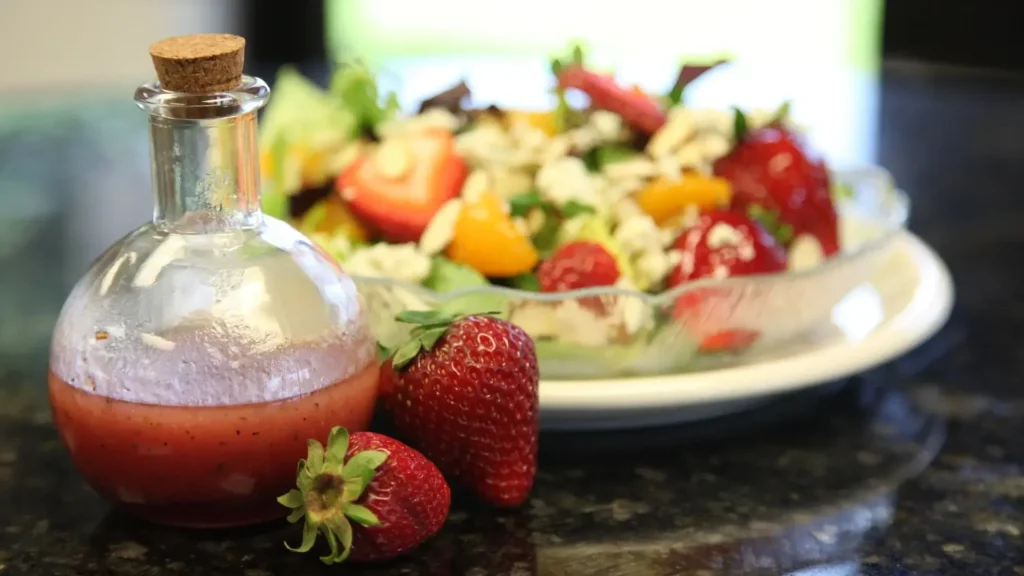
How To Use Himalayan Salt With Fruits? A Refreshing Twist You’ll Love When you think of fruits, you usually imagine something sweet, juicy, and refreshing. But have you ever tried adding a pinch of salt to your fruits? It may sound unusual at first yet this simple trick can completely change your fruit-eating experience. Especially when you use Himalayan pink salt, the result is not only tastier but also healthier. Let’s explore how you can use Himalayan salt with fruits, why it works so well, and how this simple habit can benefit your body. Table of Contents Why to Add Himalayan Salt with Fruits? Adding salt to fruits isn’t something new, it’s an ancient practice in many cultures. People have been using salt to enhance flavors for centuries. Adding a touch of salt to fruits works wonders by quieting bitterness receptors, making natural sweetness pop by 20–40%. Think of it as nature’s way to make apples or pineapple taste even riper. [1] Here’s why it works: Salt balances flavors. It reduces bitterness and brings out the natural sweetness of fruits. When you sprinkle Himalayan salt, which contains over 84 trace minerals, you get a mild salty taste that highlights the fruit’s natural flavors. So the next time you enjoy a slice of watermelon or mango, try adding a tiny pinch of pink salt. You’ll be surprised how it takes the flavor to another level! Did You Know? Himalayan pink salt stands out with up to 84 trace minerals, including about 0.28% potassium unlike regular table salt which teams up with fruits’ natural electrolytes to support muscle and nerve function. [2] How To Use Himalayan Salt With Fruits Here are some easy and fun ways you can enjoy fruits with Himalayan salt: 1. Sprinkle Method Just slice your favorite fruit and sprinkle a pinch of Himalayan salt on top. Works great with: Watermelon Mango Pineapple Orange Guava Papaya The salt will make the sweetness pop and add a refreshing taste. Did You Know? The watermelon, which is about 92% water, when paired with a pinch of Himalayan salt, delivers around 150–200mg sodium with natural potassium and magnesium? This helps maintain fluid balance and can reduce post-exercise fatigue by up to 18%. [3] 2. Salt & Lime Combo Mix Himalayan salt with a few drops of lime juice for an even more exciting flavor.Watermelon with salt and lime is a popular summer snack tangy, sweet, and perfectly hydrating. Pairing high water content fruits with electrolytes from salt can hydrate you more effectively than plain water alone, lowering dehydration risks by 20–30% if you’re active or in the heat. [4] Explore: The Surprising Health Benefits of Drinking Himalayan Salt Water 3. Fruit Salads Add a tiny bit of Himalayan salt to your fruit salad dressing. It balances all the sweet and sour fruits beautifully and adds minerals that regular table salt can’t. Studies show that blending fruit elements with electrolytes like sodium from Himalayan salt can lead to 15–25% faster rehydration than plain water, plus it supports gut health through the fruits’ prebiotic fibers. [5] 4. Pre-Workout Snack Feeling low on energy before a workout? Try watermelon and salt pre-workout!This combo gives you natural sugar for energy and salt to replace electrolytes. For endurance in warmer weather, natural combos like salt with potassium-rich fruits such as bananas or oranges can boost hydration effectiveness by 10–20% compared to plain water. [6] Many athletes use it to boost energy and stay hydrated naturally. Fruits That Taste Best with Himalayan Salt Fruit Best Way to Use Himalayan Salt Benefits Watermelon Sprinkle or mix with lime Hydration + Energy Boost Mango Sprinkle lightly Enhances sweetness Pineapple Sprinkle or use in fruit salad Reduces acidity Guava Add salt & chili mix Great for digestion Apple Pinch of salt on slices Balanced flavor Papaya Sprinkle with lemon juice Aids digestion Health Benefits of Himalayan Salt With Fruits Here’s why this combination isn’t just tasty it’s actually good for you: 1. Rich in Minerals Himalayan salt contains small amounts of potassium, magnesium, and calcium, which are essential for maintaining hydration and muscle function. 2. Improves Digestion Adding a pinch of Himalayan salt to fruits can stimulate digestive enzymes and help your stomach break down food easily. 3. Balances Electrolytes During summer or after exercise, your body loses salts through sweat. Himalayan salt with fruits helps replenish lost electrolytes naturally. 4. Reduces Sugar Cravings If you crave something sweet often, salty-sweet fruits can satisfy your taste buds without overloading on sugar. 5. Boosts Energy Naturally Fruits give you quick energy from natural sugars, while the salt ensures your body stays hydrated and energized especially during hot days or workouts. Cultural Twist: How the World Enjoys Fruits with Salt Many countries have their own salt-and-fruit traditions: Mexico: Mango and pineapple are served with salt and chili powder (tajin). Thailand: Locals love salted green mango slices. India: Salted guava and papaya are common street snacks. And now, with Sobaan Salts’ pure Himalayan pink salt, you can bring this global experience to your kitchen the natural way. Tips for Using Himalayan Salt with Fruits Always use a small pinch; Himalayan salt has a strong mineral taste. Avoid processed table salt; it lacks the natural minerals and flavor balance. Try experimenting not all fruits need salt, but testing small amounts can reveal new favorites. For an extra punch, mix Himalayan salt + lime juice + chili powder; great on tropical fruits! Around 90% of U.S. adults exceed the 2,300mg daily sodium limit, but using just a quarter teaspoon on citrus fruits keeps you under 500mg while boosting flavor by 25–30%. [7] Read About: Why Honey and Pink Himalayan Salt Are the Perfect Natural RemedyTypes Of Salt For Cooking      Sobaan Salts — Where Wellness Meets Nature At Sobaan Salts, we believe that real taste and wellness come from nature.Our pure Himalayan pink salt is hand-mined, 100% natural, and rich in minerals that support hydration, metabolism, and overall wellness. Try adding it to your

How To Use Himalayan Salt With Fruits Read More »

Discovery of Himalayan Pink Rock Salt

What Is Rock Salt

What Is Rock Salt? Formation, Uses, and Facts You Should Know Rock salt you’ve seen in your kitchen, on icy roads, or even glowing inside beautiful salt lamps. But what exactly is rock salt, and why is it so special? In this guide, we’ll explore what rock salt is, how it forms, and the many ways it’s used, from cooking to wellness. Let’s explore the wonderful world of this natural mineral, and delve into why Sobaan Salts – a highly reputable name when it comes to Himalayan salt, is happy to introduce you to this ancient bounty from the hills! Table of Contents What Is Rock Salt? Rock salt, also known as halite, is a naturally occurring mineral form of sodium chloride (NaCl), the same compound found in table salt. However, unlike refined salt, rock salt is mined directly from underground deposits that formed millions of years ago when ancient seas evaporated. Interestingly, commercial rock salt usually boasts 95–99% purity, with only tiny traces of minerals like gypsum that give it a distinct earthy texture and taste. [1] And if you think we’re running out of it, not even close. Rock salt resources are considered virtually inexhaustible worldwide, with ancient deposits continuously recycled through geological processes such as diagenesis and metamorphism. [2] This abundance makes it one of the planet’s most dependable natural materials.Rock salt is more coarse and unrefined, often containing natural minerals like calcium, magnesium, potassium and iron which lend unique colors and fuller flavor. How Is Rock Salt Formed? The very beginning of the process of salt itself starts with prehistoric oceans and seas. Eventually the residual salt becomes covered with layers of mud and rock. Under pressure and heat for millions of years, it hardens into what today we call rock salt beds. This natural process is why each salt deposit carries its own unique mineral signature and color. For example: Himalayan pink salt gets its hue from trace minerals like iron and magnesium. Black salt (Kala Namak) develops sulfur compounds, giving it a distinctive taste. It’s truly nature’s way of preserving the ocean’s essence beneath the Earth’s crust. Read More: Where does Himalayan pink rock salt come from Did You Know? In Poland’s Zechstein salt beds, rock salt accounts for nearly 95% of the country’s total salt reserves, a striking example of geological concentration. [3] Where Is Rock Salt Found? Rock salt deposits exist all around the world, though some regions are especially rich in them. Major sources include: Country Famous Mines / Regions Unique Features Pakistan Khewra Salt Mine (Punjab) One of the world’s largest and oldest salt mines, producing Himalayan pink salt. United States Michigan, New York, Ohio Massive underground salt domes used for de-icing and industrial salt. Germany Berchtesgaden Mine Known for its pure white salt and historical tunnels. Poland Wieliczka Salt Mine UNESCO World Heritage Site with salt sculptures and chambers. The Khewra Salt Mine in Pakistan, where Sobaan Salts sources much of its Himalayan salt, is over 250 million years old, a natural wonder and a global supplier of high-quality rock salt. Types of Rock Salt There are several types of rock salt, each with its own texture, color, and mineral composition: Type Color Origin Common Uses Himalayan Pink Salt Pink to red Pakistan Cooking, décor, lamps, and wellness. Black Salt (Kala Namak) Dark brown / black South Asia Indian cuisine, digestive aid. Gray Salt (Fleur de Sel) Light gray France Gourmet finishing salt. White Rock Salt White Global Industrial and de-icing applications. Each type of rock salt carries a unique flavor profile and aesthetic appeal, making it suitable for both culinary and decorative uses. Explore: Rock Salt Vs Sea Salt Uses of Rock Salt Rock salt is far more versatile than most people realize. Its natural mineral content and texture make it valuable for several purposes: 1. Culinary Uses Rock salt is widely used in cooking not just for flavor, but for the minerals it provides. It can: Season dishes with a subtle, earthy taste. Preserve meats, pickles, and cheeses. Be used in salt blocks for grilling or serving. Find: What Does Salt Do In Baking 2. Industrial Uses Rock salt plays a major role in: De-icing roads during winter. Water softening, helping remove calcium and magnesium from hard water. 3. Wellness and Décor Himalayan salt lamps are believed to purify the air. Bath salts promote relaxation and skin health. At Sobaan Salts, natural Himalayan rock salt is carefully mined and refined to preserve its purity ensuring quality that meets both culinary and wellness needs.Explore: Himalayan Rock Salt Products What Is Rock Salt Used for in Cooking? In the kitchen, rock salt shines because of its coarser crystals and mineral richness. It’s perfect for: Cooking and roasting: Enhances flavor while maintaining food moisture. Finishing salt: Sprinkled on dishes to add crunch and visual appeal. Salt crust baking: Used to encase meats or fish for a tender, juicy texture. Its lower sodium concentration compared to table salt also makes it a more balanced option for those seeking natural seasoning. Read: How to Use Himalayan Salt for CookingCan You Safely Eat Himalayan Rock Salt What Is Rock Salt for Ice Cream? You might be surprised, but rock salt plays a crucial role in traditional ice cream making!When placed around ice in traditional ice cream makers, it reduces the freezing point of water so the ice cream mix freezes more quickly and uniformly. This pelting adds a smooth, creamy texture and it’s also a fun chemistry lesson. So the next time you savor homemade ice cream, consider that rock salt is the unsung hero of that perfect scoop. Find out: How Rock Salt Makes Ice Colder Amazing Facts About Rock Salt Rock salt is over 250 million years old in some regions. It forms naturally from evaporated ancient seas. Contains essential trace minerals like iron, magnesium, and potassium. Used in cooking, de-icing, spa treatments, and décor. Himalayan pink salt is one of the purest forms of rock salt on Earth. Read

What Is Rock Salt Read More »

Differences Between Salt and Spices

Differences Between Salt and Spices

Unraveling the Key Differences Between Salt and Spices in Cooking No one talks about it much, but there are actually big differences between salt and spices. These two kitchen essentials are often used side by side, sometimes even interchangeably, but they’re not the same at all. Both play a unique role in cooking, flavoring, and even in health. At Sobaan Salts, we believe in simplifying these food facts so you can make better choices for your meals. Let’s explore the clear differences between salt and spices in the easiest way possible. Table of Contents Is Salt Considered a Spice? One of the most common questions people ask is: Is salt a spice? The short answer is no. Salt is a mineral, mainly made of sodium chloride, mined from salt deposits or extracted from seawater. Spices, on the other hand, are plant-based; they come from seeds, roots, bark, or dried fruits. So, while both are used to flavor food, salt is a seasoning, not a spice. There are Differences Between Salt and Spices. A 2023 study found that salt enhances taste perception by amplifying umami and savory flavors in foods like soups by up to 30%, while spices like turmeric and ginger add distinct aromatic notes without altering baseline taste intensity. [1] What Are Spices? Spices are what give dishes their distinct aroma, taste, and sometimes even color. They’re usually dried parts of plants and used in small amounts. Examples include: Black pepper (adds sharpness) Cinnamon (sweet and warm) Cumin (earthy and nutty) Turmeric (bright yellow and slightly bitter) Spices add layers of flavor and are often tied to culture and tradition. What Is a Seasoning? Seasonings are ingredients added to food to enhance taste. Salt is a seasoning. Spices are also seasonings, but not all seasonings are spices. So, while both salt and spices fall under the “seasoning” category, they aren’t the same thing. What Is a Condiment? Condiments are extras you usually add at the table or while eating. They’re not cooked in but served alongside. Examples: ketchup, mustard, mayonnaise, soy sauce, or chutneys. This makes condiments different from both salt and spices. Salt Is Not a Spice Salt is a pure mineral. It doesn’t give a dish a brand-new flavor like spices do. Instead, it: Balances taste Enhances natural flavors Reduces bitterness Brings harmony to sweet, sour, and savory notes That’s why salt is often called a flavor enhancer, not a flavor itself. Read About: How to Use Himalayan Salt for Cooking Did You Know? Salt is the undisputed star of the kitchen, appearing as an ingredient in about 92% of recipes from a massive global database, while black pepper shows up in roughly 58% and cumin in around 38%, illustrating how spices bring exciting regional variety to salt’s everyday essential vibe.[2] Functions of Salt in Food Salt is powerful in cooking for four main reasons: Enhances Texture – in bread and baking, salt strengthens dough. Preserves Food – salt stops bacteria growth and keeps food fresh longer. Enhances Flavor – makes every ingredient taste more balanced. Health Essential – provides sodium needed for hydration, nerves, and muscles. Explore: What is Himalayan FoodA 2022 sensory study showed that salt is detected on the tongue within 0.1 seconds, making it the fastest flavor enhancer, while spices like chili pepper require 0.5 seconds to register due to complex compounds. [3] Spices and Their Unique Qualities Spices are diverse and full of life. They can be sweet, sharp, earthy, or spicy. They not only bring flavor but also have antioxidant and medicinal properties. Some examples: Black pepper → heat + depth Cinnamon → warm, sweet touch Ginger → spicy-sweet kick Turmeric → earthy + healing properties A single meal with herbs and spices at culinary doses can improve 24-hour blood pressure profiles and reduce postprandial lipemia, unlike salt which may exacerbate these. [4] Qualities of Spices Can be warming or cooling Vary in intensity depending on origin and storage Add both flavor and health benefits Spices are often used creatively to tell the story of a dish, think garam masala in curries or cinnamon in apple pie. Did You Know? Adding 1g of salt to a dish increases sodium content by 400mg, directly impacting daily intake limits, while spices like paprika can replicate warmth and depth with zero sodium contribution. [5] Seasoning Salt vs. Table Salt This is where people often mix things up. Table Salt: Refined, often has additives, very common. Seasoning Salt: A mix of salt with spices/herbs (like garlic salt, onion salt). If you want natural purity, Sobaan Salts Himalayan Pink Salt is the best alternative rich in minerals and unprocessed. Everyday Cooking Examples Here’s how you can see the difference in action: French Fries → salt = tasty, add paprika = smoky kick. Rice → salt = balanced, add cumin = aromatic. Soup → salt = base flavor, add garlic + pepper = full depth. Salt brings out flavors; spices create new ones. Discover: Types Of Salt For Cooking How to Use Salt and Spices Together Here’s a simple approach: Add a little salt early while cooking. Add spices gradually for aroma and complexity. Taste as you cook balance is everything. Finish with a touch of Himalayan salt for the perfect flavor boost. Incorporating herbs and spices can reduce salt usage by up to 50% in dishes like chicken pasta while maintaining or boosting appetite and flavor acceptance. [6] Quick Comparison: Salt vs Spices Feature Salt Spices Origin Mineral (sodium chloride) Plant-based (seeds, roots, bark, etc.) Flavor Salty, enhances taste Wide range (sweet, spicy, earthy, bitter) Role in Food Balances and enhances flavors Creates new flavors Extra Use Preserves food Adds aroma & color Health Value Needed for body functions Many carry antioxidants, anti-inflammatory properties Read About: Mineral Composition of Himalayan Pink Salt and Its 84 Natural Elements Key Takeaways Salt and spices are not the same, salt is a mineral seasoning, while spices are plant-based flavorings. Salt enhances what’s already there, while spices transform flavors.

Differences Between Salt and Spices Read More »

Different Himalayan Salt Colors

Different Himalayan Salt Colors

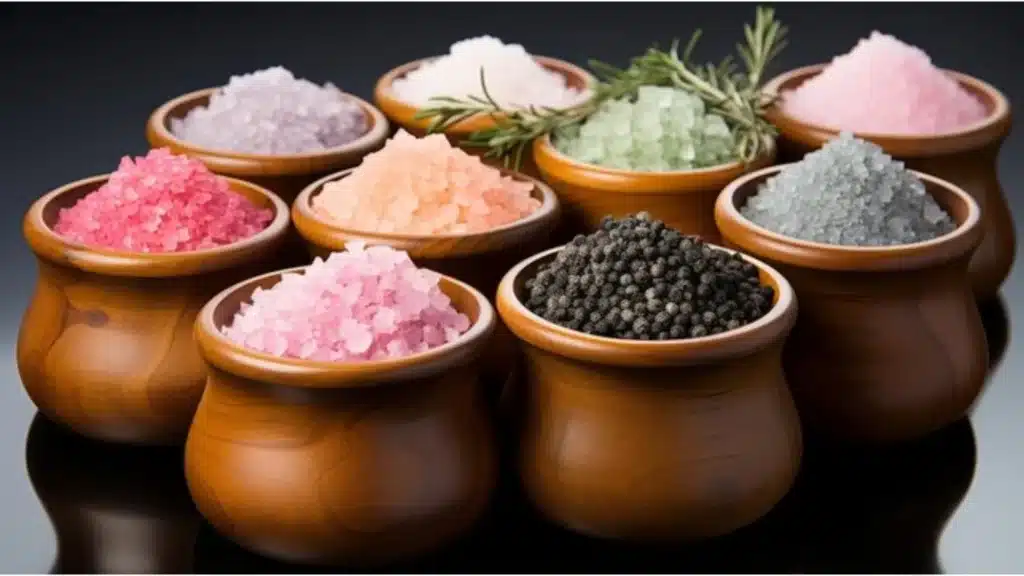
Exploring the Different Himalayan Salt Colors and Their Unique Properties Ever noticed that Himalayan salt doesn’t always look the same? Sometimes it’s light pink, sometimes deep red, and even pure white. These different Himalayan salt colors are more than just pretty shades; they reveal the salt’s mineral content, purity, and uses. Whether you’re adding it to food, using it in skincare, or enjoying the glow of a salt lamp, understanding these colors can help you make the best choice. Table of Contents What Makes Himalayan Salt Special? Himalayan salt comes from the ancient Khewra Salt Mine in Pakistan, one of the largest and oldest salt mines in the world. Formed millions of years ago when ancient oceans evaporated, this salt is packed with over 84 trace minerals like iron, calcium, magnesium, and potassium, but in negligible amounts (e.g., 1 teaspoon provides only 0.0369 mg iron per gram, far below daily needs).[1] Unlike refined table salt, Himalayan salt is natural, unprocessed, and valued for both its health benefits and unique beauty. Did You Know? The color of Himalayan salt is directly linked to the concentration of minerals like iron oxide. The Different Himalayan Salt Colors Explained Each color of Himalayan salt tells its own story. Here’s what they mean: 1. White Himalayan Salt Purest type with very few impurities. Found in the upper layers of the mine. Flavor: clean, neutral. Best for: delicate dishes like seafood, salads, or baking. Iron (Fe) in pink Himalayan salt averages 64 mg/kg (range: 0–168), compared to 0 mg/kg in white table salt, and higher in black Himalayan salt.[2] 2. Pink Himalayan Salt Most famous and widely available type. Pink shade comes from iron oxide and other trace minerals. Flavor: mild, versatile. Best for: everyday cooking, seasoning, and also for salt lamps. The pink color in Himalayan salt primarily comes from iron oxide (rust), with iron levels up to 167.52 mg/kg in pink varieties, while white Himalayan salt has lower iron (<16 ppm), resulting in less coloration.[3] Explore: Why Is Himalayan Salt PinkHow to Use Pink Himalayan Salt for Daily Hydration 3. Red or Brownish Himalayan Salt Rich in iron oxide, giving it a darker shade. Flavor: bold, slightly earthy or metallic. Best for: grilled meats, soups, BBQ rubs, and hearty dishes. 4. Grey Himalayan Salt A rare variation with mixed mineral deposits. Sometimes compared in grey salt vs pink salt discussions. Flavor: unique and varied. Best for: gourmet cooking or food presentation. Black Himalayan salt has a sulfur-like odor and irregular crystalline structure (quadrilateral, cubic, prismatic), with lower sodium levels than pink salt or sea salt, and higher antioxidant activity in vitro.[4] Explore:How to Make Black SaltDoes Black Salt Expire In the Khewra mine (source of most Himalayan salt), variations include pink (exported commonly), white (purer, less mineralized), and occasional black or reddish hues due to mineral impurities.[5] Table: Comparison of Different Himalayan Salt Colors Salt Color Mineral Richness Flavor Profile Best Use White Very low impurities Clean, light taste Salads, seafood, baking Pink Balanced minerals Mild, versatile Everyday meals, lamps Red/Brownish High iron content Bold, earthy Meat, soups, marinades Grey Rare mineral blend Unique, gourmet Special dishes, presentation White vs Pink Salt: Which One Is Better? The debate of white vs pink salt comes down to taste and use. White Himalayan salt is milder and doesn’t change the flavor of delicate meals. Pink salt, on the other hand, is richer in minerals and more popular for daily cooking and table use. Both are healthy and natural so your choice depends on your preference. Read More: Black Salt vs Pink Salt Different Color Salt Lamps and Their Meanings Himalayan salt isn’t just for eating it’s also carved into salt lamps that come in different shades. While the science on their benefits is limited, many people enjoy them for their beauty and calming effect. Light Pink: calming, great for bedrooms. Dark Red/Orange: cozy and grounding, perfect for living rooms. White: modern, clean, and stylish for minimalist décor. Salt lamps are believed to promote relaxation, purify air, and improve mood making them popular for homes, spas, and meditation spaces. Read: How To Take Care Of Himalayan Salt Lamp? Which Himalayan Salt Color Should You Use? Here’s a quick guide: For Cooking Everyday Meals: pink salt. For Special Dishes & Baking: white salt. For Rich Flavors & Meat Dishes: red or brown salt. For Decor & Relaxation: different color salt lamps. Read About: How to Use Himalayan Salt for Cooking Key Takeaways Himalayan salt naturally comes in different colors white, pink, red/brown, and grey each with its own mineral makeup and taste. White vs pink salt is the most common comparison, with white being mild and pink being rich in minerals. Different color salt lamps add beauty to your home while creating a relaxing atmosphere. No matter the color, all Himalayan salts are natural, mineral-rich, and healthy. Potassium (K) in pink Himalayan salt averages 2,406 mg/kg (range: 98–4,529), compared to 152 mg/kg in white table salt.[6] At Sobaan Salt, we bring you authentic Himalayan salt in every shade from crystal-white to deep red so you can enjoy its full range of benefits, whether in your food, your home, or your wellness routine. Himalayan salt contains over 80 trace minerals, including iron, calcium, magnesium, and potassium, with its color variations white, pink, red/brown, and grey, reflecting different mineral concentrations. Approximately 98% of Himalayan salt is sodium chloride, similar to table salt, but its trace minerals contribute to its unique flavor and health benefits. Source: Healthline References: Halite properties and geochemical insights – ScienceDirect Mineralogical and geochemical characteristics of salt deposits – De Gruyter Brill Environmental impact and trace elements in Himalayan salt – ScienceDirect Health Benefits of Himalayan Pink Salt – Assuaged Share This Post Article By Zayan Rauf Zayan Rauf is a dedicated writer with a passion for natural wellness and Himalayan salt products. With a strong interest in holistic living and sustainable sourcing, he shares valuable knowledge on how salt-based solutions can improve everyday life. At

Different Himalayan Salt Colors Read More »

What is Himalayan Salt Soap

What is Himalayan Salt Soap

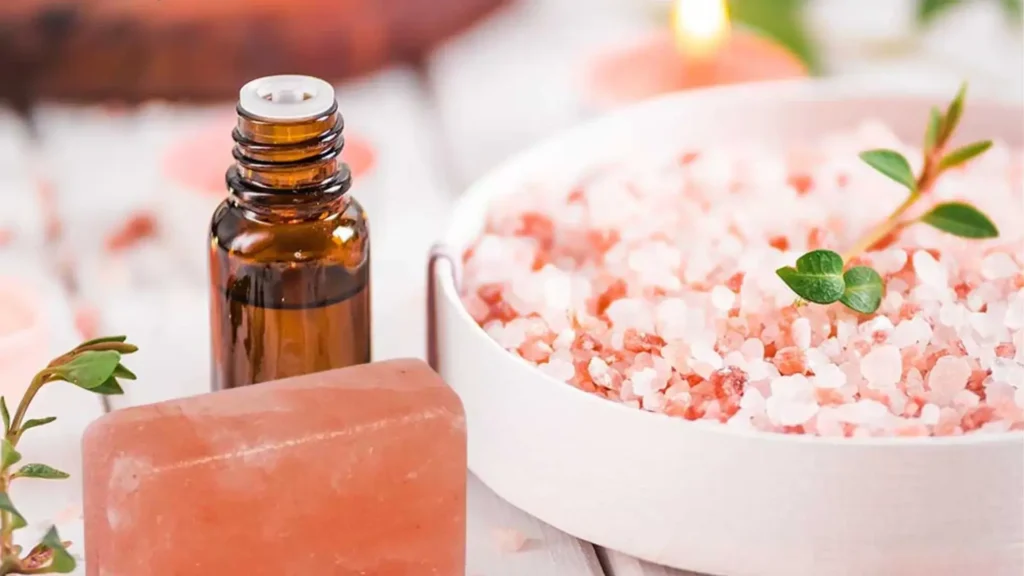
A Complete Guide to Himalayan Salt Soap for Healthy Skin When it comes to natural skincare, few products are as unique and versatile as Himalayan salt soap. Unlike traditional soaps, this soap is carved from ancient, mineral-rich Himalayan salt and not only cleanses and detoxifies but also revitalizes and hydrates the skin. We love it and so does everyone who tries it. Himalayan pink salt has become popular worldwide among those who are conscious of their skincare. In this blog, we are going to be examining what Himalayan salt soap is, the uses, benefits, potential side effects and even how you can make it at home. Table of Contents What Is Himalayan Salt Soap? Himalayan salt soap is a natural soap made by combining pink Himalayan salt with essential oils, natural fats, or sometimes even kept as a solid block of salt shaped into a bar. This salt, mined from the Khewra Salt Mine in Pakistan (one of the oldest and largest salt mines in the world), contains more than 84 trace minerals, including calcium, magnesium, and potassium, all of which are beneficial for healthy skin. Unlike commercial soaps that often include harsh chemicals, Himalayan salt soap bars are natural, chemical-free, and eco-friendly. Did You Know? Himalayan pink salt contains 84 trace minerals, with magnesium levels ranging from 146.78–11,937.98 mg/kg, calcium from 530.62–5,736.73 mg/kg, and potassium from 98.39–4,528.89 mg/kg, potentially aiding skin hydration and barrier function. [1] Key Properties of Himalayan Salt Soap Mineral-Rich: Contains over 84 trace minerals that nourish the skin. Anti-Bacterial: Naturally helps fight acne-causing bacteria. Exfoliating: Removes dead skin cells gently. Chemical-Free: Safe for sensitive skin. Natural Deodorizer: Helps reduce body odor without artificial fragrances. Read About: Himalayan Salt Detox Baths And Its BenefitsWith its natural antibacterial properties, Himalayan salt soap can help keep acne at bay by fighting off bacteria like Staphylococcus aureus, giving you a simple way to support clearer, healthier skin every day. [2] Did You Know? The minerals in Himalayan salt soap can be absorbed through the skin in small amounts. They may help balance pH levels and improve skin hydration naturally. Benefits of Using Himalayan Salt Soap 1. Gentle Exfoliation The fine salt crystals in Himalayan soap bars work as a natural exfoliator, removing dead skin cells and leaving your skin smooth and refreshed. 2. Deep Cleansing & Detoxification Salt has natural detoxifying properties. Using Himalayan pink salt soap can help unclog pores, remove dirt, and flush out toxins from your skin. Read: The Ultimate Guide to Himalayan Salt Detox: Benefits, Methods, and How It Works 3. Balances Skin Oils Unlike harsh soaps that strip the skin of natural oils, Himalayan salt soap balances oil production, making it suitable for both dry and oily skin. 4. Helps with Acne & Skin Irritations Its anti-bacterial properties can also control breakouts and calm irritated skin. A number of users report that it helps for things like acne, eczema, and more minor rashes.Saltwater may reduce allergic skin reactions by lowering immunoglobulin E (IgE) antibodies and proinflammatory cytokines, potentially benefiting acne or eczema. [3] 5. Natural Deodorant Effect If you want a chemical-free deodorant, this soap serves as a natural deodorizer. It soaks up sweat and kills the bacteria that produce odor. 6. Promotes Relaxation The minerals in Himalayan salt, when combined with essential oils, create a calming and spa-like effect. Using this soap in warm showers can help relieve stress. Possible Side Effects of Himalayan Salt Soap While Himalayan salt soap is generally safe, it may not suit everyone. Here are a few things to consider: Can feel rough on very sensitive skin. May sting if applied on cuts, wounds, or freshly shaved skin. Overuse may cause dryness; it’s best to moisturize afterward. Pro Tip: Always patch-test before using if you have highly sensitive skin. How to Use Himalayan Salt Soap Effectively Wet Your Skin – Use warm water to open pores. Lather the Soap – Rub between hands or directly on skin. Massage Gently – Use circular motions for exfoliation. Rinse Well – Wash away with lukewarm water. Moisturize – Apply a hydrating cream or oil afterward. Explore: What Are Salt ScrubsIn fact, patients with psoriasis who underwent four weeks of balneotherapy in mineral-rich Dead Sea water experienced a remarkable 73% average reduction in their Psoriasis Area and Severity Index (PASI) scores, highlighting how salt-based therapies can help ease inflammation and scaling. [4] Himalayan Salt Soap vs Regular Soap Feature Himalayan Salt Soap Regular Soap Ingredients Natural minerals, essential oils Often synthetic chemicals, fragrances Skin Benefits Exfoliates, detoxifies, nourishes Basic cleansing only Suitable For Sensitive, oily, and acne-prone skin Varies, may irritate sensitive skin Deodorizing Effect Yes, natural odor control Usually needs added fragrance Eco-Friendly Yes Not always How to Make Himalayan Salt Soap at Home If you enjoy DIY skincare, here’s a simple recipe for homemade Himalayan salt soap: Ingredients: 1 cup Himalayan pink salt (fine grain) ½ cup coconut oil ½ cup olive oil 1 tbsp shea butter A few drops of lavender or tea tree essential oil Steps: Melt the coconut oil, olive oil, and shea butter together. Mix in Himalayan salt while stirring slowly. Add essential oils of your choice. Pour mixture into soap molds and let it harden overnight. This DIY Himalayan salt soap bar is affordable, natural, and customizable with your favorite oils. Final Thoughts Himalayan salt soap is more than just a cleansing product; it’s a natural skincare solution packed with minerals and healing benefits. From exfoliation to acne control, detoxification to odor protection, this soap is a perfect blend of nature and wellness. At Sobaan Salts, we believe in providing authentic Himalayan pink salt products that bring both health and beauty benefits straight from nature. By adding Himalayan salt soap to your skincare routine, you can enjoy a spa-like, refreshing, and nourishing experience every day. Key Takeaways: Rich in minerals that nourish skin. Acts as a natural exfoliator & deodorizer. May have mild side effects for sensitive skin. Easy to make at home with

What is Himalayan Salt Soap Read More »

Himalayan Salt Bricks Uses

Himalayan Salt Brick Uses

Himalayan Salt Brick Uses: A Complete Guide to Benefits and Applications Himalayan salt bricks are not just blocks of salt; they are nature’s gift that brings together beauty, wellness, and functionality. Carved from the world-famous Khewra Salt Mines in Pakistan, these pink-orange crystals have been used for centuries and are now making their way into modern homes, spas, and even kitchens.From building entire salt therapy rooms to using them as cooking surfaces or glowing décor pieces, Himalayan salt brick uses are truly diverse. In this guide, we’ll explore all the practical applications, health benefits, and reasons why brands like Sobaan Salt are trusted worldwide for delivering premium-quality Himalayan salt products.With the global pink Himalayan salt market hitting USD 1.80 billion in 2025 and expected to climb to USD 2.34 billion by 2030 at a steady 5.39% annual growth rate, it’s clear why products like salt bricks are becoming staples in wellness and home design. [1] Table of Contents Did You Know? Himalayan salt is over 250 million years old, formed when ancient oceans evaporated and left behind vast salt deposits that later became part of the Himalayan Mountains. This means that every Himalayan salt brick you see today is literally a piece of ancient Earth history, preserved in crystal form. What Are Himalayan Salt Bricks? Himalayan salt bricks are rectangular blocks made from pure Himalayan pink salt, compressed naturally over millions of years. Their unique rosy glow comes from 84+ trace minerals including iron, magnesium, calcium, and potassium. These minerals not only give the bricks their color but also make them valuable for health and wellness. When heated or placed in specific environments, salt bricks release negative ions that can help purify the air, improve mood, and promote better breathing. That’s why Himalayan salt bricks are now used in: Home interiors and spas Salt therapy rooms Cooking and grilling Wellness centers And thanks to suppliers like Sobaan Salt, they are easily available in both retail and wholesale quantities.While Himalayan salt bricks might release some negative ions when used in saunas or walls, research indicates they produce only a minimal amount much less than you’d find near an ocean making their air purification effects more subtle than transformative. [2] Versatile Himalayan Salt Brick Uses 1. Interior & Wall Cladding One of the most popular uses of Himalayan salt bricks is in wall design. Whether it’s a full feature wall or just a section, these glowing bricks create an atmosphere that feels both cozy and luxurious. Used in homes, spas, cafés, and yoga studios. Often combined with backlighting for a beautiful amber glow. Adds natural elegance while subtly improving air quality. 2. Salt Rooms & Wellness Therapy Salt therapy, also known as halotherapy, has been gaining popularity worldwide. By building salt rooms with Himalayan salt bricks, wellness centers create a space where people can breathe in salt-infused air. Helps with asthma, allergies, sinus issues, and bronchitis. Promotes relaxation and reduces stress. Popular in spas, gyms, and wellness clinics. This is one of the most therapeutic uses of salt bricks and is a major reason why wholesale demand is growing. Learn: How To Make Himalayan Salt Bricks Room Analyses reveal that pink Himalayan salt, the building block for these bricks, packs 38 times more potassium, 36 times more iron, and an impressive 100 times more magnesium than standard white table salt, potentially adding a mineral boost to your baths or meals. [3] 3. Cooking & Grilling on Salt Bricks Yes, you can cook on Himalayan salt bricks! Many chefs and food lovers use them as a natural cooking surface. Works for grilling meat, fish, or vegetables. Adds a mild, mineral-rich flavor without over-salting. Retains heat evenly, making it perfect for serving hot dishes. Can also be chilled to serve desserts or cold foods. This makes Himalayan salt bricks a two-in-one solution: cooking tool and presentation plate. Explore: How To Use Himalayan Salt Block 4. Flooring & Tiles Some meditation centers and spas use salt bricks as flooring material. Walking barefoot on salt floors creates a grounding, therapeutic experience. Enhances wellness environments like yoga studios. Adds natural antibacterial properties to the room. Creates a relaxing, earthy environment. Read: Himalayan Salt Tiles Benefits and Uses 5. Lighting & Décor Himalayan salt lamps are already popular, but salt bricks take it a step further. Can be carved into lamps, shelves, and glowing art pieces. Gives off a warm, soothing light. Perfect for bedrooms, living rooms, and offices. Read About: How To Decorate With Himalayan Salt Products A Unique Guide 6. DIY Projects & Gift Ideas Because of their unique look, Himalayan salt bricks are also used in creative DIY projects. Candle holders Table centerpieces Natural wellness gifts These simple yet elegant creations add personality to any space. Table: Comparison of Himalayan Salt Brick Uses Use Case Benefits Popular In Longevity Wall Cladding Elegant décor + air purification Homes, spas, cafés 10+ years Salt Rooms (Therapy) Healthy breathing, relaxation Wellness centers 7–10 years Cooking/Grilling Adds natural flavor, minerals Kitchens, BBQ lovers 2–3 years Lighting & Décor Warm glow, stylish ambience Homes, offices Long term Flooring Unique spa/yoga environment Resorts, gyms 8–10 years Health & Wellness Benefits of Himalayan Salt Bricks Beyond their aesthetic appeal, Himalayan salt bricks are valued for their therapeutic properties: Air purification → Releases negative ions to neutralize pollution. Respiratory health → Salt particles can ease breathing issues. Stress relief & relaxation → The warm glow promotes calmness. Mineral infusion → Cooking with salt bricks adds natural minerals. Balanced environment → Reduces harmful effects of positive ions from electronics. Explore: Health Benefits Of Himalayan Pink Salt One of the appealing aspects of Himalayan salt bricks is their source material pink Himalayan salt which can contain up to 84 trace minerals, such as 1.6 mg of calcium, 2.8 mg of potassium, 1.06 mg of magnesium, and 0.0369 mg of iron per gram, giving it a slight edge over everyday table salt in natural nutrient variety. [4] Safety & Maintenance Tips To make sure your

Himalayan Salt Brick Uses Read More »

What is Halotherapy

What Is Halotherapy

What Is Halotherapy? A Complete Guide to Salt Therapy Benefits In recent years, you might have heard people talk about halotherapy, also known as salt therapy. From luxury spas to small wellness centers, salt rooms are becoming increasingly popular for their supposed benefits on breathing, skin, and overall relaxation. But what is halotherapy really? Does it actually work? And most importantly is halotherapy safe for everyone? At Sobaan Salts, we’ve been working with Himalayan salt for years, and in this blog, we’ll give you a simple and complete guide to understanding halotherapy, its history, benefits, risks, and even how you can try halotherapy at home. Did You Know? Halotherapy (salt therapy) dates back to the 1800s, when doctors noticed salt mine workers had fewer respiratory issues than others, sparking worldwide interest in salt-based healing. Table of Contents What Is Halotherapy? Halotherapy is a natural wellness treatment where you inhale tiny dry salt particles in a controlled environment. These particles are usually dispersed into a salt room or booth by a machine called a halogenerator. The goal? To mimic the clean, mineral-rich air found in natural salt caves. Proponents believe that salt has natural properties that may: Open airways and make breathing easier Improve certain skin conditions Promote relaxation and reduce stress It’s non-invasive, painless, and generally relaxing which is why it has gained so much attention. Learn: How To Make Himalayan Salt Bricks Room Interestingly, halotherapy has also been tested in children with swollen tonsils or adenoids a clinical trial showed that 44.4% of treated kids saw at least a 25% reduction in swelling (double the placebo rate), along with improved hearing and ear pressure.[1]   A Brief History of Halotherapy The roots of halotherapy go back to Eastern Europe. In the mid-1800s, a Polish physician, Dr. Feliks Boczkowski, observed that salt mine workers rarely suffered from lung issues compared to other miners. This led to the creation of the first salt therapy facilities, where patients could spend time in salt caves to ease respiratory conditions. Today, modern halotherapy rooms recreate that environment, often with pink Himalayan salt walls and controlled salt particle levels. Also Explore: Himalayan Salt History Benefits of Halotherapy While research on halotherapy is still ongoing, many users report feeling improvements after regular sessions. Here are some of the most discussed halotherapy benefits: Potential Benefit How It Helps Respiratory Support Helps clear mucus, reduce inflammation, and ease conditions like asthma, allergies, or bronchitis Skin Health May reduce irritation and soothe conditions like eczema, psoriasis, and acne Stress Relief & Relaxation Salt rooms are calm, quiet spaces that promote relaxation and reduce anxiety Better Sleep Many people feel more rested after sessions due to improved breathing and stress relief Immune Boost Salt has natural antibacterial and antiviral properties that may support immunity At Sobaan Salts, we’ve seen growing interest in halotherapy from wellness centers who use Himalayan salt not just for décor but for creating therapeutic spaces.In fact, people with chronic lung conditions like bronchiectasis reported high satisfaction, 65% felt improvements and experienced no major side effects in one study.[2]   Does Halotherapy Really Work? This is one of the most common questions: does halotherapy really work? The answer is that the results vary. Some studies suggest benefits for asthma, COPD, and skin conditions, while others say more research is needed. What’s clear is that many people report feeling more relaxed, breathing better, and having healthier skin after sessions. So while halotherapy shouldn’t replace medical treatment, it can be a safe complementary therapy for those looking for natural wellness options. Read: What Are Salt ScrubsOne of the mechanisms is its ability to calm inflammation studies show that levels of a key inflammatory marker (IL-1β) dropped significantly after treatment.[3]   Is Halotherapy Safe? For most people, halotherapy is considered safe. However, there are a few precautions: People with severe asthma or chronic lung disease should consult a doctor first It may cause mild coughing or throat irritation in some individuals Staying hydrated before and after sessions is important Always choose a reputable facility that maintains hygiene and uses certified halogenerators. Interestingly, halotherapy has also shown benefits during recovery. One study found that patients’ frailty scores improved from 3.96 to 3.53 after sessions, suggesting improved resilience. [4] Halotherapy at Home You don’t need to visit a spa to experience salt therapy. Here are a few ways to bring halotherapy at home: Salt Inhalers: Small handheld devices with salt crystals for personal use Salt Lamps: While not a replacement for therapy, Himalayan salt lamps create a calming environment DIY Salt Rooms: Some people design home wellness rooms with Himalayan salt walls from trusted suppliers like Sobaan Salts Salt Baths: Adding Himalayan salt to warm baths can help relax muscles and skin This makes halotherapy more accessible and convenient for everyday wellness routines.Also Explore: Side Effects Of Pink Himalayan Salt Bath Who Can Benefit from Halotherapy? People who often turn to halotherapy include: Those with asthma, allergies, or frequent respiratory issues Individuals with skin conditions like eczema or psoriasis Athletes looking to improve endurance and recovery Anyone dealing with stress, anxiety, or poor sleep Beyond breathing benefits, halotherapy has even been linked to reduced complications with one study noting a 48% drop in major cardiac events and a 59% decrease in renal dysfunction for treated patients.[5]   Risks and Limitations Like any therapy, halotherapy has limitations. It should not be seen as a cure. Possible drawbacks include: Temporary coughing or throat dryness Limited scientific evidence compared to conventional medicine Not suitable for people with severe respiratory problems without medical advice Always consult your healthcare provider before starting new wellness treatments.Still, even children with asthma showed encouraging results a pilot study revealed 15–25% better quality-of-life scores after halotherapy. [6]   Key Takeaways Halotherapy is salt therapy, inhaling tiny salt particles in a controlled environment. It is inspired by old practices in salt caves and mines. Potential benefits include easier breathing, healthier skin, stress relief, and better sleep. Research is still limited, but

What Is Halotherapy Read More »

Himalayan Salt History, Process of Himalayan Salt Mining

Himalayan Salt History

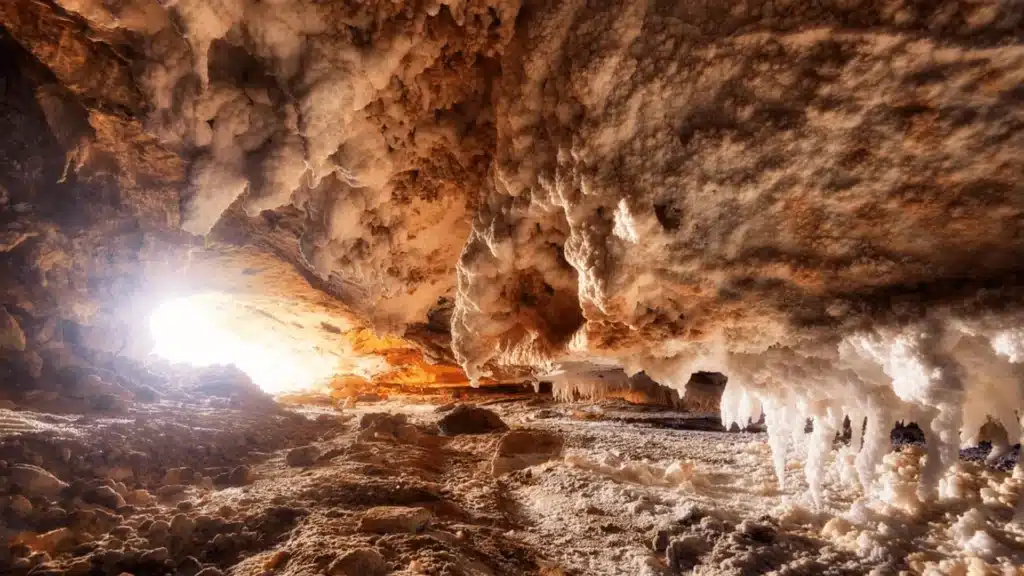
The Fascinating Himalayan Salt History You Need to Know When you hold a piece of pink Himalayan salt in your hand, it’s hard to imagine that it carries a story older than human civilization itself. These sparkling crystals are not just used to flavor food or decorate lamps, they are part of a history that goes back millions of years. The Himalayan Salt History begins nearly 250 million years ago when an ancient sea slowly dried up, leaving behind thick layers of mineral-rich salt. Over time, these layers were buried under mountains and lava, sealing them away in complete purity. Today, we mine those very salt deposits from Pakistan’s famous Khewra Salt Mine, the heart of Himalayan pink salt. But the history of Himalayan salt is more than just geology. From the time of Alexander the Great to the Mughal emperors, and from ancient trade caravans to modern wellness spas, Himalayan salt has always had an important place in human life. Let’s take a simple journey through its fascinating story. Table of Contents Did You Know? The vibrant pink Himalayan salt we sprinkle on our meals began forming over 500 million years ago when ancient seas evaporated and left behind the stunning deposits we mine today. [1] What Is Himalayan Salt? Himalayan salt is a type of natural rock salt, mostly mined from the Khewra Salt Mine in Pakistan’s Punjab region. What makes it stand out is its pink color, which comes from tiny amounts of minerals like iron, calcium, magnesium, and potassium. Explore: Why Is Himalayan Salt Pink Unlike table salt, which is processed and stripped of most minerals, Himalayan salt stays close to its natural form. In fact, scientific analysis shows it’s 95–98% sodium chloride, enriched with trace minerals like calcium, magnesium, and iron that give it the rosy glow. [2]This is why many people call it the “purest salt on Earth.” In the bigger picture of Himalayan Salt History, it is unique because it was formed naturally millions of years ago, long before humans even existed. Where Does Himalayan Salt Come From? The story of Himalayan salt starts about 250 million years ago. Back then, there was a vast ocean in the region where the Himalayas stand today. Over time, the ocean dried up, leaving behind large salt deposits. Later, these salt beds were covered by rock and lava, protecting them from pollution and weather. That’s why Himalayan salt is sometimes called “fossilized sea salt.” It doesn’t come from modern oceans but from ancient ones. This is also why it’s considered pure and untouched by modern-day impurities. Today, almost all Himalayan pink salt is mined from the Salt Range mountains of Pakistan, especially the Khewra Salt Mine, which spans 3,398 acres and is the second-largest salt mine in the world. First noticed around 326 BCE when Alexander’s horses licked its salty rocks, it remains the heart of Himalayan salt mining. [3] Timeline of Himalayan Salt History Here’s a simple timeline to understand its journey: Period Event Importance 250 Million Years Ago Ocean dries up → Salt deposits form Birth of Himalayan salt 326 BCE Alexander the Great’s horses lick salty rocks Discovery of Khewra salt by humans 13th Century Local tribes start mining Salt becomes part of local trade 16th Century (Mughal Era) Mughals organize mining Used in royal kitchens and trade routes 19th Century (Sikh & British Rule) Mines industrialized Large-scale mining begins 20th Century Exports start Salt spreads worldwide Today Used in food, wellness & décor Himalayan salt is a global trend Legends of Discovery One of the most famous legends about Himalayan Salt History is connected to Alexander the Great. Around 326 BCE, when his army was passing through the region, soldiers noticed their horses licking the rocks. This led them to discover the salty crystals of what we now know as the Khewra Salt Mine. While historians debate the exact details, this story shows how ancient people discovered salt not by mining but simply by observing nature. Himalayan Salt in the Mughal Era During the Mughal Empire (16th–18th century), Himalayan salt became an important resource. The Mughals organized proper mining methods and used the salt in royal kitchens. It was also traded along ancient routes, making it valuable beyond the local region. The salt was not just food seasoning it was also used in traditional remedies, preserving food, and cultural rituals. Himalayan Salt During British Rule In the 19th century, when the British took control of the Indian subcontinent, they industrialized salt mining. The Khewra Salt Mine was expanded with proper tunnels, railways, and structures that are still in use today.Under British rule, Himalayan salt shifted from a local treasure to an export commodity, gradually reaching international markets. By 2020, Pakistan exported about 400,000 tons of pink salt worth $59 million, with nearly a quarter going to the U.S.[4] Read: How To Import Himalayan Salt From Pakistan Modern Popularity of Himalayan Salt Today, Himalayan pink salt is famous worldwide. It’s no longer just a kitchen ingredient, it’s part of wellness, home décor, and luxury living. Some common uses include: Cooking & Seasoning: As a healthier alternative to refined table salt. Salt Lamps: Decorative lamps that are believed to purify air and create a calming atmosphere. Spa Treatments: Salt scrubs, baths, and therapies for relaxation. Salt Blocks & Plates: Used for grilling, serving, and even chilling food.Explore: How To Use Himalayan Salt Block This shows how the story of Himalayan Salt History has evolved from ancient oceans to modern lifestyles. Cultural Importance of Himalayan Salt Himalayan salt has always been more than just food. In local culture, it was used for: Preserving food before refrigeration existed. Healing remedies, like saltwater gargles or salt compresses. Spiritual practices, where salt was believed to cleanse negative energy. Read About: The Surprising Health Benefits of Drinking Himalayan Salt Water Even today, many of these cultural uses continue, especially in South Asia. Sustainability and Mining Today The Khewra Salt Mine is the world’s second-largest salt mine, producing about

Himalayan Salt History Read More »

Fill out the form so we can contact and help you with all of your queries.