
The Surprising Health Benefits of Drinking Himalayan Salt Water
- Zayan Rauf
Key takeaways
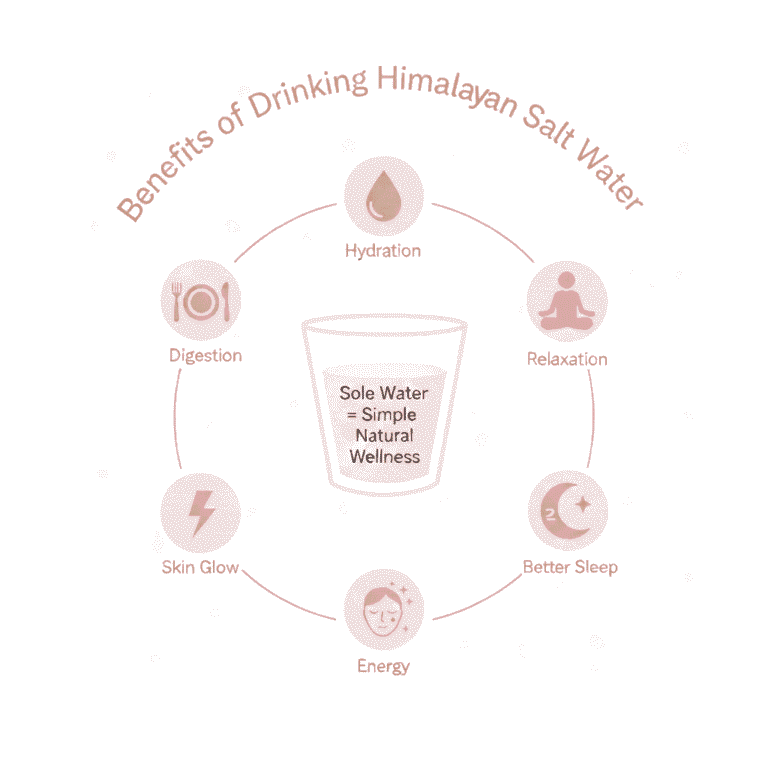
- Sole water (Himalayan salt water) helps improve hydration by restoring essential electrolytes like sodium, potassium, and magnesium.
- It can aid digestion and reduce bloating by supporting stomach acid production.
- Drinking Himalayan salt water may help regulate sleep, reduce stress, and promote relaxation.
- Regular use supports better skin health and may boost your overall energy levels.
- When consumed in moderation, it can maintain blood pressure balance and prevent dehydration after exercise.
Easy to make at home just Himalayan pink salt and filtered water. - Use in moderation: 1 teaspoon of sole water in 8 oz of water per day is enough.
- Avoid overuse if you have heart, kidney, or blood pressure issues.
- Sobaan Salts Himalayan pink salt is rich in over 80 trace minerals that make it perfect for preparing healthy sole water.
If you’ve seen wellness videos on TikTok or searched for morning detox routines, you’ve probably come across sole water, a simple mix of Himalayan pink salt and water. People say it helps with hydration, digestion, electrolyte balance, and even better sleep.
But what’s the truth behind these claims? Is drinking Himalayan salt water daily really beneficial or just another passing trend?
In this guide, we’ll explore the science-backed benefits of drinking Himalayan salt water, what makes it unique, how to make it safely, and what to watch out for.
What Is Himalayan Salt Water (Sole Water)?
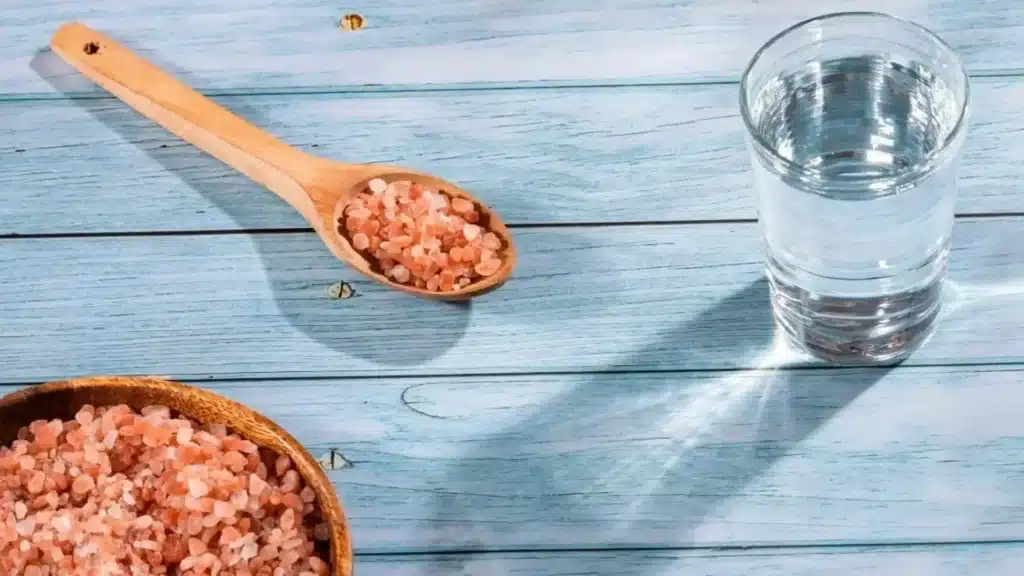
Sole water (pronounced so-lay) is made by mixing Himalayan pink salt in water until it can’t dissolve anymore, creating a concentrated solution. Before drinking, it’s diluted with plain water.
This salt comes from Pakistan’s Khewra Salt Mine, one of the oldest and purest sources in the world. Unlike table salt, Himalayan salt is unrefined and free from additives or anti-caking agents.[1]
It contains over 80 trace minerals like calcium, potassium, magnesium, and iron, the reason behind its pink color. Though these minerals exist in small amounts, they may offer subtle health benefits when consumed regularly.
At Sobaan Salts, we believe in keeping wellness simple and natural and Himalayan salt water fits that philosophy perfectly.
Read More: The Growing Demand for Himalayan Pink Salt in the Global Market
Nutritional Snapshot: Key Minerals in Himalayan Pink Salt
Here’s what’s inside Himalayan pink salt, per gram:
Mineral | Approx. Amount (per gram) | Role in the Body |
Sodium | 368 mg | Helps with fluid balance and nerve signaling |
Potassium | 2.8 mg | Regulates blood pressure and heart function |
Calcium | 1.6 mg | Strengthens bones and supports muscle movement |
Magnesium | 1.06 mg | Reduces cramps and tiredness |
Iron | 0.03 mg | Improves oxygen delivery in blood |
Even in small doses, these minerals can help maintain electrolyte balance and hydration, especially during workouts or hot weather.[2]
Did You Know?
Although Himalayan pink salt contains over 80 trace minerals, the amounts are extremely low. You’d need to consume more than 6 teaspoons a day to make a meaningful nutrient contribution, which would far exceed safe sodium limits. [8]
Science-Backed Benefits of Sole Water
Research on sole water itself is still limited, but studies on its main components minerals, sodium, and hydration suggest several potential benefits.
1. Boosts Hydration and Electrolyte Balance
Plain water hydrates, but a little natural salt can help your body absorb and retain water more effectively. The sodium and potassium in Himalayan salt work together to balance electrolytes and prevent fatigue especially after sweating or exercise.[3]
That’s why athletes often use electrolyte drinks for recovery. Similarly, sole water offers a natural alternative.
Pro Tip: Drink a glass of diluted Himalayan salt water first thing in the morning or after a workout for improved hydration.
2. Supports Digestion and Gut Function
Drinking Himalayan salt water on an empty stomach may help stimulate stomach acid (HCl) which aids digestion and nutrient absorption.[4] It can also help reduce bloating and improve bowel regularity.
When combined with a fiber-rich diet, its mild natural salt content supports healthy digestion without the harshness of laxatives.
3. Improves Sleep and Reduces Stress
Low sodium levels can cause the body to release stress hormones like cortisol and adrenaline, which may affect sleep quality. Moderate salt intake through sole water can help balance these hormones and support natural sleep cycles.[5]
Minerals such as magnesium also help relax the nerves and muscles, leading to better rest and recovery.
4. Supports Weight Management
While Himalayan salt water isn’t a weight-loss drink, it can help with hydration and appetite control. Proper hydration keeps your metabolism steady and reduces the chances of confusing thirst with hunger.
Studies suggest that maintaining balanced electrolytes may reduce cravings and support overall energy and focus all helpful for healthy weight management.[6]
5. Promotes Healthy Skin and Natural Glow
The minerals in Himalayan salt, especially magnesium, can help your skin retain moisture and reduce dryness or roughness.[7]
Regular hydration with sole water supports better circulation, which can naturally improve your skin’s radiance. Combined with a balanced diet and self-care, this simple drink can make a noticeable difference from the inside out.
At Sobaan Salts, we’ve seen how natural minerals can bring subtle but powerful changes to daily wellness from energy to skin health.
How to Make Sole Water at Home
Making sole water is simple and inexpensive. You’ll need:
- 1 glass jar with a non-metal lid
- ¼ cup of food-grade Himalayan pink salt
- Filtered water
Steps:
- Fill the jar one-fourth with Himalayan salt.
- Add filtered water and shake gently.
- Let it sit overnight. When salt remains undissolved at the bottom, it’s ready.
- Mix 1 teaspoon of this sole water in a glass (8 oz) of normal water each day and drink.
Use glass or wooden utensils only metal can react with minerals.
Did You Know?
Sodium plays a key role in helping your cells absorb water more efficiently particularly during exercise or heat stress. When you lose water and sodium through sweat, adding a small amount of salt to your drink can aid better hydration and prevent fatigue. [9]
How Much Sole Water Is Safe?
Stick to 1 teaspoon of sole in 8 oz water per day. This keeps sodium levels within the safe daily limit of 2,300 mg.
If you have high blood pressure, kidney issues, or are on a low-sodium diet, consult a doctor before using it.
Myths vs. Facts About Himalayan Salt Water
Myth | Fact |
Sole water detoxifies your body overnight. | It supports natural detox through hydration but doesn’t flush toxins instantly. |
It’s more harmful than table salt. | When diluted, it’s safe and even more natural than processed salt. |
All salts are the same. | Himalayan pink salt contains over 80 trace minerals that make it unique. |
Possible Side Effects and Precautions
Like anything, too much can cause problems. Drinking highly concentrated or excessive amounts of sole water may lead to:
- Bloating or water retention
- High blood pressure
- Kidney strain
To stay safe:
- Always dilute properly.
- Skip if you’re on a low-sodium diet.
- Only use pure, edible Himalayan salt, not bath-grade.
Read More: Understanding the Black Salt Market – Quality, Grades & Buying Tips
Final Thoughts: Elevate Your Routine with Sole Water
Inspired by ancient wellness traditions, Himalayan salt water offers an easy way to support hydration, digestion, and natural energy when consumed responsibly.
At Sobaan Salts, we promote balanced living through natural minerals and mindful habits. Adding a glass of sole water to your morning routine might be the simplest wellness upgrade you try this year.
Frequently Asked Questions (FAQs)
1. What happens if you drink Himalayan salt water every day?
It can help maintain hydration, support digestion, and balance electrolytes when taken in moderation.
2. Does sole water help with detox?
It doesn’t detox the body directly but supports your natural detox system through hydration and gut health.
3. Is it safe to drink before bed?
Yes, in small amounts, it may improve sleep. Just avoid drinking too close to bedtime to prevent water retention.
4. Can I use any salt for sole water?
No. Always choose pure Himalayan pink salt without additives for the best results.
References:
- Fayet-Moore, F., Wibisono, C., Carr, P., Duve, E., Petocz, P., Lancaster, G., McMillan, J., Marshall, S., & Blumfield, M. (2020). An analysis of the mineral composition of pink salt available in Australia. Foods, 9(10), 1490.
- Bispham, N. Z., & Nowak, K. L. (2019). Drinking water: The saltier the better? Journal of the American Heart Association, 8(9), e012758.
- Aragón-Vela, J., et al. (2022). Physiological benefits and performance of sea water ingestion for athletes in endurance events: A systematic review. Nutrients, 14(21), 4609.
- StatPearls Publishing. (2023). Achlorhydria. In StatPearls [Internet]. Treasure Island (FL): StatPearls Publishing.
- Jung, J. Y., Kim, M. K., Lee, S., Lee, J., Kim, S., Kim, Y., et al. (2023). Dietary sodium intake and its relation to sleep duration, sleep quality and nocturnal urination in working-aged Korean adults. Nutrition Bulletin, 48(3), 365–375.
- Tinkov, A. A., Bogdański, P., Skrypnik, D., Skrypnik, K., Skalny, A. V., Aaseth, J., Skalnaya, M. G., & Suliburska, J. (2021). Trace element and mineral levels in serum, hair, and urine of obese women in relation to body composition, blood pressure, lipid profile, and insulin resistance. Biomolecules, 11(5), 689.
- Proksch, E., de Bony, R., Trapp, S., & Boudier, C. (2005). Bathing in a magnesium-rich Dead Sea salt solution improves skin barrier function, enhances skin hydration, and reduces inflammation in atopic dry skin. International Journal of Dermatology, 44(2), 151–157.
- Heaney, R. P. “Himalayan Rock Salt: Mineral Composition and Health Implications.” National Center for Biotechnology Information (NCBI), U.S. National Library of Medicine, Nutrients Journal, 2020.
- Ray, M.L., et al. “Effect of sodium in a rehydration beverage when compared to water alone.” Journal of Applied Physiology, Vol. 85, Issue 4, 1998.
Share This Post
Article By