
How to Build a Salt Cave at Home
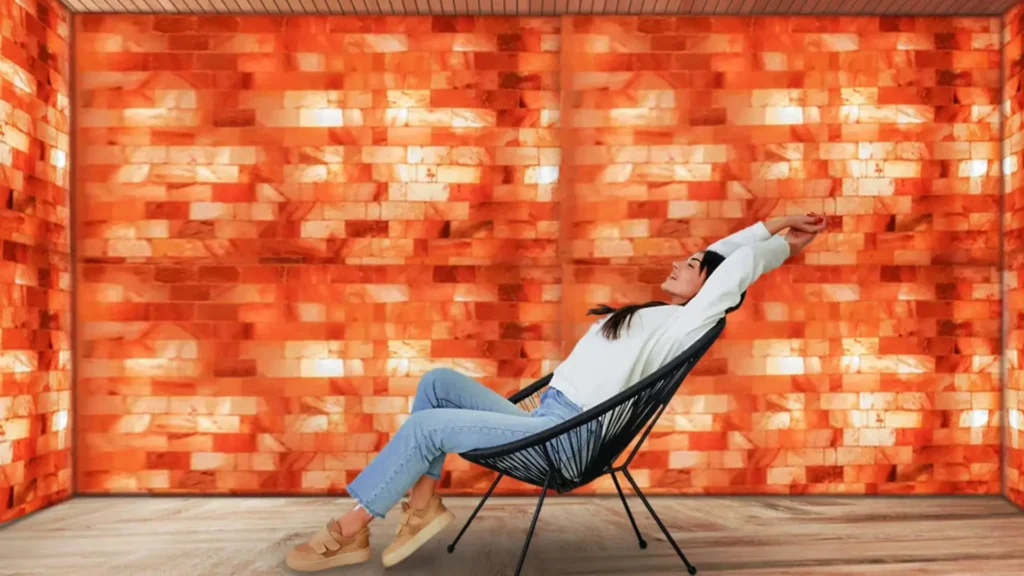
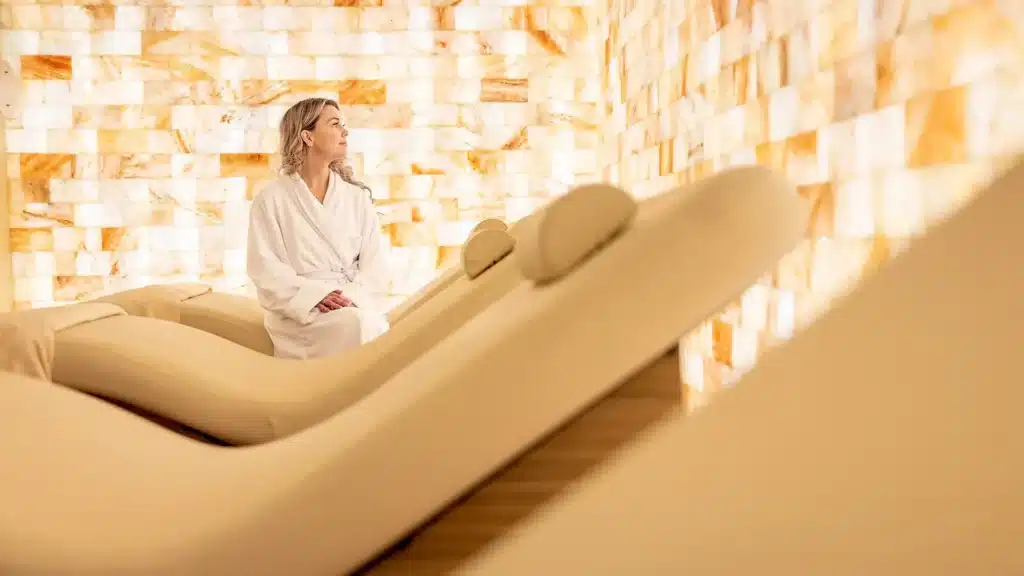
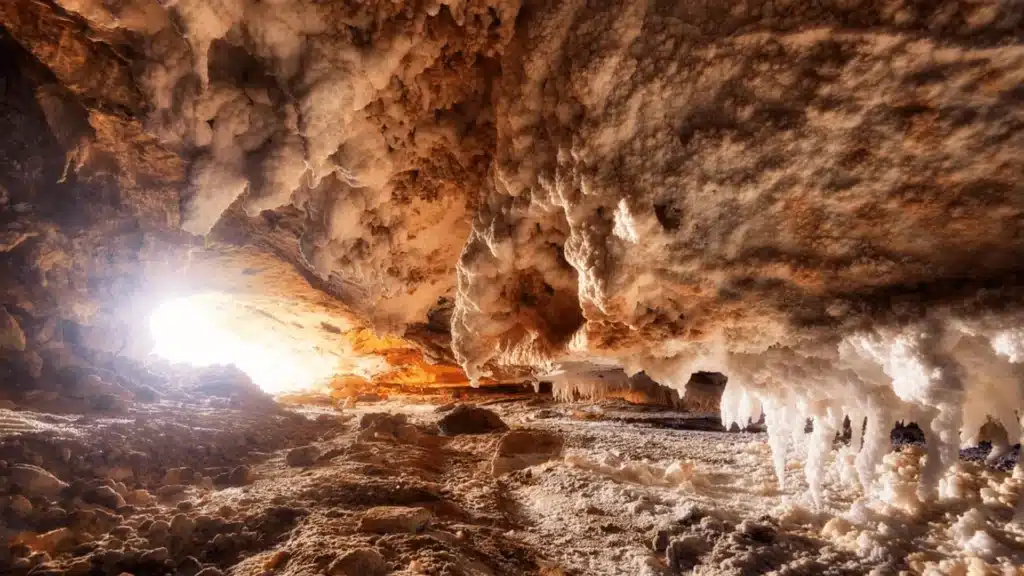
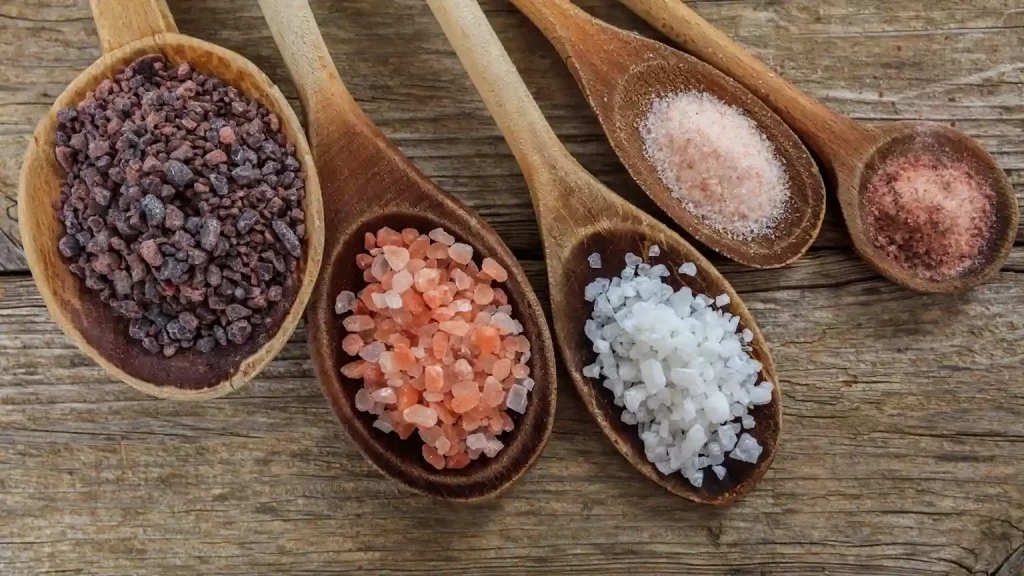
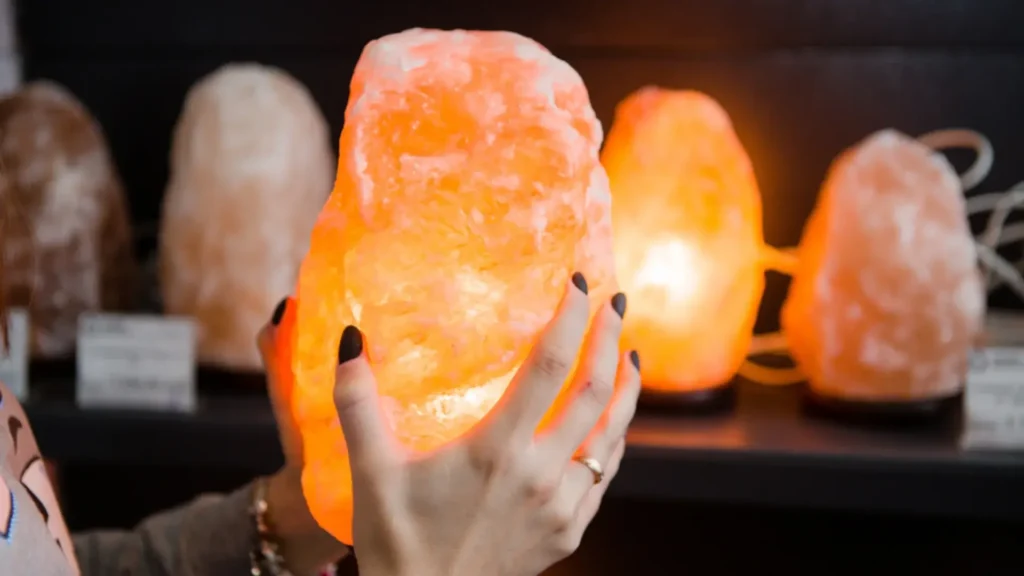
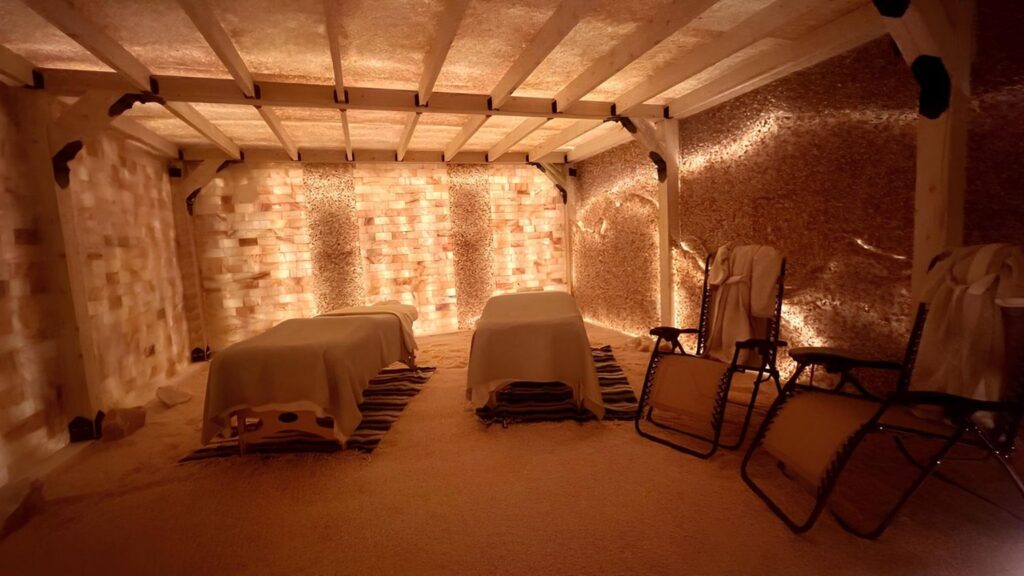
How to Build a Salt Cave at Home for Relaxation and Wellness Salt caves are becoming increasingly popular worldwide for their calming atmosphere and wellness benefits. From spas to wellness centers, more people are turning to salt therapy (halotherapy) as a natural way to relax, improve breathing, and reduce stress. The good news is you don’t have to visit a spa to enjoy these benefits. You can build a salt cave right in your own home. In this guide, you’ll learn how to build a salt cave step by step, what materials you’ll need, how much it may cost, and some creative salt room ideas to inspire your own relaxing sanctuary. Table of Contents What Is a Salt Cave? A salt cave (also called a salt room) is a wellness space designed with salt-covered walls, floors, and calming lights to create a natural environment similar to underground salt mines. These spaces are used for halotherapy, the practice of breathing in dry salt particles for potential health and relaxation benefits. While commercial salt caves are often large, you can easily design a DIY salt room in your own home for personal use. Benefits of Building a Salt Cave at Home Before jumping into construction, let’s look at why people are creating salt caves at home: Relaxation & Stress Relief – The warm glow of Himalayan salt and peaceful environment helps reduce anxiety. Respiratory Health Support – Dry salt particles may help open airways and ease breathing. Improved Air Quality – Salt naturally attracts moisture and can help reduce pollutants. Spa-Like Experience at Home – No need to book appointments you’ll have your own private wellness space. Planning Your Salt Cave: What to Consider Before starting, think about these important factors: Choose the Right Space – Basements, spare rooms, or even a section of a large bedroom can work. Room Size – Smaller spaces (6×6 ft.) can be cozy, while larger ones allow for multiple users. Budget – Decide how much you want to invest. DIY projects can be done on a budget, while professional salt rooms cost more. Purpose – Will your salt cave be for meditation, yoga, or simply relaxation? Knowing the purpose helps guide the design. Key Fact: A well-designed salt cave can replicate the microclimate of natural salt mines, creating a space where just 30–45 minutes of relaxation may equal a full day at the beach in terms of salt-air exposure. Materials and Equipment You’ll Need Here’s a basic checklist of what you’ll need to build your salt cave at home: Himalayan Salt Bricks or Tiles – Used for walls and flooring. Loose Himalayan Salt Granules – Can be spread on the floor for a sandy, natural feel. Lighting – Warm LED lights or hidden lamps to create a relaxing glow. Ventilation System or Halogenerator (Optional) – Helps circulate salt particles in the air. Comfortable Furniture – Recliners, chairs, or yoga mats. Décor Additions – Plants, essential oil diffusers, or sound systems for soothing music. Sobaan Salts provide authentic Himalayan salt that can be used in salt room construction, ensuring both beauty and authenticity. Step-by-Step Guide: How to Build a Salt Cave at Home Now let’s dive into the practical process: 1. Select the Right Room Choose a quiet room where you won’t be disturbed. Basements and spare rooms work best since they allow better control of lighting and temperature. 2. Install Salt Walls Cover the walls with Himalayan salt bricks or tiles. You can either fix them permanently or use backlit salt panels for a glowing effect. 3. Prepare the Flooring Spread a thick layer of loose salt granules across the floor, or use salt tiles for a polished look. Many people prefer a mix of both. 4. Add Soft, Ambient Lighting Avoid harsh lights. Instead, install hidden LEDs behind salt bricks or use salt lamps for a warm, calming atmosphere. 5. Ensure Air Circulation If possible, add a halogenerator or ventilation system to circulate dry salt particles. This enhances the halotherapy effect. 6. Furnish for Comfort Include comfortable recliners, floor cushions, or yoga mats. Remember the space should encourage relaxation. 7. Personalize the Décor Add natural touches like plants, candles, or sound systems that play soft music. This turns your salt cave into a wellness retreat. Read More: How To Make Himalayan Salt Bricks Room How Much Does It Cost to Build a Salt Room? The cost of building a salt cave at home depends on size, materials, and design choices: Small DIY Salt Cave (basic setup): $1,000 – $3,000 Medium Room with Salt Walls + Décor: $5,000 – $10,000 Luxury Salt Cave (professional build): $15,000+ If you’re working on a budget, focus on using Himalayan salt bricks, soft lighting, and DIY décor ideas. This way, you still get the full wellness effect without overspending. Key Fact: The global salt therapy market is growing rapidly and is projected to surpass $2 billion by 2030, which means building a salt cave today isn’t just about wellness it could also be a profitable long-term investment. Salt Room Ideas for Home Here are some creative ways to design your salt cave: Meditation Salt Room – Add yoga mats, meditation cushions, and dim lighting. Wellness Corner – A small section of your bedroom or basement designed with salt walls. Kids’ Relaxation Salt Cave – A playful design with soft salt flooring and gentle lights. Yoga & Healing Space – Combine salt therapy with yoga practice for double relaxation. Common Mistakes to Avoid When Building a Salt Cave Using Low-Quality Salt – Always choose authentic Himalayan salt for durability and wellness value. Poor Lighting Choices – Harsh, bright lights ruin the atmosphere. Stick with soft, warm lighting. Ignoring Ventilation – Without airflow, the room can feel stuffy. Overcrowding the Space – Keep the design minimal and calming. DIY vs Professional Salt Cave Construction Aspect DIY Salt Cave Professional Salt Cave Construction Cost More budget-friendly, but requires research and time to source materials. Higher upfront cost but includes expertise, design, and
How to Build a Salt Cave at Home Read More »