Uncategorized

Black Salt vs Pink Salt Key Differences, Benefits & Best Uses

Black Salt vs Pink Salt: Key Differences, Benefits & Best Uses Explained

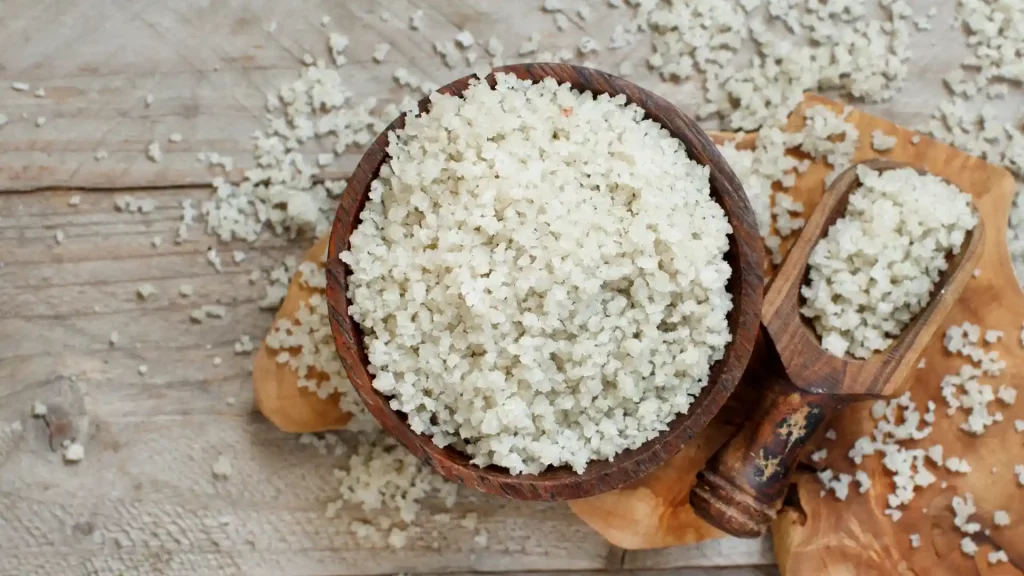
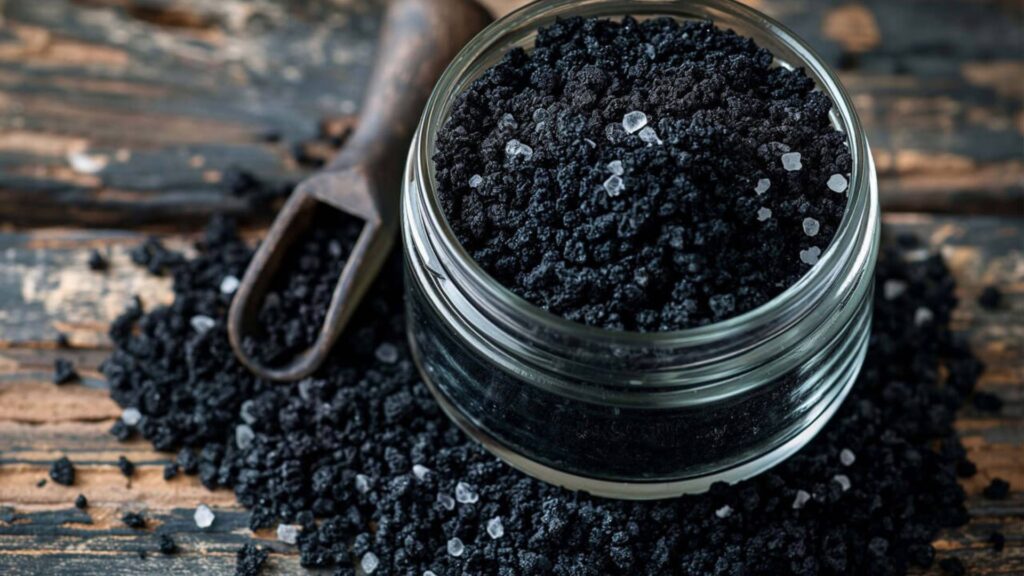
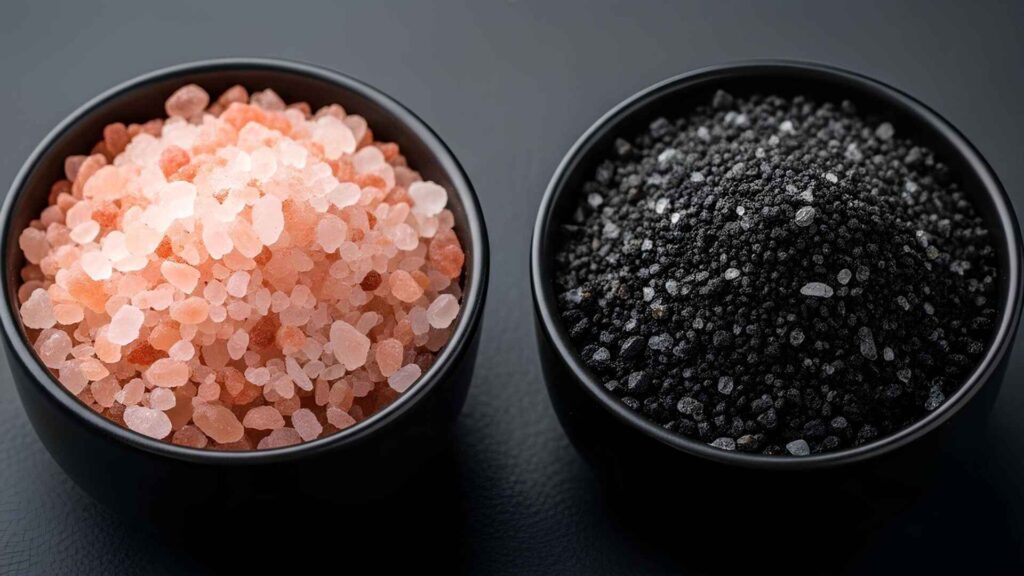
Black Salt vs Pink Salt: Key Differences, Benefits & Best Uses Explained Salt is a daily part of our lives. From kitchens to wellness routines, the type of salt we choose can impact both taste and health. Among the many varieties, black salt (Kala Namak) and pink Himalayan salt are two of the most popular natural options. Both are mined from the Himalayan region and are known for their unique color, taste, and mineral content. But what exactly sets them apart? In this guide, we’ll compare black salt vs pink salt, looking at their origins, compositions, health benefits, and how they’re used. This will help you understand which one might be right for your diet or wellness routine. Table of Contents What Is Black Salt (Kala Namak)? Black salt, also known as Kala Namak, is a volcanic rock salt commonly used in South Asian cuisine. Despite its name, its color can range from dark brown to pinkish-gray, and when ground, it usually appears dark purple or black. What makes black salt unique is its sulfur-rich aroma and tangy, slightly egg-like flavor. This distinctive smell and taste come from natural sulfur compounds created during the heating and curing process. It’s often used in: Chaats and chutneys Vegan and eggless recipes (as a flavor enhancer) Ayurvedic remedies for digestion and bloating What Is Pink Himalayan Salt? Himalayan pink salt is a mineral-rich salt mined from the Khewra Salt Mine in Pakistan. It’s known for its light pink to deep rose hue, which comes from trace minerals like iron, magnesium, and potassium. Unlike table salt, it’s minimally processed and often comes in large crystals or fine powder. Common uses include: Cooking and seasoning Salt lamps Bath soaks and detox scrubs Sole water (hydration) Difference Between Black Salt and Pink Salt: A Quick Overview Feature Black Salt (Kala Namak) Pink Himalayan Salt Color Dark purple to black Light pink to reddish Taste Pungent, sulfuric, tangy Mild, clean, slightly sweet Smell Strong sulfur smell No noticeable smell Main Use Flavoring, digestive aid Cooking, hydration, wellness Processing Heated with herbs and charcoal Mined and ground, minimal processing Popular In South Asia, vegan cooking Global health and gourmet circles Nutritional Composition: Minerals in Black Salt vs Pink Salt Both salts are rich in natural minerals, but they differ in composition. Trace Minerals in Pink Salt: Iron: gives it the pink color and supports oxygen transport in the body Magnesium: important for muscle and nerve function Calcium: supports bone health Potassium: helps maintain fluid balance Zinc, Chromium, and Manganese: found in small amounts Pink salt may contain 84 trace minerals, though in very small quantities. It’s often chosen for those looking for a natural, unprocessed alternative to table salt. Minerals in Black Salt: Iron and Magnesium: like pink salt Sulfur Compounds: responsible for their strong taste and digestive properties Sodium: slightly lower than table salt, making it a good alternative for some diets If you’re wondering how to identify real Himalayan salt, pink salt often comes in natural crystal chunks or powder without any added chemicals. Black salt has a very specific sulfur smell and should not taste salty like regular table salt. Read More: Does Black Salt Expire Health Benefits Compared Black And Pink Salt Health Benefits of Black Salt (Kala Namak): Supports digestion and reduces bloating It may help relieve heartburn and gas Believed to balance electrolytes in traditional medicine Often used in Ayurveda for detox and energy Health Benefits of Pink Himalayan Salt: Hydration support when used in sole water Natural detox when added to baths May improve mineral balance in small quantities Gentle on the body due to the lack of additives Culinary Uses of Black Salt vs Pink Salt Kala Namak in Cooking: Black salt’s sulfur taste makes it ideal for: Vegan recipes to mimic egg flavor Fruit salads, chaat, raitas Sprinkling on boiled eggs, cucumbers, or fried snacks Pink Himalayan Salt in Cooking: Pink salt is widely used as: A general-purpose cooking salt Finishing salt for roasted vegetables or grilled meats Salt block for grilling or serving cold dishes Sole water or detox drinks Which Salt Is Better for You? It depends on your needs. Choose black salt if: You want digestive benefits You enjoy bold, tangy flavors You follow a vegan or Ayurvedic lifestyle Choose pink Himalayan salt if: You want a mineral-rich cooking salt You’re replacing table salt for wellness You need salt for baths, hydration, or skin care Read More: Understanding the Black Salt Market – Quality, Grades & Buying Tips Final Thoughts When comparing black salt vs pink salt, both bring something unique to the table. Whether it’s the sulfur-rich Kala Namak used for digestion or the mineral-rich Himalayan pink salt known for wellness and hydration, each has its benefits. Understanding the difference between black salt and pink salt helps you choose the right one based on your taste, health goals, and daily use. For those looking for real Himalayan salt, always check the source, texture, and processing method to ensure quality. Natural color variations, rough texture, and minimal processing are good signs of authenticity. Read Our Latest Salt Market Guides:  Bulk Himalayan Salt Procurement: Navigating the Pakistani Market The Growing Demand for Himalayan Pink Salt in the Global Market The global gourmet salt market; encompassing specialty salts like pink and black salt, was valued at around USD 1.35 billion in 2024 and is projected to rise to USD 2.75 billion by 2033, growing at about 7.9% CAGR. This growth is driven by culinary trends and increasing demand for premium, natural salts. (Source: Straits Research) Share This Post Article By Zayan Rauf Zayan Rauf is a dedicated writer with a passion for natural wellness and Himalayan salt products. With a strong interest in holistic living and sustainable sourcing, he shares valuable knowledge on how salt-based solutions can improve everyday life. At Sobaan Salts, Zayan is committed to helping readers discover the many benefits of mineral-rich products through clear, well-researched content. our latest posts What Does Salt Do In

Black Salt vs Pink Salt: Key Differences, Benefits & Best Uses Explained Read More »

Himalayan Salt Detox Benefits & How to Use It Safely

The Ultimate Guide to Himalayan Salt Detox: Benefits, Methods, and How It Works

The Ultimate Guide to Himalayan Salt Detox: Benefits, Methods, and How It Works Himalayan pink salt is more than just a pretty seasoning for your food. It’s packed with natural minerals and has become a popular ingredient in wellness routines, especially for detoxing the body. In this guide, we’ll explore how Himalayan salt can help cleanse your system, relax your body, and support your overall well-being. Whether you’re soaking in a salt bath or sipping salt water, this guide will walk you through everything you need to know. Table of Contents Benefits of Himalayan Salt Detox A Himalayan salt detox uses the natural minerals in pink salt to help your body release toxins. It can be done in different ways, like soaking in a salt bath, drinking a saltwater solution (called sole water), or using salt scrubs. These methods are believed to help: Cleanse the skin Soothe sore muscles Improve circulation Support relaxation and stress relief It’s a simple and natural way to give your body a gentle reset. Himalayan Pink Salt Mineral Analysis Many people turn to Himalayan salt detox methods for their relaxing and restorative effects. Here are some common benefits: 1. Natural Detoxification: Warm salt baths may help draw out toxins through the skin while promoting healthy sweating. 2. Skin Health: Minerals like magnesium and potassium can soften skin, reduce dryness, and soothe irritation. 3. Muscle Relaxation: The warm water and minerals can ease muscle tension, making it great after a workout or stressful day. 4. Stress Relief: Taking time for a salt bath or a relaxing scrub routine helps calm your mind and body. 5. Circulation Boost: The minerals may stimulate better blood flow, leaving you feeling more energized and refreshed. Read More: What is Himalayan Salt Soap Popular Detox Methods with Himalayan Salt Here are three simple ways you can try a Himalayan salt detox at home: 1. Salt Bath Detox How to prepare a salt bath: Fill your bathtub with warm (not hot) water Add 1 to 2 cups of Himalayan pink salt Soak for 20 to 30 minutes Rinse off and rest afterward This is one of the most popular ways to enjoy the detox effects of salt. Tip: Use bath-grade salt to avoid irritation and make sure it’s pure. You Can Also Check This Post: Side Effects Of Pink Himalayan Salt Bath What You Need To Know 2. Sole Water (Saltwater Drink) Sole water is made by dissolving Himalayan salt in water and drinking a small amount each morning. How to make sole water: Add Himalayan pink salt to a glass jar of water until it no longer dissolves Let it sit overnight In the morning, add 1 teaspoon of sole water to a glass of regular water and drink on an empty stomach Note: Always consult your doctor before starting a saltwater detox, especially if you have any health conditions. 3. Salt Scrubs Scrubs made with Himalayan salt are great for exfoliating and detoxing your skin. DIY Recipe: Mix 1/2 cup of pink salt with coconut oil or olive oil Add a few drops of essential oil (optional) Gently scrub on your skin during a shower Who Should Try a Himalayan Salt Detox? Anyone looking for a natural way to unwind, refresh their skin, or support wellness can benefit from Himalayan salt detox methods. It’s especially popular among: Spa and wellness enthusiasts People with sore muscles Those looking to reduce stress naturally Safety and Precautions Himalayan salt detox is generally safe for most people, but it’s always smart to be cautious: Avoid if you have high blood pressure or kidney issues Pregnant women should consult a doctor before trying Don’t overuse salt baths or scrubs – 2-3 times a week is enough Listen to your body, and stop if you feel any discomfort. Final Thoughts A Himalayan salt detox isn’t just a trend – it’s a natural, time-tested method that many people use to feel better inside and out. Whether you’re soaking in a warm salt bath, using a scrub, or trying sole water, these simple rituals can add a sense of calm and well-being to your life. At Sobaan Salts, we supply high-quality, pure Himalayan pink salt that’s perfect for detox and wellness use. If you’re ready to start your journey, explore our detox-grade bath salts and wellness products. Bath Spa Industry Growth: The global bath salts market—of which Himalayan salt products are a key segment—was valued at approximately USD 1.12 billion in 2023 and is projected to reach USD 1.86 billion by 2032, growing at a CAGR of 5.6%. This trend reflects increasing consumer interest in wellness and self-care rituals, including Himalayan salt baths. (Source: Data Intelo) Share This Post Article By Zayan Rauf Zayan Rauf is a dedicated writer with a passion for natural wellness and Himalayan salt products. With a strong interest in holistic living and sustainable sourcing, he shares valuable knowledge on how salt-based solutions can improve everyday life. At Sobaan Salts, Zayan is committed to helping readers discover the many benefits of mineral-rich products through clear, well-researched content. our latest posts What Does Salt Do In Baking? What Is Chinen Salt? How To Use Salt For Food Preservation Benefits of Animal Salt Lick

The Ultimate Guide to Himalayan Salt Detox: Benefits, Methods, and How It Works Read More »

How to Use Pink Himalayan Salt for Daily Hydration - Sobaan Salts

How to Use Pink Himalayan Salt for Daily Hydration

How to Use Pink Himalayan Salt for Daily Hydration Staying hydrated is one of the most important things you can do for your body. While most people rely only on water, adding a pinch of pink Himalayan salt to your daily routine can actually improve hydration and support your overall health. In this guide, we’ll explore how pink Himalayan salt for hydration works, how to use it safely, and why so many people include it in their wellness habits. Table of Contents Why Hydration Matters Hydration isn’t just about drinking water, it’s about keeping your body’s fluids balanced. When you sweat, exercise, or even breathe, your body loses not just water, but also important minerals like sodium, potassium, and magnesium. If you drink plain water but don’t replace those minerals, it can lead to an imbalance. That’s where pink Himalayan salt comes in. What Makes Pink Himalayan Salt Different? Pink Himalayan salt is a natural salt mined from the Himalayan mountains. It’s known for its soft pink color and its rich mineral content, including small amounts of calcium, potassium, and magnesium. These minerals are helpful for supporting: Better hydration Muscle function Nerve signals Overall energy balance Unlike regular table salt, Himalayan salt is less processed and doesn’t contain added chemicals or anti-caking agents. How Pink Himalayan Salt Supports Hydration When mixed with water, the minerals in Himalayan salt help your body absorb and retain fluids more efficiently. This can be especially helpful if: You sweat a lot during exercise You live in a hot climate You feel tired or dizzy often You’re trying to avoid sugary sports drinks Some people use a simple drink called sole water, a mix of water and pink Himalayan salt to support hydration throughout the day. Read More: Health Benefits Of Drinking Himalayan Salt Water How to Make Sole Water for Hydration Here’s a safe and simple way to make sole water: You’ll Need: A glass jar with a lid 1 cup of filtered water 1–2 tablespoons of pink Himalayan salt (fine or coarse) Steps: Add the salt to the jar of water. Let it sit overnight. The salt will dissolve until the water is fully saturated. In the morning, take 1 teaspoon of the salty solution and mix it into a full glass of plain water. Drink it first thing in the morning, on an empty stomach. Important Tip: You don’t need to drink the salty water itself,  just the small diluted portion. Always use clean water and don’t overdo it. Is It Safe for Everyone? For most people, using a small amount of pink Himalayan salt daily is safe. However: If you have high blood pressure or kidney issues, ask your doctor first. Don’t add extra salt to your meals if you’re already using sole water. Sticking to a moderate amount of salt can be harmful. You Might Also Like To Read: Health Benefits Of Himalayan Pink Salt Other Easy Ways to Use Pink Salt for Hydration If sole water isn’t for you, here are other options: Add a small pinch of pink salt to your post-workout water Mix it with lemon juice and water for a natural electrolyte drink Use it in homemade soups or broths for a mineral boost Final Thoughts Pink Himalayan salt for hydration is a simple and natural way to support your body’s fluid balance. Whether you use it in sole water or just a small pinch in your daily drinks, the key is balance and consistency. Sobaan Salts offers pure, food-grade pink Himalayan salt that’s perfect for daily wellness routines. Always choose high-quality salt to ensure you’re getting the natural benefits and none of the additives. Market Insight on Himalayan Salt: The global pink Himalayan salt market was valued at approximately USD 1.04 billion in 2023, and it’s projected to nearly double to USD 2.5 billion by 2032, growing at a compound annual growth rate (CAGR) of around 10.3%. (Source: Market Research Future) Share This Post Article By Zayan Rauf Zayan Rauf is a dedicated writer with a passion for natural wellness and Himalayan salt products. With a strong interest in holistic living and sustainable sourcing, he shares valuable knowledge on how salt-based solutions can improve everyday life. At Sobaan Salts, Zayan is committed to helping readers discover the many benefits of mineral-rich products through clear, well-researched content. our latest posts What Does Salt Do In Baking? What Is Chinen Salt? How To Use Salt For Food Preservation Benefits of Animal Salt Lick

How to Use Pink Himalayan Salt for Daily Hydration Read More »

Mineral Composition of Himalayan Pink Salt

Understanding the Mineral Composition of Himalayan Pink Salt

Mineral Composition of Himalayan Pink Salt and Its 84 Natural Elements Himalayan pink salt is prized not just for its color and purity, but also for its rich mineral composition. Known to contain up to 84 trace minerals, this natural salt has become popular in kitchens, wellness routines, and health circles worldwide. From calcium and magnesium to iron and potassium, the unique blend of minerals in Himalayan pink salt gives it more than just flavor, it offers a natural source of nutrients that support overall well-being. In this blog, we’ll explore the full mineral profile of pink Himalayan salt, its benefits, and why so many people prefer it over refined table salt. Table of Contents What’s Inside Himalayan Pink Salt? Himalayan pink salt is made up of about 95–98% sodium chloride, which is the same basic ingredient in regular salt. The rest is made up of other minerals, which give it both its pink color and extra value. These minerals are what set it apart from other types of salt. Himalayan Pink Salt Mineral Analysis In addition to sodium, Himalayan pink salt contains small amounts of other minerals. These include: Calcium, which helps keep bones strong Magnesium, which supports muscles and nerves Potassium, which helps control fluid levels in the body Iron, which gives the salt its pink color and helps with red blood cell production Zinc and Phosphorus, which support overall health Although these minerals are only present in small amounts, they still play a part in the salt’s overall benefit. Read More: Does Himalayan Pink Salt Have Iodine Key Minerals in Himalayan Pink Salt Himalayan pink salt contains a wide range of trace minerals that give it its unique color, flavor, and health-supporting properties. Here are some of the most important minerals found in this natural salt: 1. Magnesium Magnesium supports muscle function, helps manage stress, and plays a vital role in over 300 biochemical reactions in the body. It’s one of the key minerals that makes Himalayan salt a wellness favorite. 2. Potassium Potassium helps balance fluid levels in the body, supports healthy blood pressure, and is essential for proper nerve and muscle function. 3. Iron Iron gives pink salt its distinct rosy hue. It also supports oxygen transport in the blood and helps fight fatigue and weakness. 4. Calcium Known for strengthening bones and teeth, calcium is also important for muscle movement and nerve signaling. Himalayan salt contains small amounts that contribute to your daily intake. 5. Iodine While Himalayan salt contains only trace amounts of natural iodine, it can still support thyroid function to some extent. However, it shouldn’t replace iodized salt if iodine intake is a concern. 6. Manganese Manganese supports bone development, metabolism, and the formation of antioxidants. Even in small amounts, it plays an important role in body function. Read More: Antibacterial Properties Of Himalayan Salt 7. Vanadium Though needed in only tiny amounts, vanadium may support insulin activity and help with carbohydrate metabolism. 8. Chromium Chromium plays a role in blood sugar control and how the body uses carbohydrates and fats. It’s another trace mineral that adds value to Himalayan pink salt. Trace Minerals in Himalayan Salt: Do They Matter? Even though the trace minerals in Himalayan salt are very limited in quantity, they are part of what makes this salt feel more natural and less processed. These minerals are not normally found in regular table salt, which is often cleaned and treated with chemicals. While Himalayan salt shouldn’t be treated like a vitamin supplement, many people still prefer it for its more natural mineral profile. Himalayan Salt Nutritional Content Here’s a quick look at the average nutritional values found in 1 gram of Himalayan pink salt: Sodium – around 368 mg Calcium – about 1.6 mg Potassium – about 2.8 mg Magnesium – about 1 mg Iron – very small amount These values may vary slightly based on where the salt is mined, but they give a general idea of what you get in each pinch of salt. You might also like to read Types Of Grains In Himalayan Salt. Himalayan Salt Purity Levels One of the biggest reasons people choose Himalayan salt is because of its purity. It is mined from salt deposits that are over 250 million years old and protected underground. This means it hasn’t been exposed to modern pollution or harmful chemicals. Trusted suppliers like Sobaan Salts make sure the salt is naturally cleaned and free of harmful substances. It’s usually hand-mined and minimally processed to keep its original qualities intact. Final Words Himalayan pink salt is valued not just for its Pink color but for its natural mineral content. Known to contain up to 84 trace minerals, this salt offers a more authentic and less processed option compared to regular table salt. While it’s not a substitute for medical treatment or supplements, many people choose it as a healthier alternative for daily use. Knowing what the 84 minerals in Himalayan pink salt are helps you choose better for your health. For those seeking purity and trusted quality, Sobaan Salts offers Himalayan pink salt that delivers the natural benefits of all 84 minerals in Himalayan pink salt. Himalayan pink salt, mined primarily from Pakistan’s Khewra Salt Mine, is often praised for its mineral content. A 2020 study found it contains approximately 2695 mg/kg calcium, 2655 mg/kg magnesium, and 2406 mg/kg potassium, significantly more than table salt. These minerals give the salt its distinctive color but are present in small amounts, offering limited nutritional benefits in typical servings. (Source: PubMed Central) References: 1. Khan et al., 2017, Pakistan Journal of Scientific & Industrial Research. “Chemical Characterisation of Himalayan Rock Salt.” https://v3.pjsir.org/index.php/physical-sciences/article/download/10/9/  2. USGS (U.S. Geological Survey). “Salt, Sodium, Chlorine.” https://www.usgs.gov/media/images/salt-sodium-chlorine 3. Di Salvo E. et al., 2023, Toxics (MDPI). “Gourmet Table Salts: The Mineral Composition Showdown.” https://www.mdpi.com/2305-6304/11/8/705 What is Pink Himalayan Salt? Himalayan pink salt is a type of rock salt mined in Pakistan, in theSalt Range south of the Himalayas.[8] The pink tint may comefrom

Understanding the Mineral Composition of Himalayan Pink Salt Read More »

Benefits of Sourcing Himalayan Pink Salt in Bulk

The Benefits of Sourcing Himalayan Pink Salt in Bulk for Food Manufacturers 

The Benefits of Sourcing Himalayan Pink Salt in Bulk for Food Manufacturers  Himalayan pink salt is more than just a trendy ingredient — it’s a premium mineral salt with a distinct flavor, vibrant color, and rich trace mineral content. As consumer demand for clean-label, gourmet, and functional foods continues to rise, food manufacturers are turning to Himalayan pink salt as a value-added ingredient. At Sobaan Salts, a globally trusted Himalayan pink salt manufacturer, we specialize in supplying food manufacturers with bulk quantities of high-quality salt — tailored, certified, and delivered on time. Here’s why bulk sourcing from us is a smart move for your brand. Table of Contents The Competitive Advantages of Bulk Sourcing Himalayan Pink Salt 1. Cost Efficiency at Scale Buying Himalayan pink salt in bulk significantly reduces per-unit costs, packaging waste, and shipping frequency. These savings can be reinvested into product development or marketing — helping your brand grow without compromising on quality. At Sobaan Salts, our efficient supply chain, in-house processing, and direct-from-mine access allow us to offer unbeatable prices while ensuring consistent quality. 2. Uninterrupted Supply, Always On Time Delays in raw material supply can cripple food production lines. With Sobaan Salts, your business benefits from a reliable global distribution network and robust logistics to ensure timely delivery — whether you’re producing small-batch artisan goods or large-scale commercial foods. We’re proud to support food manufacturers across North America, Europe, and the Middle East with dependable Himalayan pink salt deliveries. 3. Custom Solutions for Unique Product Needs Your recipes are unique — and your ingredients should be too. Sobaan Salts offers customizable solutions including: Grain sizes (fine, medium, coarse) Special blends Private-label packaging Let us help you create signature products with our tailored Himalayan salt options — from seasoning blends to gourmet snacks. Read More: How Use Himalayan Salt For Cooking Tips And Recipes Commitment to Quality: Experience and Trust You Can Rely On Rigorous Testing & Certifications Our salts undergo extensive quality control at every stage — from sourcing to final packaging. Our in-house laboratories test for: Mineral consistency Purity levels Food-grade compliance Sobaan Salts is ISO-certified and follows HACCP and GMP protocols, ensuring that your products are always safe, compliant, and top-tier in quality. For more information check Sobaan Salts Company Profile. First-Hand Sourcing Expertise We don’t just resell — we source directly from authentic Himalayan salt mines in Pakistan. Our team has first-hand experience working at the origin, enabling full traceability and unmatched product knowledge. We’re not middlemen — we are the source. Popular Food Industry Applications Himalayan pink salt’s versatility makes it a sought-after ingredient in various food categories: Gourmet Snacks: Enhances flavor in chips, popcorn, nuts, and granola bars. Artisan Baking: Used in pretzels, sourdough bread, and savory pastries. Frozen & Ready Meals: Adds visual appeal and clean flavor to soups, sauces, and meal kits. Cured Meats & Charcuterie: Ideal for dry-aging, curing, and preserving meats with a gourmet edge. Seasoning Blends: Base for high-end spice mixes and seasoning rubs. Why Leading Food Brands Choose Sobaan Salts Sobaan Salts is more than a supplier — we’re a strategic partner. Here’s what sets us apart: Experience: Decades of hands-on expertise in Himalayan salt production and food industry compliance. Innovation: Custom formulations, private labeling, and packaging flexibility to support your brand goals. Sustainability: Ethical sourcing, environmentally conscious operations, and sustainable packaging options. Client Support: End-to-end guidance and dedicated service — from your first order to final delivery. Elevate Your Brand with Sobaan Salts In a competitive food market, sourcing matters. Sobaan Salts offers the quality, consistency, and customization that food manufacturers need to succeed. Our Himalayan pink salt isn’t just an ingredient — it’s a brand differentiator. Save Big, Scale Fast: Bulk Himalayan pink salt is available for as low as $0.15/kg, helping food manufacturers boost profit margins. With the global market projected to hit $670M+ by 2030, now’s the time to ride the clean-label trend. (Source: Grand View Research) Share This Post Article By Zayan Rauf Zayan Rauf is a dedicated writer with a passion for natural wellness and Himalayan salt products. With a strong interest in holistic living and sustainable sourcing, he shares valuable knowledge on how salt-based solutions can improve everyday life. At Sobaan Salts, Zayan is committed to helping readers discover the many benefits of mineral-rich products through clear, well-researched content. our latest posts What Does Salt Do In Baking? What Is Chinen Salt? How To Use Salt For Food Preservation Benefits of Animal Salt Lick

The Benefits of Sourcing Himalayan Pink Salt in Bulk for Food Manufacturers  Read More »

Reasons Why You Must Have a Himalayan Salt Lamp in Every Room

How To Decorate With Himalayan Salt Products A Unique Guide

How to Decorate with Himalayan Salt Products A Unique Guide These unique lamps and decor items are believed to purify the air, boost mood, and even improve sleep. This guide will delve into how you can use these remarkable products to transform your home into a warm, welcoming haven while enjoying their potential health benefits Adding Himalayan salt lamps to your interior decor is more than just a trend; it’s a lifestyle choice that merges aesthetics with wellness. Let’s explore some unique and creative options to illuminate your home while enhancing its charm and ambiance. Table of Contents Embracing Unique Himalayan Salt Lamp Designs The Enchanting Glow of Full Moon Salt LampsImagine a soft, moon-like glow casting a warm and soothing ambiance in your living room. The Full Moon Himalayan Salt Lamp, with its perfectly spherical shape, mimics the serene beauty of a full moon. It’s ideal for creating a peaceful atmosphere in bedrooms or meditation spaces, adding a touch of celestial charm to your decor. Ingot-Shaped Salt Lamps A Modern Twist on Classic DesignFor those who favor a sleek, contemporary aesthetic, the Ingot-Shaped Himalayan Pink Salt Lamp is a perfect fit. Resembling a solid bar of salt, it stands out as a unique piece that effortlessly blends into modern decor. This lamp is not just an eye-catcher; its block-like structure symbolizes strength and stability, making it an excellent choice for offices or study rooms. Pebble Tower Lamps A Symbol of Balance and HarmonyThe Pebble Tower Salt Lamp, designed to resemble a stack of balanced stones, serves as a visual reminder of tranquility and balance. Placed in living rooms or yoga studios, it enhances the space’s sense of harmony, contributing to a relaxing and serene environment. Leaf-Shaped Salt Lamps Nature’s Elegance IndoorsBring a piece of nature into your home with the Leaf-Shaped Himalayan Salt Lamp. This uniquely carved lamp adds an organic touch to any decor. Its gentle glow complements natural wood furnishings and green plants, making it a great choice for nature-themed rooms or spaces aiming for a biophilic design. Geometric Beauty with Penny Cube and Dehumidifier Cube LampsGeometric shapes in home decor are always in style. The Penny Cube Shape and Natural Dehumidifier Cube Himalayan Crystal Salt Lamps combine aesthetics with functionality. The latter not only illuminates but also helps reduce humidity, making it a dual-purpose addition perfect for basements or bathrooms. Pyramid and Raindrop Shapes For Those Who Love the UniqueThe hand-carved Pyramid and Raindrop Himalayan Crystal Salt Lamps are designed for those who prefer a more artistic approach to interior decor. The Pyramid shape represents stability and power, while the Raindrop shape introduces a fluid, calming element, perfect for creating a zen-like ambiance in any space. The Purity of the Egg, Diamond, and Ball-Shaped LampsThe Egg, Diamond, and Ball-shaped salt lamps bring purity and simplicity to your decor. Their smooth, rounded forms emit a soft, uniform light that is both calming and uplifting. Ideal for nurseries, children’s rooms, or any area where a gentle, nurturing glow is desired. Incorporating Himalayan Salt Lamps into Your Home Decor Himalayan salt lamps are versatile decor pieces that can enhance various aspects of your home’s interior design. Here are some creative ideas to inspire you: Strategic Placement for Maximum Impact Creating Focal Points in Living Spaces    Place a Himalayan salt lamp as a focal point in your living room or entryway to draw attention and create a warm, welcoming atmosphere. Whether on a console table or a fireplace mantle, these lamps can serve as both functional and decorative elements. Accent Lighting for a Soft, Ambient GlowUse Himalayan salt lamps as accent lighting in dimly lit corners or on side tables to create a cozy nook perfect for reading or relaxation. Their gentle light provides a soothing alternative to harsh overhead lights. Transforming Nightstands into Sleep SanctuariesA salt lamp on your nightstand can act as a calming night light, ideal for creating a serene environment conducive to sleep. Its soft glow helps maintain a restful ambiance without disrupting sleep cycles. Enhancing Bathroom Decor with Subtle Lighting Add a touch of luxury to your bathroom decor with a Himalayan salt lamp. Its natural light enhances relaxation during baths, providing a spa-like experience at home. Unveiling the Health Benefits of Himalayan Salt Lamps Beyond Decor The Wellness Advantages of Himalayan Salt Lamps  Himalayan salt lamps are not just decorative; they are believed to offer several health benefits. Here’s a closer look at how these unique pieces can contribute to your well-being: Air Purification and Improved Air Quality Himalayan salt lamps are often touted for their ability to purify the air. They are believed to attract moisture and airborne particles, which then adhere to the salt’s surface. This process, known as hygroscopy, can help reduce pollutants, allergens, and dust, improving indoor air quality. Mood Enhancement and Emotional Balance  The soft, warm glow emitted by Himalayan salt lamps is known to create a calming atmosphere that can help alleviate stress and anxiety. It’s said that exposure to this type of light can increase serotonin levels in the brain, promoting a sense of happiness and emotional stability. Better Sleep and Enhanced Relaxation  Many users claim that Himalayan salt lamps help them sleep better. The soothing light is less likely to disrupt circadian rhythms compared to blue or white lights from electronic devices. Placing a salt lamp in your bedroom can create a tranquil environment that promotes restful sleep. Conclusion Decorating with Himalayan salt products offers a unique blend of aesthetic appeal and potential health benefits. From enhancing your decor with natural beauty to creating a serene environment that promotes relaxation and wellness, Himalayan salt lamps are a versatile addition to any home. So, whether you are looking to improve your home’s ambiance or explore the potential benefits of these natural wonders, Himalayan salt lamps offer an exciting opportunity to enhance your living space in more ways than one. Share This Post Article By Zayan Rauf Zayan Rauf is a dedicated writer with a passion

How To Decorate With Himalayan Salt Products A Unique Guide Read More »

Himalayan Salt Lamp Replacement

Himalayan Salt Lamp Bulb Replacement

Himalayan Salt Lamp Bulb Replacement: Reviving the Radiance of Your Unique Decor Himalayan salt lamps are more than just a pretty face; they offer a range of potential benefits, from natural air purification to mood enhancement. But when the bulb burns out, it can leave your unique decor feeling a bit lackluster. Fear not, dear reader! In this comprehensive guide, we’ll walk you through the process of replacing the bulb in your Himalayan salt lamp, ensuring your space stays illuminated with the warm, soothing glow you love. How to Change the Bulb in Your Himalayan Salt Lamp: A Step-by-Step Illumination Guide Changing the bulb in your Himalayan salt lamp is a simple task that anyone can master. Follow these easy steps to restore the light in your life: Unplug the lamp and allow it to cool completely. Locate the bulb assembly in the wooden base of the lamp. Turn the bulb counterclockwise to remove it from the base. If inserting a new bulb, squeeze the clips and place the bulb in the wooden base. Turn the bulb clockwise until it’s tight and secure. Release the clips and allow the wooden assembly to snap back into place. Carefully invert the lamp to check the cord connections and ensure it sits properly at the bottom. Plug in the cord and turn on the lamp to ensure it’s working correctly. Himalayan Salt Lamp Replacement LED Bulb: Illuminating the Future of Natural Lighting While traditional incandescent bulbs are a popular choice for Himalayan salt lamps, LED bulbs offer a more energy-efficient and long-lasting alternative. LED bulbs emit a warm, amber glow that perfectly complements the natural beauty of your salt lamp, and they can last for thousands of hours, reducing the need for frequent replacements. Himalayan Salt Lamp Replacement Base: Restoring the Foundation of Your Natural Air Purifier Over time, even the sturdiest salt lamps can develop cracks or leaks in the base. If your lamp is no longer holding its shape or is dripping water, it may be time to invest in a replacement base. Made from the same high-quality Himalayan salt as your lamp, a replacement base will restore the structural integrity of your natural air purifier, allowing you to enjoy its benefits for years to come. Himalayan Salt Lamp Replacement Cord: Keeping Your Natural Lighting Securely Connected The cord is an often-overlooked but essential component of your Himalayan salt lamp. If your lamp’s cord becomes frayed, damaged, or simply outdated, it’s important to replace it with a high-quality, UL-certified cord. Look for a replacement cord with a built-in dimmer switch to easily adjust the brightness of your lamp to suit your mood and needs. How to Choose the Correct Light Bulb Size for Your Himalayan Salt Lamp: A Sizing Guide for Optimal Illumination Selecting the right bulb size for your Himalayan salt lamp is crucial for ensuring proper function and preventing leaks or drips. Use this handy guide to determine the ideal bulb wattage for your lamp: 1 to 6 kg salt lamp: Use a 15-watt bulb for small to medium-sized lamps. 6 to 12 kg salt lamp: Use a 25-watt bulb for larger lamps. 12 to 18 kg salt lamp: Use a 40-watt bulb for jumbo-sized lamps. 18 to 24 kg salt lamp: Use a 50 to 60-watt bulb for super jumbo lamps. Remember, using a bulb that’s too small can cause your lamp to leak, while a bulb that’s too large can overheat and potentially damage your lamp. Choose wisely for optimal performance and safety. Where to Purchase Light Bulbs for Your Salt Lamp: Illuminating Your Options When it comes to finding replacement bulbs for your Himalayan salt lamp, you have a few options. Many retailers that sell salt lamps also offer replacement bulbs, both in-store and online. You can also find a wide selection of salt lamp bulbs on Amazon, with options ranging from traditional incandescent to energy-efficient LED bulbs. Salt Crystal Lamp Replacement Bulb: Restoring the Glow of Your Natural Lighting Solution If you’re a fan of natural lighting solutions, a salt crystal lamp replacement bulb should be on your shopping list. These bulbs are specifically designed to fit the unique shape of salt lamps while emitting a warm, soothing glow that enhances the ambiance of any room. Whether you use your salt lamp regularly or just occasionally, having a replacement bulb on hand ensures you can always enjoy its natural beauty and potential benefits. How to Change the Light Bulb in Your Levoit Salt Lamp: Illuminating the Process Levoit salt lamps are a popular choice for those seeking natural lighting solutions, but what happens when the bulb needs to be replaced? Fortunately, it’s a straightforward process that anyone can master. Follow these simple steps to change the light bulb in your Levoit salt lamp: Unplug the lamp and allow it to cool completely. Gently remove the salt crystal from the base of the lamp. Locate the bulb socket and twist the bulb counterclockwise to remove it. Insert the new bulb by aligning the threads and twisting it clockwise until it’s secure. Replace the salt crystal and plug in the lamp. Turn on the lamp and enjoy its warm, natural glow. What Bulb Do You Need for a Himalayan Salt Lamp? The type of bulb you need for your Himalayan salt lamp depends on the size of your lamp. Generally, you can use a regular incandescent bulb with a low wattage of 15-25W or an LED bulb with a similar wattage. The heat produced by the bulb helps the salt release negative ions, which is believed to have potential health benefits. Can You Replace a Bulb in a Himalayan Salt Lamp? Yes, you can replace the bulb in a Himalayan salt lamp. However, it’s important to unplug the lamp and let it cool down completely before attempting to replace the bulb. Follow the manufacturer’s instructions carefully to ensure a safe and effective replacement. Do Salt Lamps Need a Special Bulb?  No, you don’t need a special

Himalayan Salt Lamp Bulb Replacement Read More »

Himalayan Salt Mortar and Pestle

Himalayan Salt Mortar and Pestle

Upgrading The Culinary Game The Himalayan Salt Mortar And Pestle Himalayan salt, a culinary treasure trove, has found its way into the hearts and kitchens of food enthusiasts worldwide. But did you know that this versatile mineral can elevate your cooking experience to new heights when paired with a mortar and pestle? Join us as we embark on a journey to uncover the wonders of this ancient tool and how it can transform your culinary creations. In a world where convenience often trumps craftsmanship, the Himalayan salt mortar and pestle stands as a testament to the enduring power of tradition. This time-honored tool, crafted from pure Himalayan salt, offers a unique and flavorful twist to the art of grinding spices and herbs. Table of Contents The Allure of Himalayan Salt Himalayan salt, mined from the pristine Khewra Salt Mine in Pakistan, is renowned for its exceptional purity and rich mineral content. With over 84 trace elements, including potassium, magnesium, and calcium, this salt not only enhances the flavor of your dishes but also offers a host of health benefits. The Mortar and Pestle A Culinary Companion The mortar, a sturdy bowl carved from a single block of Himalayan salt, serves as the foundation for your grinding endeavors. The pestle, a cylindrical tool held in your hand, is used to crush and grind the ingredients, releasing their essential oils and flavors. The Art of Grinding  Using a Himalayan salt mortar and pestle is a meditative experience that allows you to fully engage with the process of flavor extraction. By applying gentle pressure and circular motions, you can achieve the desired texture, from a coarse grind for marinades to a fine powder for spice blends. Benefits of Using a Himalayan Salt Mortar and Pestle Incorporating a Himalayan salt mortar and pestle into your culinary routine offers a multitude of benefits that go beyond mere flavor enhancement. Flavor Infusion  As you grind your spices and herbs in the mortar, the Himalayan salt imparts a subtle, mineral-rich flavor that permeates every ingredient. This natural infusion elevates the taste of your dishes, adding depth and complexity to every bite. Nutrient Preservation  Unlike electric grinders or blenders, which can generate heat and friction, a mortar and pestle gently crushes the ingredients, preserving their essential oils and nutrients. This gentle approach ensures that your spices and herbs retain their full flavor and health benefits. Versatility  From crushing garlic and ginger for curries to grinding cumin and coriander for spice blends, a Himalayan salt mortar and pestle is a versatile tool that can handle a wide range of ingredients. Its unique shape and size make it ideal for both small and large batches, catering to your culinary needs. Aesthetic Appeal Crafted from the stunning pink salt of the Himalayas, a Himalayan salt mortar and pestle is not only functional but also a work of art. Its natural beauty adds an elegant touch to any kitchen, making it a conversation starter and a source of pride for home cooks and professional chefs alike. Caring for Your Himalayan Salt Mortar and Pestle To ensure the longevity and performance of your Himalayan salt mortar and pestle, it’s essential to follow a few simple care guidelines: Cleaning: After each use, rinse the mortar and pestle with warm water and a mild soap. Avoid using harsh abrasives or chemicals, as they can damage the salt’s surface. Drying: Thoroughly dry the mortar and pestle with a clean towel or let them air dry. Moisture can cause the salt to deteriorate over time. Storage: Store your Himalayan salt mortar and pestle in a cool, dry place, away from direct sunlight or moisture sources. Reseasoning: If the surface of the mortar or pestle becomes dull or scratched, you can reseason it by grinding a handful of uncooked rice into a fine powder. Discard the powder and rinse the mortar and pestle with warm water, then dry thoroughly. Conclusion Incorporating a Himalayan salt mortar and pestle into your kitchen arsenal is more than just a practical decision; it’s an investment in the art of cooking. By harnessing the power of this ancient tool, you can unlock the true flavors of your ingredients, create unique spice blends, and impart a touch of elegance to every dish you prepare.With each grind and crush, you’ll not only elevate your cooking skills but also forge a deeper connection with the timeless traditions that have shaped the culinary world. Share This Post Article By Zayan Rauf Zayan Rauf is a dedicated writer with a passion for natural wellness and Himalayan salt products. With a strong interest in holistic living and sustainable sourcing, he shares valuable knowledge on how salt-based solutions can improve everyday life. At Sobaan Salts, Zayan is committed to helping readers discover the many benefits of mineral-rich products through clear, well-researched content. our latest posts What Does Salt Do In Baking? What Is Chinen Salt? How To Use Salt For Food Preservation Benefits of Animal Salt Lick

Himalayan Salt Mortar and Pestle Read More »

Pink Himalayan Salt Scrub Recipe

Antibacterial Properties Of Himalayan Salt

Is Himalayan Salt Antibacterial? Exploring The Antibacterial Properties of Himalayan Salt Himalayan salt, a natural wonder found deep within the Himalayan mountains, has long been revered for its unique properties and potential health benefits. One of the most intriguing aspects of this mineral-rich salt is its antibacterial capabilities, which have been the subject of growing interest in the scientific community. In this comprehensive blog, we will delve into the fascinating world of Himalayan salt’s antibacterial properties, exploring its potential applications in salt therapy, natural remedies, and everyday life. Table of Contents The Antibacterial Prowess of Himalayan Salt Himalayan salt, often referred to as “pink gold,” is a testament to the power of nature. This salt, mined from ancient salt deposits in the Himalayan foothills, is renowned for its purity and high mineral content. Trusted by every leading Himalayan pink salt manufacturer, it’s also valued for its ability to inhibit the growth of harmful bacteria, making it a valuable tool in the fight against infection and disease. What Makes Himalayan Salt Antibacterial? The antibacterial properties of Himalayan salt can be attributed to its unique mineral composition. This salt is rich in essential minerals such as sodium, potassium, magnesium, and calcium, which work together to create an unfavorable environment for bacterial growth. Additionally, Himalayan salt contains trace elements like iron, zinc, and selenium, which further enhance its antimicrobial capabilities. The Science Behind Himalayan Salt’s Antibacterial Action The antibacterial action of Himalayan salt is rooted in its ability to disrupt the cellular processes of harmful bacteria. When bacteria come into contact with Himalayan salt, the high concentration of minerals draws water out of the bacterial cells through osmosis. This dehydration process weakens the cell walls and ultimately leads to the bacteria’s demise. Moreover, the minerals in Himalayan salt interfere with the metabolic processes of bacteria, inhibiting their ability to reproduce and spread. This dual mechanism of action makes Himalayan salt a potent and effective antibacterial agent, capable of targeting a wide range of harmful microorganisms. Read More: Benefits Of A Himalayan Salt Mouth Rinse Harnessing the Power of Himalayan Salt Himalayan salt’s antibacterial properties can be harnessed in various ways, from salt therapy to natural remedies. Let’s explore some of the most effective methods: Salt Therapy: Breathing in the Benefits  Salt therapy, also known as halotherapy, involves inhaling microscopic particles of Himalayan salt. This practice is believed to cleanse the respiratory system, reduce inflammation, and alleviate symptoms of various respiratory conditions, such as asthma, bronchitis, and sinusitis. By exposing the lungs to the antibacterial properties of Himalayan salt, salt therapy can help fight off harmful bacteria and promote overall respiratory health. Natural Remedies: Himalayan Salt’s Versatility  Himalayan salt’s antibacterial properties make it a valuable ingredient in natural remedies. From gargling with saltwater to using Himalayan salt scrubs, this mineral-rich salt can be incorporated into various aspects of your health and wellness routine. Here are a few examples: Sore Throat Relief: Gargling with a warm saltwater solution made with Himalayan salt can help reduce inflammation and fight off bacteria that cause sore throats. Skin Cleansing: Himalayan salt scrubs can be used to exfoliate and cleanse the skin, thanks to their antibacterial properties. The salt helps remove impurities and dead skin cells while promoting a healthy, glowing complexion. Wound Healing: Applying a paste made with Himalayan salt and water to minor cuts and scrapes can help prevent infection and promote faster healing due to its antibacterial and antiseptic properties. Everyday Applications: Enhancing Your Environment  Himalayan salt’s antibacterial properties extend beyond personal health and wellness. By incorporating Himalayan salt into your everyday life, you can create a cleaner, healthier environment: Air Purification: Himalayan salt lamps emit negative ions that help purify the air by attracting and neutralizing airborne pollutants, including bacteria and allergens. Surface Disinfection: Mixing Himalayan salt with water creates a natural, non-toxic disinfectant that can be used to clean and sanitize surfaces in your home, such as countertops and cutting boards. Laundry Freshener: Adding a few drops of essential oils to Himalayan salt and placing it in your laundry can help freshen clothes and linens while providing antibacterial protection. Conclusion Himalayan salt’s antibacterial properties make it a versatile and valuable tool in promoting health, wellness, and a cleaner environment. By harnessing the power of this natural wonder, you can take proactive steps towards a healthier lifestyle while enjoying the many benefits it has to offer. Whether you choose to incorporate Himalayan salt into your daily routine through salt therapy, natural remedies, or everyday applications, you’ll be tapping into a rich tradition of natural healing and wellness. So, embrace the antibacterial power of Himalayan salt and discover the transformative effects it can have on your life. Read Our Latest Guide: Himalayan Salt Tiles Benefits and Uses Himalayan Salt Diffuser Benefits Benefits Of Animal Salt Lick Share This Post Article By Zayan Rauf Zayan Rauf is a dedicated writer with a passion for natural wellness and Himalayan salt products. With a strong interest in holistic living and sustainable sourcing, he shares valuable knowledge on how salt-based solutions can improve everyday life. At Sobaan Salts, Zayan is committed to helping readers discover the many benefits of mineral-rich products through clear, well-researched content. our latest posts What Does Salt Do In Baking? What Is Chinen Salt? How To Use Salt For Food Preservation Benefits of Animal Salt Lick

Antibacterial Properties Of Himalayan Salt Read More »

Using himalayan pink rock salt Mood Enhancement

At What Temperature Does Rock Salt Stop Working?

At What Temperature Does Rock Salt Stop Working? Unveiling The Science Behind Deicing When winter descends, the landscape transforms into a frosty wonderland, but with it comes the challenge of icy roads and walkways. Rock salt, a common deicer, plays a crucial role in keeping our paths safe. However, have you ever wondered at what temperature rock salt stops being effective? This question is not just academic; understanding the limitations of rock salt can significantly impact winter safety and road maintenance strategies. Table of Contents The Science of Deicing How Rock Salt Works Rock salt, or sodium chloride, is a popular choice for melting ice due to its ability to lower the freezing point of water. When sprinkled on icy surfaces, it dissolves into brine, which can effectively melt ice down to about 15°F (-9°C). Below this temperature, the effectiveness of rock salt diminishes significantly. This is because the brine solution becomes less effective at breaking the bond between the ice and the pavement, leading to a frustrating situation where the ice remains stubbornly intact. The Temperature Threshold When Does Rock Salt Fail? While rock salt is effective at temperatures above 15°F, it is essential to understand that its efficacy can vary based on several factors: Moisture Content: The presence of moisture can enhance rock salt’s performance. In dry conditions, salt may not dissolve effectively, leading to reduced melting capabilities. Ice Thickness: Thicker ice requires more time and a higher concentration of salt to achieve melting, especially as temperatures drop. Wind Chill: Wind can exacerbate cold temperatures, impacting how quickly the salt can work. Enhancing Rock Salt Performance Tips and Techniques To maximize the effectiveness of rock salt during harsh winter conditions, consider the following strategies: Combine with Liquid De-Icers: Mixing rock salt with liquid de-icers can enhance its melting capabilities, especially in extremely low temperatures. Liquid de-icers spread more evenly and can penetrate ice more effectively. Use Treated Rock Salt: Some rock salt products are treated with additives that lower the freezing point further, allowing for better performance in colder conditions. Pre-Treat Surfaces: Applying rock salt before a snowstorm can prevent ice from forming, making it easier to manage once the snow falls. Alternative Deicing Solutions Beyond Rock Salt While rock salt is a staple, exploring alternative deicing solutions can provide additional benefits: Calcium Chloride: Effective at much lower temperatures (down to -20°F or -29°C), calcium chloride is a powerful alternative that can work in extreme cold. Magnesium Chloride: This option is less corrosive than rock salt and can also function effectively in lower temperatures. Sand and Grit: While not melting agents, these materials can provide traction on icy surfaces, enhancing safety during winter conditions. Conclusion Understanding the limitations of rock salt is crucial for effective winter maintenance. By recognizing that rock salt loses its effectiveness below 15°F and implementing strategies to enhance its performance, you can significantly improve safety on icy roads and walkways. Additionally, considering alternative deicing solutions can provide a comprehensive approach to winter safety. Share This Post Article By Zayan Rauf Zayan Rauf is a dedicated writer with a passion for natural wellness and Himalayan salt products. With a strong interest in holistic living and sustainable sourcing, he shares valuable knowledge on how salt-based solutions can improve everyday life. At Sobaan Salts, Zayan is committed to helping readers discover the many benefits of mineral-rich products through clear, well-researched content. our latest posts What Does Salt Do In Baking? What Is Chinen Salt? How To Use Salt For Food Preservation Benefits of Animal Salt Lick

At What Temperature Does Rock Salt Stop Working? Read More »

Fill out the form so we can contact and help you with all of your queries.