Celtic Sea Salt vs Himalayan Salt: A Complete Comparison
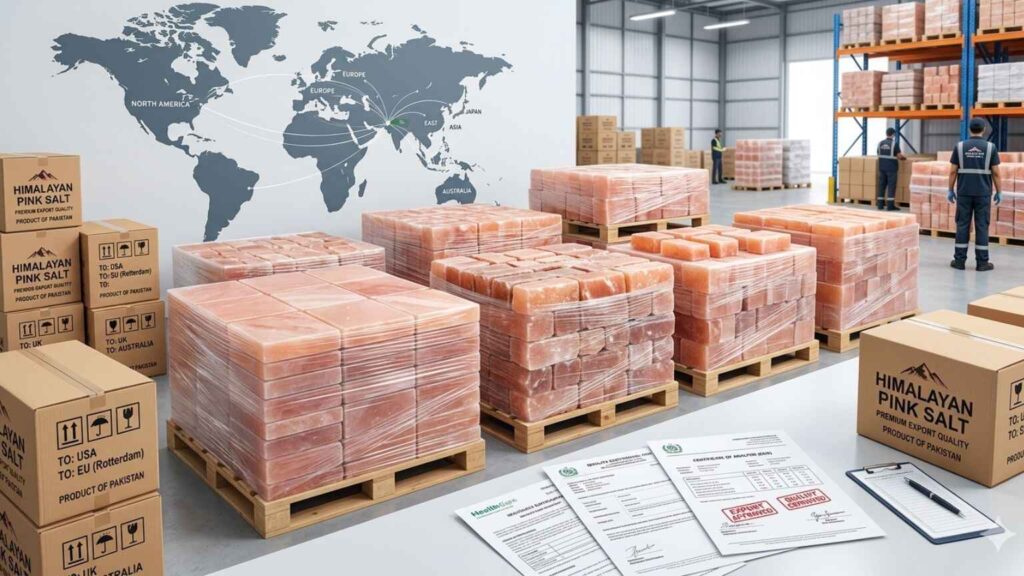
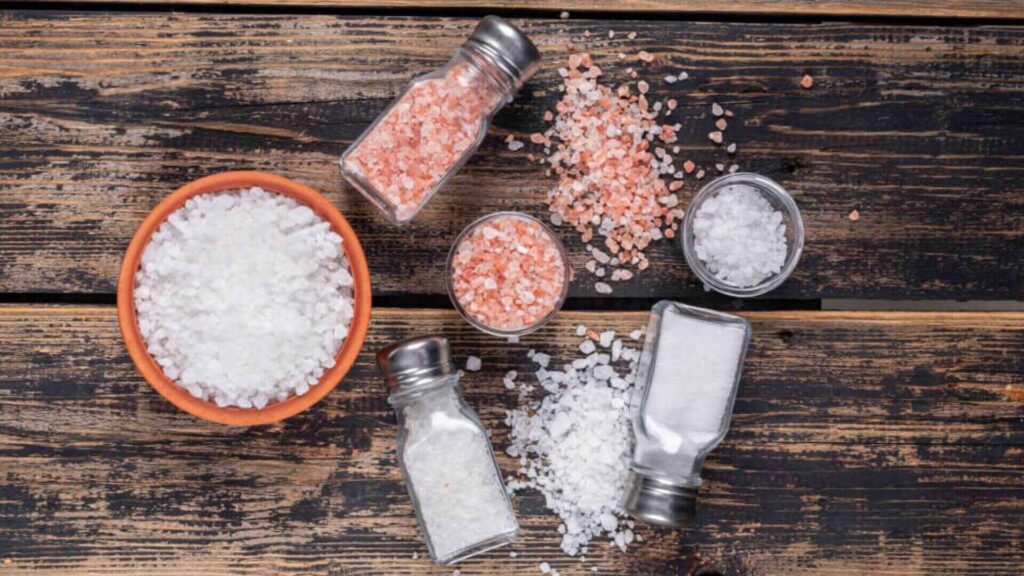
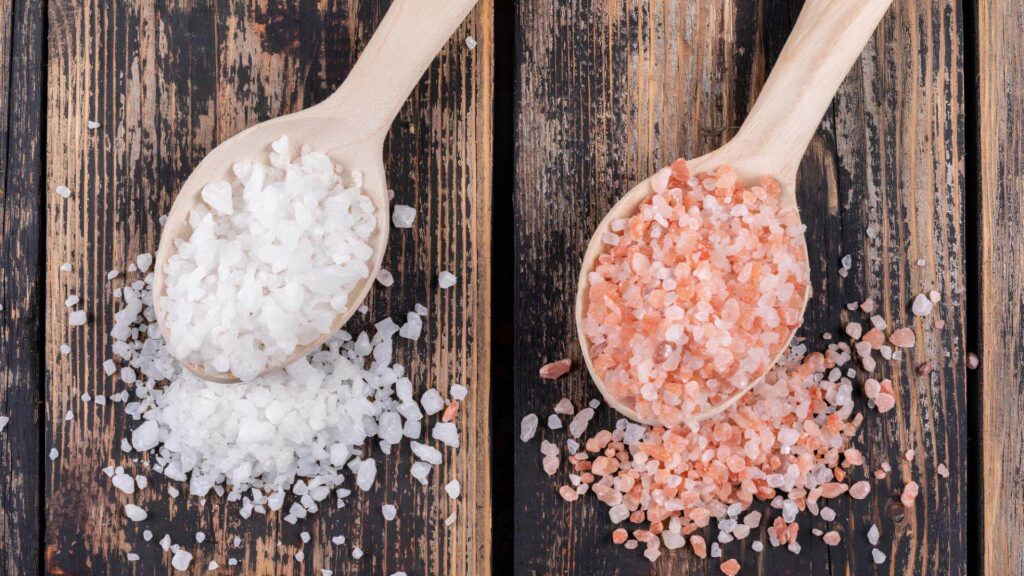
Celtic Sea Salt vs Himalayan Salt: Full Comparison of Taste, Minerals & Uses Key takeaways Celtic sea salt comes from coastal France; Himalayan pink salt is mined from the ancient Khewra Salt Mine in Pakistan, two completely different origins, climates, and extraction methods. Himalayan salt contains up to 84 trace minerals; Celtic salt contains ~34 but neither delivers clinically significant nutrition at normal serving sizes. Celtic salt has ~13% moisture content, making it softer and clumpier; Himalayan salt is dry at just 0.026% moisture, an important difference for processing and packaging. Taste matters for your application: Celtic salt is brinish and ocean-forward; Himalayan is mild and earthy, better for neutral seasoning in food manufacturing. WHO recommends keeping sodium intake below 2,000mg per day for adults this guidance applies to both salts equally. For bulk buyers and product brands: Himalayan pink salt offers consistent year-round supply, certified purity, and broader commercial application at scale. Two salts have dominated health food aisles and wellness conversations for years: Celtic sea salt and Himalayan pink salt. Both are unrefined, both carry trace minerals that refined table salt lacks, and both appear in cookbooks and skincare labels alike. But beyond the visual difference grey versus pink real distinctions exist in origin, mineral makeup, texture, taste, and commercial application. This guide breaks them down clearly, so you can make the right choice whether you are cooking at home, formulating a wellness product, or sourcing at scale. Quick Comparison: Celtic Salt vs Himalayan Salt at a Glance Before diving into the details, here is a side-by-side snapshot of where these two salts stand: Celtic Sea Salt Himalayan Pink Salt Origin Brittany, France (coastal tidal ponds) Khewra Salt Mine, Punjab, Pakistan Colour Light grey to off-white Pink to deep rose Texture Moist, coarse, slightly clumpy Dry, firm, granular Moisture Content ~13% ~0.026% NaCl Content ~33% sodium / ~50.9% chloride ≥97–98% sodium chloride Trace Minerals ~34 trace minerals Up to 84 trace minerals Notable Minerals High magnesium & calcium High iron, potassium Taste Briny, ocean-forward, complex Earthy, mild, neutral Best Use Finishing, cooking, brining, bath salts Cooking, grinding, grilling, wellness, bulk Supply Scale Artisanal, regional, seasonal Year-round, industrial-scale, certified bulk Origin: Where Does Each Salt Come From? 1. Celtic Sea Salt Celtic sea salt known in French as sel gris (grey salt) is harvested from shallow tidal ponds along the coast of Brittany, France. Seawater is channelled into flat, clay-lined salt beds where sunlight and coastal wind slowly cause evaporation, leaving behind moist grey crystals. This traditional method is over 2,000 years old and has changed very little. The grey colour comes from clay particles and mineral contact during harvesting. 2. Himalayan Pink Salt Himalayan pink salt is mined from the Khewra Salt Mine in Punjab, Pakistan the world’s second largest salt mine, operated by the Pakistan Mineral Development Corporation (PMDC). [4] The deposit is estimated to be over 500 million years old, formed when an ancient inland sea evaporated and was sealed beneath layers of protective rock. This geological isolation is why Himalayan salt is considered exceptionally free from modern environmental pollutants, microplastics, and industrial contaminants. Read More: Rock Salt Vs Sea Salt Did You Know? The Khewra Salt Mine is listed on UNESCO’s Tentative World Heritage List for its geological and cultural significance. [5] At current extraction rates, its remaining reserves are estimated to be large enough to supply global demand for several more centuries, making it one of the most reliably sourced natural minerals on earth. Appearance, Texture and Grain: What You See and Feel Celtic salt displays a soft grey tone and a naturally moist, slightly coarse texture. Its crystals tend to clump because of approximately 13% moisture content. This makes it ideal for applications where fast dissolution is useful for finishing warm dishes, dissolving in liquids, or incorporating into dips and dressings. Himalayan pink salt is dry and firm. Its moisture content sits at approximately 0.026%. [4] The pink-to-deep-rose colouring comes from iron oxide and other trace minerals naturally embedded in the ancient rock deposit. It is available in fine, medium, coarse, and large crystal grades giving food producers and wellness brands more flexibility across different product applications. Mineral Content: What Is Actually Inside Each Salt? Both salts are primarily sodium chloride, which is the chemistry of salt. But both also carry trace minerals absent from standard refined table salt. Himalayan pink salt contains up to 84 trace minerals including iron, potassium, magnesium, calcium, and zinc. Celtic sea salt contains approximately 34 trace minerals, with notably higher concentrations of magnesium and calcium compared to Himalayan salt. The World Health Organization recommends keeping total sodium intake below 2,000mg per day for adults. [2] At that consumption level, the trace mineral amounts in any premium salt are too small to serve as a meaningful dietary source. The real value is what these salts do not contain no additives, no anti-caking agents, no bleaching chemicals present in most refined table salts. [1] For B2B buyers in food manufacturing: the more important number is the NaCl purity percentage on the Certificate of Analysis, not the trace mineral count on the marketing label. Food-grade Himalayan salt from certified Khewra sources consistently achieves ≥97–98% NaCl purity, meeting the international Codex Alimentarius Standard CXS 150-1985 for edible salt. [1] Taste: How Do They Differ in the Kitchen? Celtic salt has a distinctly briny, ocean-forward flavour profile. Its higher moisture content means it dissolves almost instantly on the palate, delivering a soft but complex saltiness with subtle umami depth. It pairs exceptionally well with salads, soups, grilled seafood, roasted vegetables, and artisan bread. Himalayan pink salt has a milder, more neutral flavour earthy rather than briny. Because it does not compete with the ingredients it seasons, it is highly versatile across a wide range of cooking styles. It is the preferred choice for salt grinders, cooking and grilling on salt slabs or blocks, dry rubs, and as an ingredient in flavoured salt blends. For commercial food manufacturers, its neutral flavour profile
Celtic Sea Salt vs Himalayan Salt: A Complete Comparison Read More »